
Nordic Business Journal – Energy & Regulation Desk
As Danes flipped on their Christmas lights this November, they were met with a sobering reality: electricity prices surged to their highest monthly average since February. According to data released by Andel Energi, Danish households paid an average of 72 øre per kilowatt-hour (kWh) in November—significantly lower than February’s peak of 88 øre/kWh, but still the costliest month in nearly ten months.
The seasonal uptick is hardly surprising, but this year’s spike has been exacerbated by a rare meteorological phenomenon known as dunkelflaute—extended periods of simultaneous low wind and solar generation. “We’re now deep into the high-demand season,” explains Josefine Walter, Commercial Director at Andel Energi. “Coupled with prolonged lulls in renewable output, that’s created an unusually tight supply situation.”
The pressure isn’t confined to Denmark. Across the Øresund, Sweden is grappling with its own energy affordability crisis—though driven less by volatile wholesale markets and more by structural issues in grid regulation.
Swedish Grid Fees Under Scrutiny
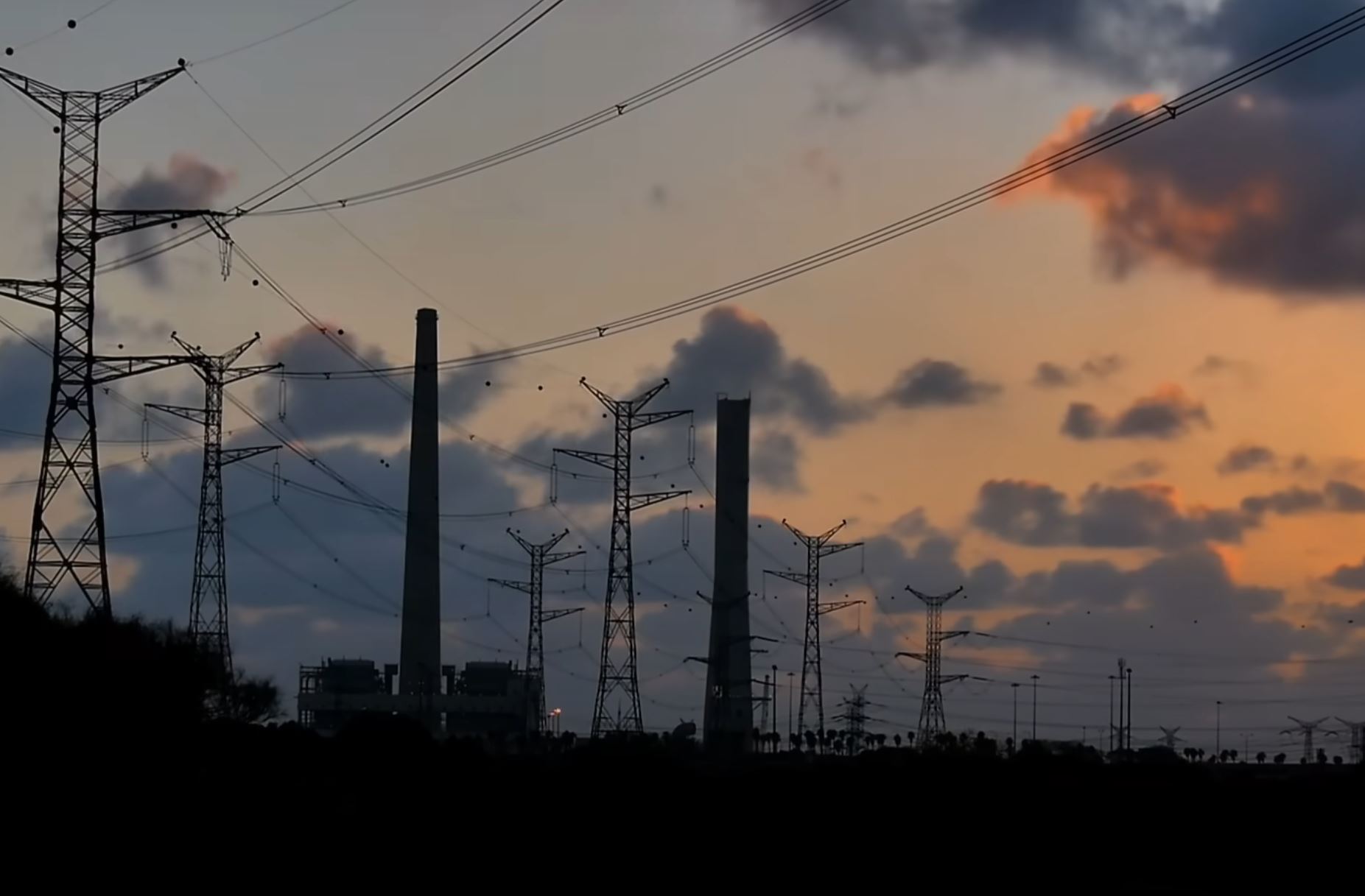
Electricity network companies in Sweden—including state-owned utility Vattenfall—have announced steep hikes in grid fees for the coming winter months. Vattenfall alone plans a 14% increase, following a decade in which network tariffs (which constitute roughly one-third of a household’s total electricity bill) have risen by an average of 57%, according to the Energy Market Inspectorate (Energimarknadsinspektionen, EI).
Tommy Johansson, Head of the Energy Systems Department at EI, argues these increases are not merely about infrastructure: “Historically, grid companies have been overcompensated—charging more than justified by actual investment or operational costs.” The problem, he says, lies in the regulatory framework that sets revenue caps for network operators four years in advance.
For the current regulatory period (2024–2027), those revenue frameworks have been set up to 40% higher than in the previous cycle—creating what Johansson describes as “ample room for unjustified fee hikes under the guise of future-proofing.”
Reform on the Horizon—But Challenges Remain
In response, the Swedish Riksdag recently approved a significant overhaul of the regulatory model for the 2028–2031 period. The new rules impose stricter cost controls and demand greater transparency in how grid companies justify investments. Industry backlash has been swift, with several major operators warning the changes could stifle needed upgrades.
Yet Johansson insists the reforms are overdue. “Electrification is accelerating—electric vehicles, heat pumps, industrial decarbonization—all demanding a more robust grid. But regulation must ensure that today’s consumers aren’t footing the bill for investments that won’t materialize for years.”
Still, even under tighter rules, grid fees are expected to rise. “The scale of required investment is real,” Johansson concedes. “But past overcompensation shows why we must get the balance right.”
A Nordic Crossroads
The parallel challenges in Denmark and Sweden underscore a broader tension across the Nordic energy transition: how to fund critical infrastructure without burdening households during a period of economic sensitivity.
In Denmark, prices remain tied closely to real-time market dynamics and weather-dependent renewables. In Sweden, the issue is more institutional—rooted in monopoly pricing power and regulatory lag. Both countries, however, face the same imperative: ensuring that the shift to a fully electrified, decarbonised economy remains both technically viable and socially equitable.
As Nordic policymakers navigate this complex terrain, consumers are left watching their meters—and their bills—with growing concern.
About the Author:
This analysis was prepared by the Nordic Business Journal’s Energy & Regulation Desk, drawing on official data from Andel Energi, the Swedish Energy Market Inspectorate, and market intelligence from Nord Pool.
Additional Reporting:
– Average November 2025 Nordic electricity spot price: DKK 0.72/kWh
– Swedish grid fee increases (2015–2025): +57% (EI)
– Vattenfall’s announced 2026 grid fee hike: +14%
– Regulatory period 2028–2031: New framework to cap returns at 4.5% real rate of return, down from previous allowances.