
Opinion & Analysis | November 29, 2025
In a move that has sent shockwaves across European capitals, the Trump administration is reportedly preparing to recognise Russia’s annexation of Crimea and other occupied Ukrainian territories as part of a controversial peace plan to end the war in Ukraine. But beneath the surface of this diplomatic bombshell lies a more speculative—and potentially explosive—quid pro quo: Russian support for a future U.S. takeover of Greenland.
Experts warn that this transactional diplomacy could redraw not just borders, but the very rules of international order.
A 28-Point Plan That Shrunk—and Still Stings
The original U.S. peace proposal, a 28-point document drafted by Trump envoy Steve Witkoff and presidential son-in-law Jared Kushner after talks in Moscow, offered de facto U.S. recognition of Crimea, Donetsk, and Luhansk as Russian territory. It also suggested freezing the frontlines in Kherson and Zaporizhzhia, effectively legitimizing Russia’s land grabs without Ukraine’s consent.
After fierce backlash from Kyiv and European allies, the plan was trimmed to 19 points in emergency talks held in Geneva. Yet, sources confirm that American offers of territorial recognition remain on the table—even as Ukrainian President Volodymyr Zelenskyy insists that no Ukrainian leader can constitutionally cede territory without a national referendum.
Fredrik Wesslau, a researcher at the Swedish Institute for International Affairs, called the proposal “extremely negative for Ukraine, Europe, and the whole world,” arguing that it undermines the principle that borders cannot be changed by force.
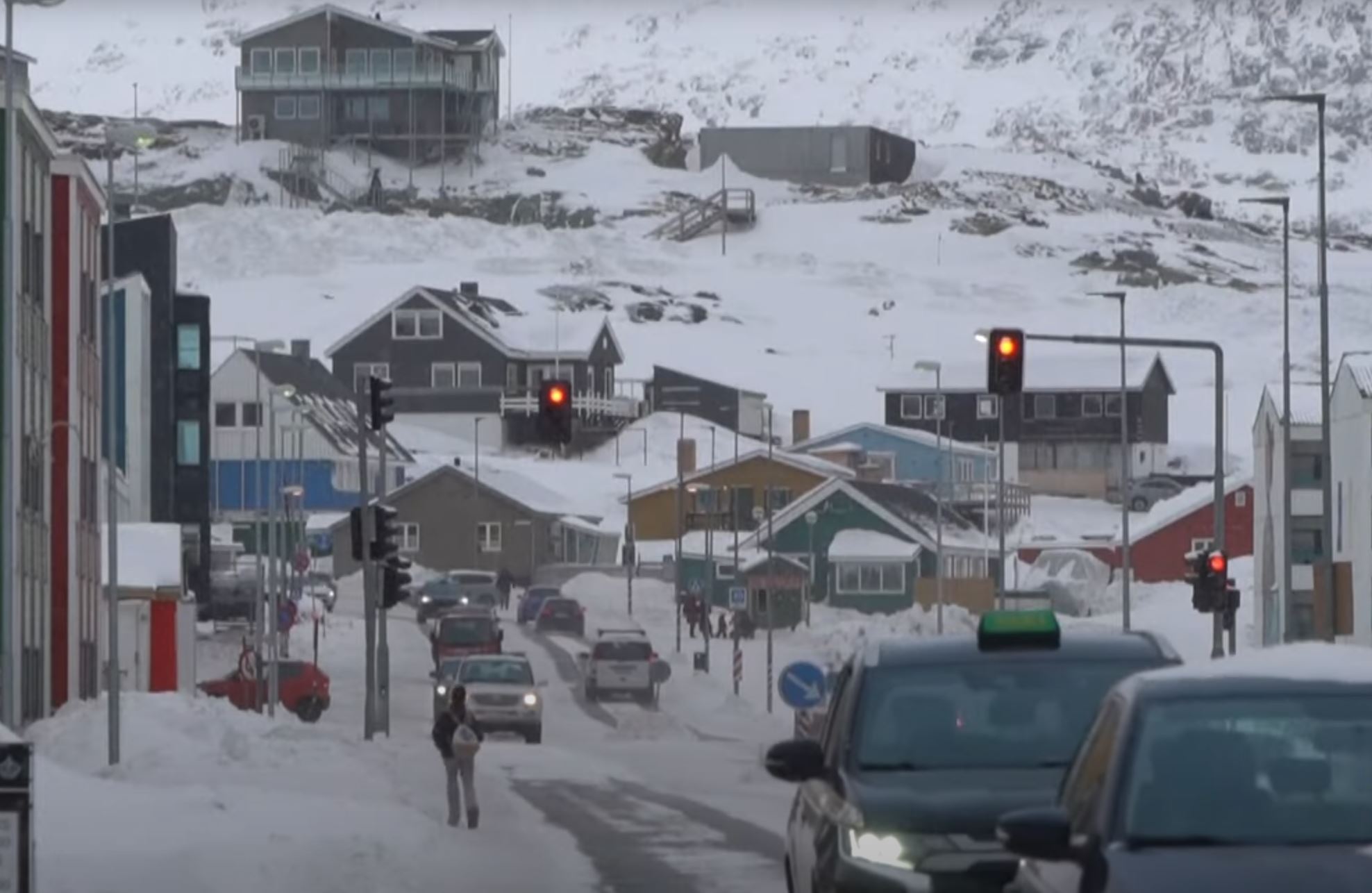
Enter Greenland: The Arctic Trump Card?
But here’s the twist: some experts now suggest that Trump’s willingness to legitimise Russia’s conquests may not be purely about peace in Ukraine. Rather, it could be part of a broader, more cynical geopolitical trade-off—Moscow’s tacit backing for Trump’s long-standing interest in acquiring Greenland.
Though no official confirmation exists, the timing is suspicious. Trump has repeatedly floated the idea of the U.S. purchasing Greenland, a semi-autonomous territory of Denmark, citing strategic and economic interests. Now, analysts fear that Russia’s silence—or even support—on the Greenland issue could be part of an informal understanding between Trump and Putin.
“It’s not unthinkable,” says one Nordic security analyst. “If the U.S. gives Russia what it wants in Ukraine, Moscow might return the favour by staying quiet—or even endorsing—American ambitions in the Arctic.”
A Dangerous Precedent
Such a deal, even if implicit, would be deeply destabilising. Recognizing Crimea as Russian not only rewards aggression but sets a precedent for other revisionist powers, notably China, to pursue territorial claims by force. It also fractures NATO unity, as European allies reject any peace deal that sacrifices Ukraine’s sovereignty.
Moreover, Greenland’s strategic location—critical for Arctic defence, satellite operations, and rare earth minerals—makes it a geopolitical jewel. Any move by the U.S. to assert control over it, especially with Russian backing, could ignite a new Cold War-style standoff with Denmark and the EU.
Conclusion: A Transaction Too Far?
The Trump administration’s peace plan may be marketed as a pragmatic end to a brutal war. But if it comes at the cost of legitimizing land grabs and greenlighting Arctic expansionism, the world may be witnessing not diplomacy—but a geopolitical fire sale.
And in that scenario, Ukraine may not be the only loser. The entire rules-based international order could be up for auction.
By Nordic Business Journal Editorial Team | November 29, 2025