
In a move that has ignited fierce debate both domestically and internationally, the Swedish government has announced the termination of bilateral development aid to five long-standing partner countries: Zimbabwe, Tanzania, Mozambique, Liberia, and Bolivia. The decision, part of a broader realignment of Sweden’s development assistance priorities, is expected to free up over 2 billion SEK (approximately $212 million) over the next two years—funds the government plans to redirect primarily toward Ukraine’s reconstruction, with a focus on energy infrastructure, in 2026.
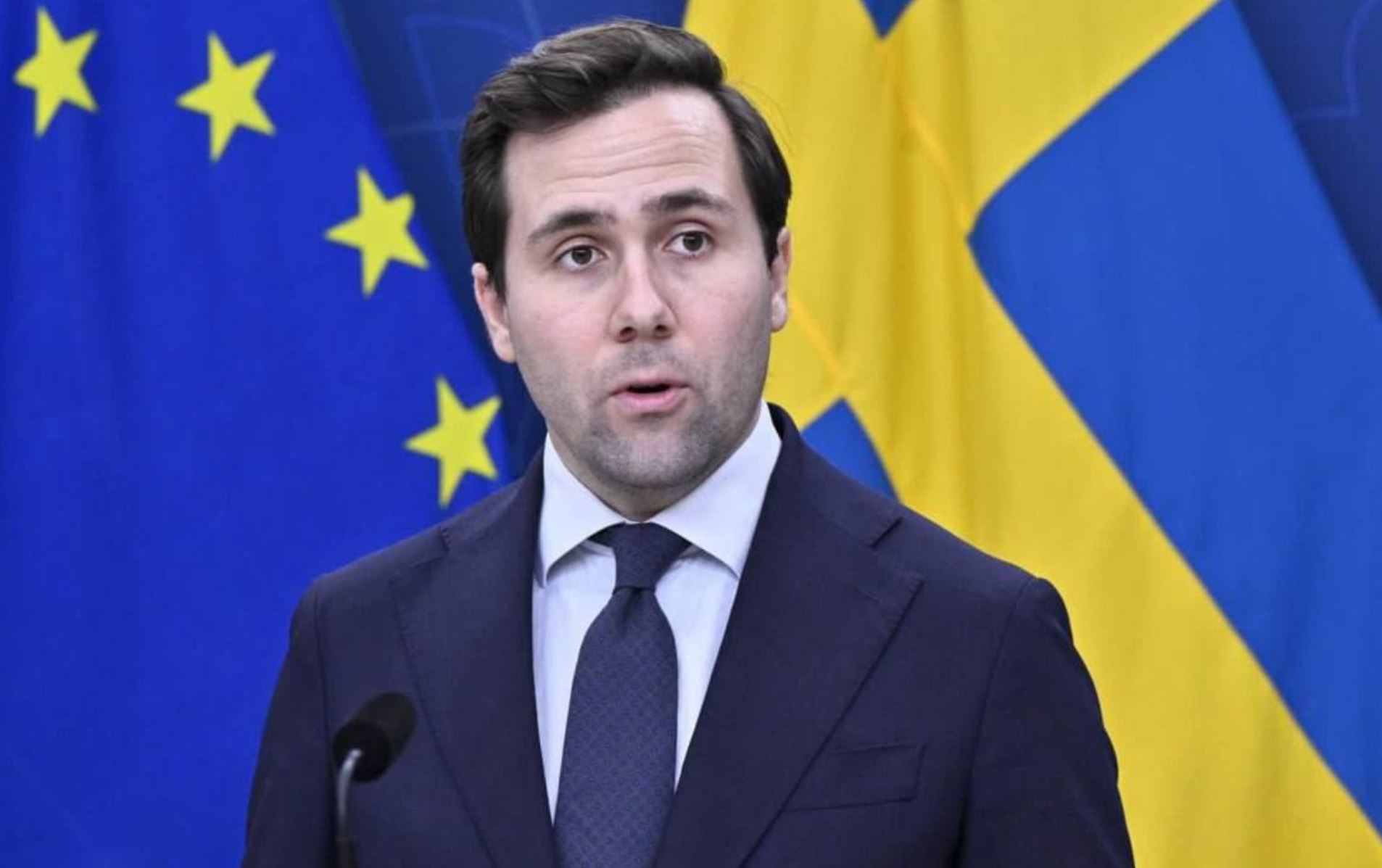
Aid Minister Benjamin Dousa has defended the shift as a necessary recalibration: “The money has to come from somewhere,” he stated, arguing that consolidating Sweden’s aid portfolio will enhance oversight, efficiency, and impact per krona spent.
However, critics—from global NGOs to academic researchers—contend that this is not reform but retrenchment. They warn that Sweden is abandoning its historic role as a principled humanitarian leader and jeopardizing decades of development progress in some of the world’s most vulnerable regions.
A Fractured Consensus: Voices of Concern
The backlash has been swift and substantive:
Diakonia, one of Sweden’s largest faith-based development organisations, declared that “the aid system as we know, it has been not reformed as much as dismantled.” The organisation cautioned that critical programs in health, education, and civil society risk abrupt termination—with potentially irreversible consequences for communities long dependent on Swedish support.
Swedish development researchers have pointed out that this decision compounds earlier budget cuts, which reduced the official development assistance (ODA) envelope from 56 billion to 53 billion SEK for the 2026–2028 period. According to scholars at the Stockholm Environment Institute and Uppsala University, these reductions have already “undermined decades of partnership-building” with Global South institutions and weakened Sweden’s credibility as a science and development funder.
Country-level impacts are particularly stark:
- Tanzania, which has received over 70 billion SEK in Swedish aid since 1962, may see the closure of maternal health clinics and governance programs. A 2016 Swedish evaluation noted marginal poverty reduction from aid there—and even suggested it may have disincentivized domestic reform in certain periods.
- Mozambique, Liberia, and Zimbabwe now face sudden loss of one of their most reliable bilateral donors. In Mozambique, where Swedish support helped rebuild post-civil war infrastructure, unfinished water and sanitation projects could stall. In Zimbabwe, Swedish-funded civic education initiatives may vanish, weakening local accountability mechanisms.
- Bolivia, though less prominent in Sweden’s aid portfolio, loses support for indigenous rights and sustainable agriculture—sectors where Swedish engagement had been both niche and high-impact.
Driving Forces Behind the Shift
Three interlinked factors explain Sweden’s pivot:
- Ukraine as the New Priority: The government has explicitly designated Ukraine as its “most important foreign-policy and aid-policy priority.” By 2026, Sweden aims to channel at least 10 billion SEK into Ukraine’s reconstruction—particularly grid resilience and clean energy infrastructure—reflecting both geopolitical alignment with the EU and NATO, and a humanitarian response to wartime devastation.
- Domestic Fiscal Pressures: Part of the savings from aid cuts will be redirected to cover rising costs related to migration management, including programs to facilitate the return of rejected asylum seekers—a key demand of the Sweden Democrats, whose support underpins the current right-wing coalition government.
- Ideological Realignment: Since the conservative coalition (including the Sweden Democrats) came to power in 2022, Sweden has terminated aid to over ten countries. Increasingly, development assistance is being tied to migration cooperation, with recipient nations expected to accept the return of their nationals denied asylum in Sweden—a controversial conditionality that departs sharply from Sweden’s traditionally values-based aid framework.
Beyond the Cuts: What’s Lost—and What Could Be Gained?
While the Swedish government frames its approach as “strategic concentration,” experts argue that abrupt, uncoordinated exits from fragile states can do more harm than good. Sudden funding withdrawals risk:
- Service collapse: Health clinics, teacher training programs, and anti-corruption watchdogs often rely on predictable multi-year funding.
- Erosion of trust: Long-term partners may view Sweden as an unreliable ally, undermining future cooperation on climate, trade, or security.
- Strategic vacuum: Other donors may not fill the gap—especially in politically complex or low-profile countries like Liberia or Bolivia.
However, a nuanced perspective also reveals potential opportunities—if managed responsibly.
For developing countries themselves, a forced reduction in aid dependency could, in theory, accelerate domestic resource mobilisation and governance reforms. Countries like Rwanda and Ethiopia have shown that strategic transitions from aid can catalyse local innovation and fiscal accountability—but only when exits are gradual, transparent, and paired with technical support.
Moreover, redirecting funds to Ukraine’s green reconstruction aligns with Sweden’s climate leadership goals. Investing in decentralised, renewable energy infrastructure in Ukraine not only aids recovery but also supports Europe’s broader energy security and decarbonisation agenda.
Still, development economists caution that aid reallocation should not come at the expense of the world’s poorest. The UN estimates that low-income countries will need $500 billion annually by 2030 to meet basic development goals. In this context, Sweden’s cuts—however modest in global terms—signal a troubling trend: the securitisation and politicisation of aid, where humanitarian principles yield to domestic politics and geopolitical strategy.
Looking Ahead: Can Sweden Rebalance?
Sweden once prided itself on being a “humanitarian superpower”—a small nation wielding outsized moral influence through consistent, principled development cooperation. Today, that identity is at a crossroads.
To mitigate damage, experts recommend:
- Phased transitions with clear timelines and co-developed exit strategies in affected countries.
- Multilateral redirection: Channelling some funds through trusted agencies (e.g., WHO, UNICEF) to maintain presence in phased-out countries.
- Transparent metrics: Publicly defining what “impact per krona” means—and ensuring it includes long-term resilience, not just short-term cost savings.
The world is watching. If Sweden can couple its support for Ukraine with renewed commitments to global equity—rather than zero-sum trade-offs—it may yet reclaim its legacy. But if aid becomes merely a tool of migration control or geopolitical signalling, the cost will be measured not just in kronor, but in lost trust, stalled development, and a diminished moral voice on the global stage.
© Nordic Business Journal, 2025. All rights reserved.