
European plastics recyclers have been warning for years that the continent’s circular-economy ambitions risk colliding with hard market realities. This winter, the warning is turning into an industrial shakeout — and the European Commission is now proposing a package of measures designed to keep Europe’s recycling capacity alive while tightening controls on imported plastics that may be undercutting the system.
Why Europe’s recyclers are under pressure
Europe’s plastic recycling industry is being squeezed from three directions:
- Cheaper virgin plastic imports — particularly from Asia — are making it difficult for recycled polymers to compete on price. Reuters and other outlets report growing concern that imports labelled as “recycled” may in some cases be misclassified, worsening the competitive imbalance for EU-based recyclers.
- Weak demand for recyclate — even when brands pledge recycled content, procurement often still favours price, especially during downturns. The Financial Times describes a cycle where recyclers lose buyers precisely when they need stable contracts to justify investment.
- High energy costs and regulatory fragmentation — recycling is energy-intensive, and Europe’s patchwork of interpretations about when waste becomes a product adds compliance cost and slows cross-border flows.
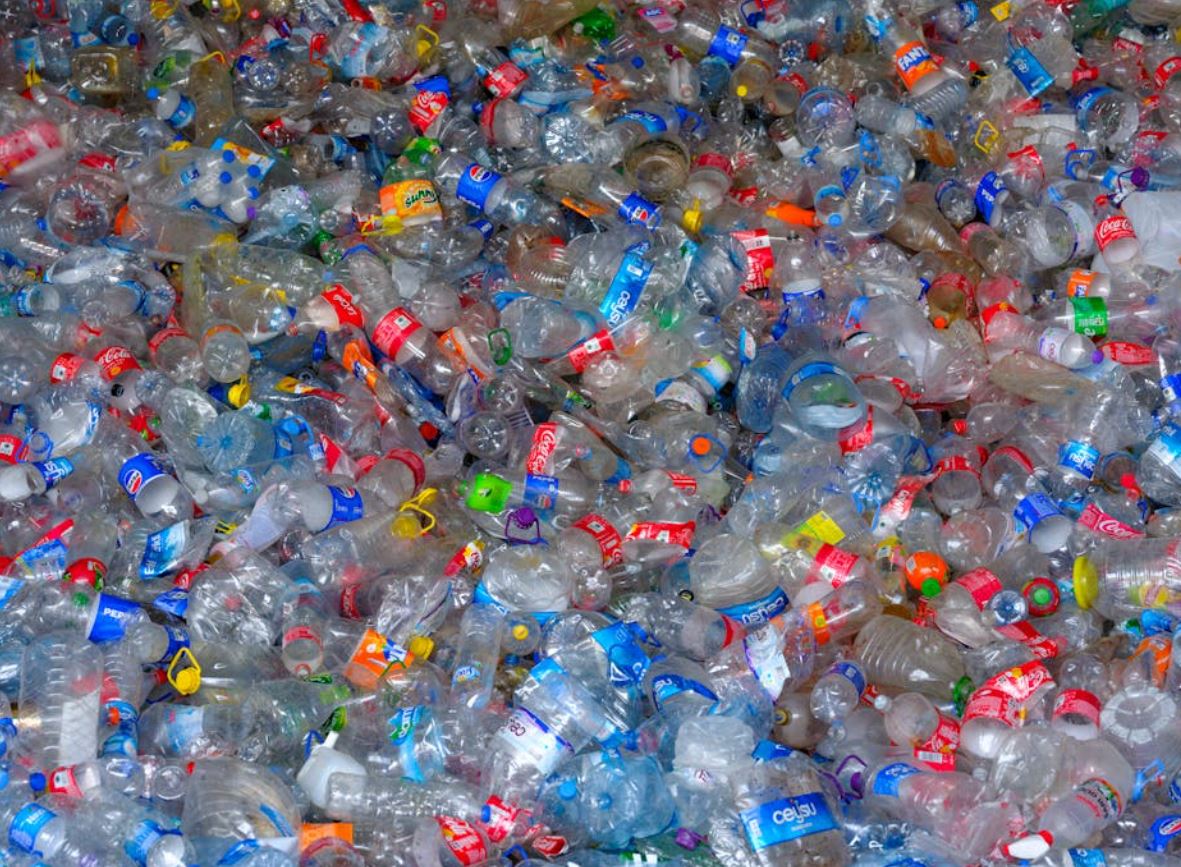
The result: closures. The FT reports roughly one million tonnes of recycling capacity has been shut down across the EU, an amount comparable to France’s annual output, with a notable cluster of shutdowns in the Netherlands.
What the EU is proposing — and why it matters
The Commission’s new proposals aim to stop the erosion of Europe’s recycling base by tackling both market fairness and regulatory uncertainty.
1) Tougher checks on plastic imports (especially “recycled” claims)
The Commission wants stricter documentation requirements for imported plastics — with the explicit aim of preventing virgin material being sold into the EU as recycled. Reuters reports that the EU is also considering audits of recycling facilities inside and outside Europe, plus laboratory support to verify authenticity.
A particularly important technical change is also being discussed: the introduction of separate customs codes for virgin vs. recycled plastics, making trade flows easier to monitor and enforce.
Nordic lens: For Nordic recyclers and packaging firms — typically operating to higher traceability and quality standards — this is potentially positive. If enforcement improves, it narrows the “integrity gap” that penalises companies doing the right thing.
2) Harmonising rules across the EU to reduce bureaucracy
A recurring industry complaint is that inconsistent interpretation of “end-of-waste” criteria makes it harder to treat recycled polymers as a cross-border commodity. The Commission is moving toward more standardised criteria and clearer definitions so recyclate can move more freely within the internal market.
Why that matters: Recycling is a scale business. Fragmentation keeps operations smaller, more expensive, and less investable.
3) Chemical recycling gets a clearer place in the rulebook
The Commission is signalling increased support and regulatory clarity for chemical recycling, including how chemically recycled content can count toward recycled-content targets. This follows Commission consultation work on how to calculate and verify chemically recycled content, including for beverage bottles under the Single-Use Plastics framework.
The trade-off: Chemical recycling can help tackle hard-to-recycle plastic streams, but it can be energy-intensive, and climate impact depends heavily on the energy source and whether outputs are truly circular (not burned as fuel). For Nordic countries with comparatively cleaner electricity grids, chemical recycling may have a better emissions profile than in regions relying on fossil-heavy power — but the economics must still work.
The deeper issue: a price system that rewards the wrong thing
Even with better enforcement, the EU faces a structural problem: virgin plastic remains cheaper than recycled plastic too often, because the market does not fully price pollution, carbon, or waste.
If policymakers want recycled plastics to win, Brussels will likely need more than border checks and harmonisation. The missing “third leg” is a demand stabiliser — something that makes recycled content non-optional in more product categories, more consistently enforced, and more predictable for investors.
This debate is already underway in policy circles and industry groups: some argue for mandatory recycled-content requirements, stronger Extended Producer Responsibility (EPR) systems, or tighter eco-design rules to make recycling easier and higher quality.
Where Nordic business leaders should pay attention
Here are the key signals Nordic executives, investors, and sustainability leads should watch over the next 6–12 months:
- Verification + customs differentiation: If the EU successfully implements distinct customs codes and stronger documentation rules, Nordic recyclate may become more competitive against questionable imports.
- Chemical recycling accounting rules: The exact methodology for counting chemically recycled content (and what is excluded) will shape capital allocation and partnership strategy.
- Capacity attrition: Closures are not only an industry problem — they risk becoming a strategic vulnerability. Europe’s circular economy depends on domestic recycling infrastructure; once plants shut, restarting them is slow and expensive.
A timely update: the consultation window and what’s changed since the original reporting
The Commission’s work is unfolding in a broader tightening of plastics governance that began with the EU Plastics Strategy and continues through the circular economy agenda.
As of December 2025, the political tone has sharpened: Brussels is explicitly discussing monitoring, audits, documentation requirements, and a customs framework that differentiates virgin and recycled plastics — a notable escalation compared to earlier, more voluntary market-shaping approaches.
What this means in one sentence
Europe is moving from “encouraging recycling” to “defending recycling” — using trade oversight, standardisation, and rule clarity to stop the market from collapsing under cheap imports and weak demand.
Footer — Next article direction + connect with us
Follow-up idea for Nordic Business Journal:
“Can Nordic industry turn recycled plastic into a strategic advantage?”
A strong next piece would investigate
(1) Nordic recyclers and chemical recycling pilots,
(2) which sectors can lock in long-term offtake agreements for recyclate (packaging, construction, automotive), and
(3) how upcoming EU customs codes and verification rules could reshape investment and competitiveness in the Nordics.
Stay connected:
If you work in circular materials, packaging, industrial policy, or sustainable finance, we’d like to hear from you. Share insights, case studies, or data with Nordic Business Journal — and follow us for the next instalment on how Europe’s plastics market is being rewritten.