
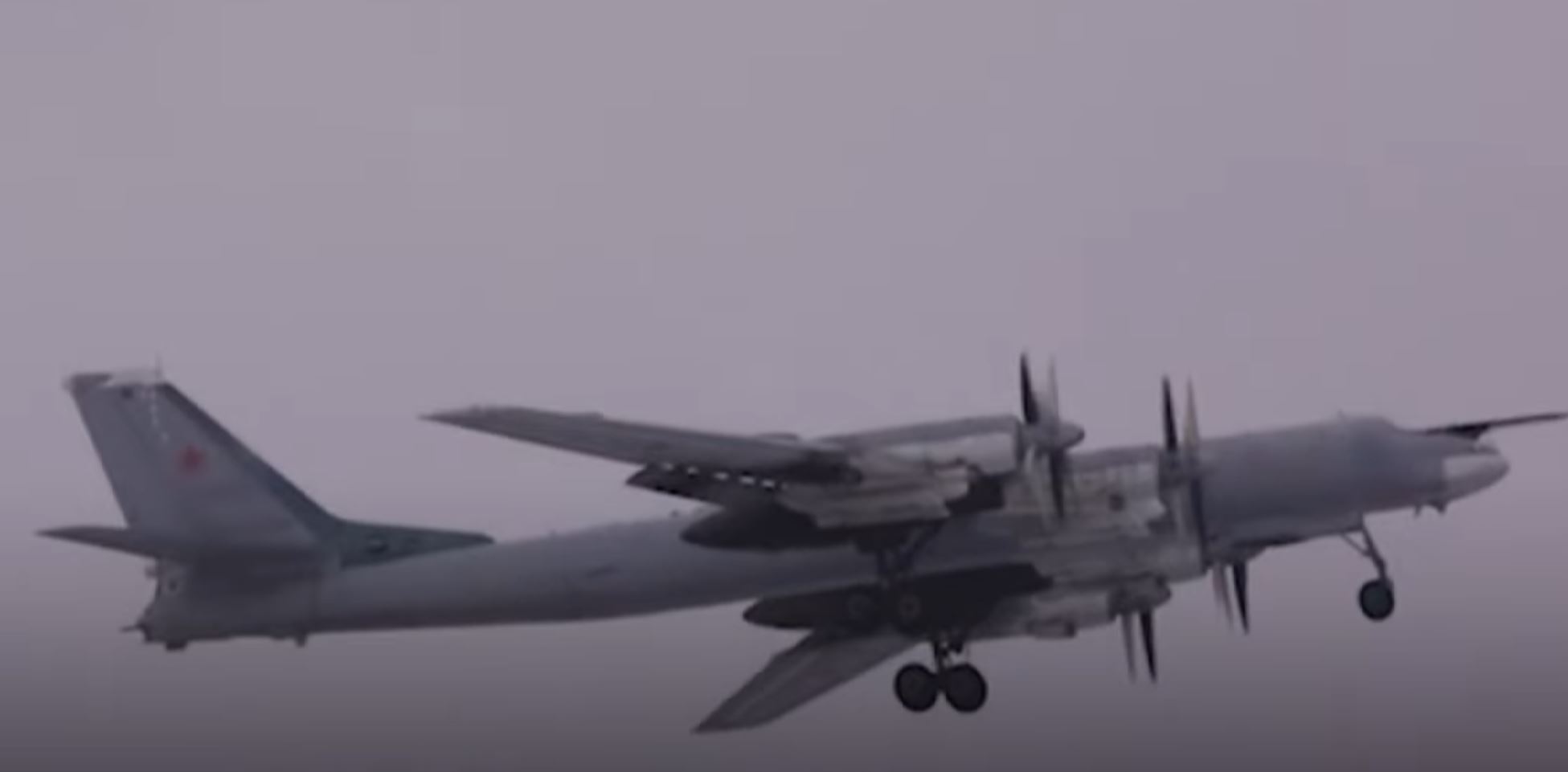
In a recent statement, the Russian Ministry of Defence confirmed that its strategic bombers, capable of carrying nuclear weapons, conducted a flight over the Barents Sea and the Norwegian Sea. While the exact date of the flight remains undisclosed, the move has prompted significant attention, particularly given the increasingly tense security environment in the Arctic and the wider Nordic region.
A Message of Power in Neutral Waters
The bombers, flying in neutral waters off the Scandinavian Peninsula, were reportedly escorted by foreign fighter jets during their journey. The presence of these jets, likely from NATO or other regional powers, indicates the heightened level of scrutiny and military readiness in the region. Although Russia did not provide specific details about the intercepting forces, the operation serves as a reminder of the ongoing militarization of the Arctic and its strategic importance.
Escalating Tensions in the Arctic and Nordic Waters
While such bomber flights are not entirely unprecedented, they have become more frequent as the geopolitical landscape shifts in response to increasing military posturing from Russia and NATO. The Barents and Norwegian Seas, located near the Russian border and essential Arctic shipping routes, have become key flashpoints. The region’s significance is growing, with both military and economic interests coming into sharper focus, especially as Arctic Sea routes become more navigable due to climate change.
This latest development underlines the broader context of escalating tensions in the Arctic. Countries with interests in the region, including Russia, the United States, Canada, and Nordic nations, have been increasing their military capabilities. In recent years, NATO has conducted more frequent exercises in the region, while Russia continues to modernise its Arctic military infrastructure, including airbases and missile defence systems. The result is a growing atmosphere of uncertainty, where every military manoeuvre in these sensitive zones can quickly become a matter of strategic calculation.
Strategic Analysis: What Does This Mean for the Nordic Countries?
For Nordic countries, such as Norway and Finland, this situation requires careful navigation. These nations, while maintaining close ties with NATO, must balance their regional security concerns with their relationships with Russia. Norway, in particular, shares a border with Russia and hosts key NATO military facilities, which may make it a primary target in any broader regional conflict.
However, despite these tensions, Nordic countries continue to emphasize diplomacy, particularly in managing their relationship with Russia. Norway’s approach, for example, remains one of strategic deterrence, working closely with NATO allies while also engaging with Russia in areas such as border security and regional cooperation on Arctic issues.
Finland, which has been increasingly aligned with NATO in recent years, faces similar challenges as it seeks to balance military deterrence with a focus on regional stability. The recent increase in Russian bomber flights could prompt a reassessment of defence priorities in Finland, as well as other Scandinavian nations.
The Role of the Arctic in Future Geopolitical Conflicts
Looking ahead, the Arctic’s growing geopolitical significance is likely to intensify. As the ice melts and new shipping routes open, the potential for conflict or increased military presence is undeniable. The region is also home to significant untapped natural resources, including oil and gas, which are becoming more accessible with rising temperatures. This has spurred increased interest from both state and non-state actors in securing access to the Arctic’s wealth.
In this context, the flight of Russian bombers is just one indicator of the broader strategic environment in the Arctic. Nordic countries, while prioritizing peaceful diplomacy, must continue to enhance their defence capabilities to ensure the security of the region against a backdrop of increasing military activity. Furthermore, these nations will need to work together to address the emerging threats while also fostering stronger multilateral dialogue with both Russia and NATO to mitigate risks and prevent escalation.
Next Steps: Monitoring the Arctic’s Growing Importance
As the geopolitical landscape in the Arctic evolves, the next steps for Nordic countries should include reinforcing cooperative frameworks within the Arctic Council, enhancing regional security mechanisms, and ensuring that any future military exercises do not escalate into conflict. Strengthening defence cooperation with NATO, while fostering dialogues with Russia on common regional interests, will be essential for maintaining stability in the face of an increasingly militarised Arctic.
For our next issue, we will delve deeper into the role of NATO in the Arctic and examine how Nordic countries are preparing for potential new challenges in this high-stakes region. We invite our readers to stay connected with us for further updates on this topic and others related to regional security.
Stay Informed, Stay Connected
To continue this conversation and stay updated on the latest developments in Nordic security and geopolitics, be sure to connect with us through our social media channels and subscribe to the Nordic Business Journal. Together, we can navigate the complexities of the Arctic’s evolving security dynamics.