
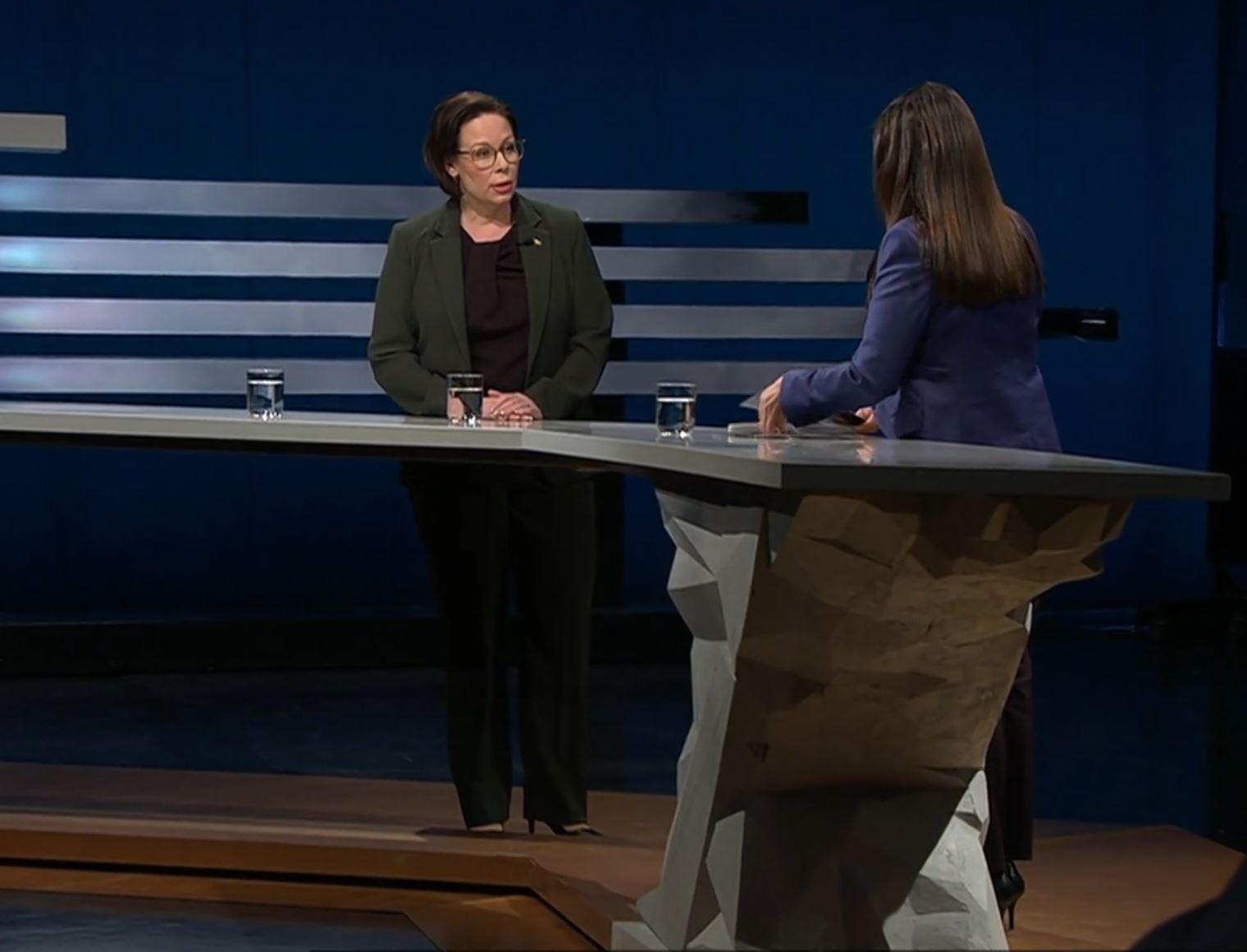
In a sharp diplomatic rebuke that signals a recalibration of Nordic foreign policy, Sweden’s Foreign Minister Maria Malmer Stenergard has openly criticised recent U.S. actions—particularly those echoing the Trump-era rhetoric around Venezuela and, more alarmingly, Greenland—as incompatible with the foundational norms of international law.
Speaking to Sveriges Radio (SR) on Wednesday, Minister Stenergard did not mince words:
“I do not want to live in a world where there are great powers that do as they please. That is why it’s important for Sweden to stand up for international law at this very critical stage.”
Her remarks come amid renewed geopolitical unease following former U.S. President Donald Trump’s resurfaced 2024 comments—reiterated in late 2025 during his campaign rallies—that the United States should “seriously consider” acquiring Greenland. Though Trump is no longer in office, his influence over segments of U.S. foreign policy discourse remains potent, and his statements have reignited Nordic anxieties about American exceptionalism spilling into Arctic sovereignty.
Denmark Convenes Emergency Talks—Arctic Security Now a Top Priority
The Danish government responded with urgency. On January 5, 2026, Denmark’s Foreign Policy Committee held a closed-door crisis meeting—described by Ritzau as being on “extraordinary grounds”—to assess the implications of U.S. posturing toward Greenland. Foreign Minister Lars Løkke Rasmussen and Defence Minister Troels Lund Poulsen were among those present in a high-security chamber where even coffee cups were barred, underscoring the sensitivity of the discussion.
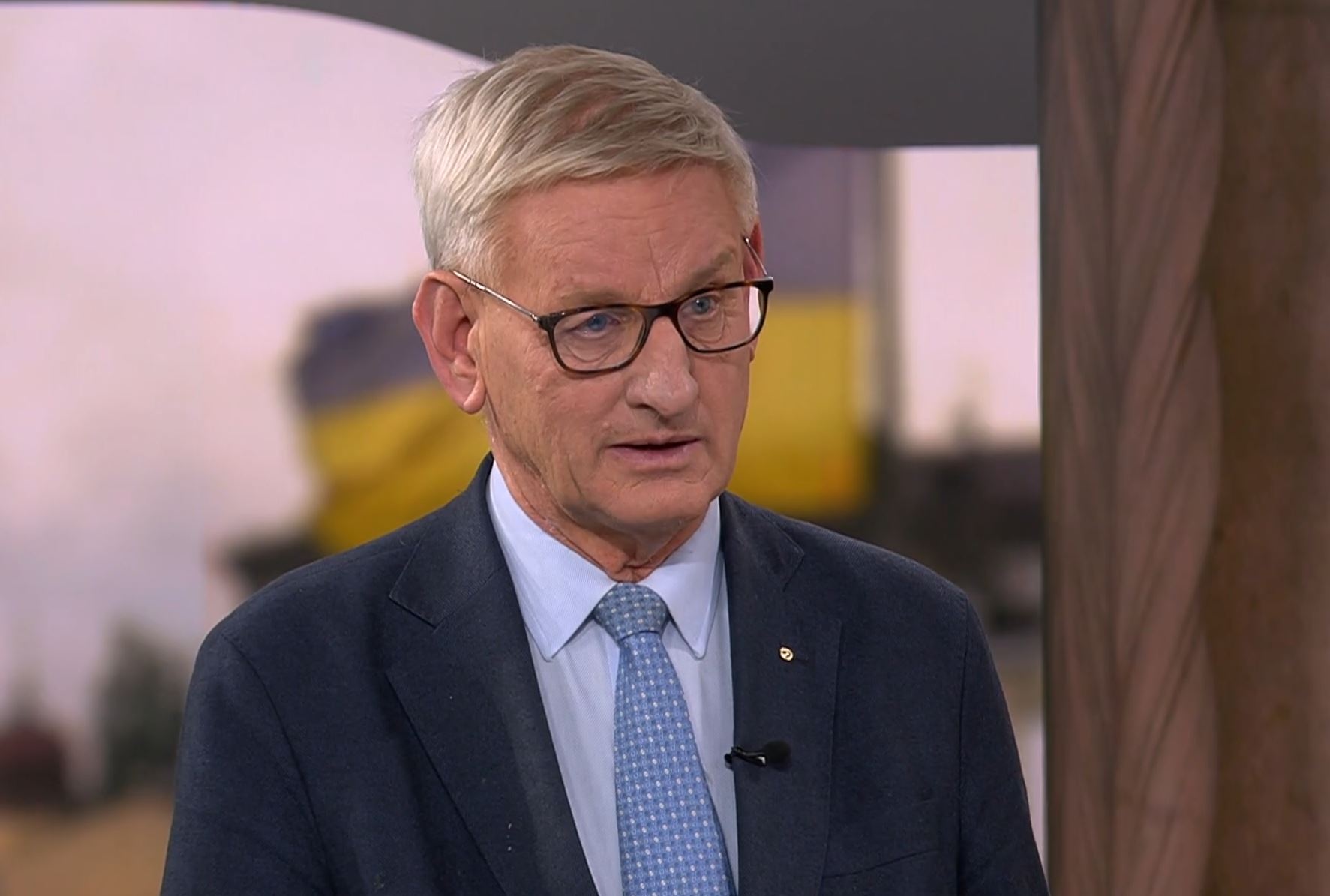
Veteran diplomat and former Prime Minister Carl Bildt issued a stark warning:
“After Venezuela, they are almost intoxicated with their own power… There’s a real risk the U.S. could leverage coercive diplomacy—or worse—against Denmark to pressure a Greenland deal.”
While a military takeover remains unlikely, Bildt emphasized that Washington possesses a full toolkit of economic sanctions, intelligence leverage, and diplomatic pressure—all of which could destabilize Denmark’s position as Greenland’s sovereign partner under the Kingdom of Denmark framework.
European Unity and the Arctic’s New Front Line
In a rare show of transatlantic solidarity, leaders from France, Germany, Italy, Poland, Spain, the UK, and Denmark issued a joint communiqué on January 4 reaffirming that Greenland belongs solely to its people and that any decisions about its future must come from Copenhagen and Nuuk—not Washington.
Critically, the statement also called on NATO—a mutual defence alliance that includes both the U.S. and Denmark—to uphold its commitments under the UN Charter, particularly regarding sovereignty, territorial integrity, and peaceful dispute resolution. This marks a subtle but significant shift: European capitals are no longer assuming that U.S. actions automatically align with alliance values, especially as great-power competition intensifies in the Arctic.
Greenland’s Premier Jens-Frederik Nielsen struck a balanced tone, dismissing Trump’s ambitions as “fantasy,” yet expressing a desire to rebuild pragmatic cooperation with the U.S., particularly on climate monitoring, scientific research, and infrastructure—areas where American investment via the Thule Air Base has long been a cornerstone.
Why This Matters for Nordic Business
For Nordic business leaders, this isn’t just a diplomatic spat—it’s a strategic inflection point. The Arctic is fast becoming a nexus of resource extraction, shipping lanes, and critical mineral supply chains. Greenland alone holds vast reserves of rare earth elements essential for EVs, wind turbines, and defence tech—resources that both the U.S. and EU are racing to secure amid decoupling from Chinese supply chains.
Sweden’s firm stance reflects a broader Nordic strategy: leveraging rule-based order as a competitive advantage. In an era of geopolitical volatility, companies operating in the region benefit from predictable legal frameworks, transparent governance, and stable sovereignty—values Sweden, Denmark, and their allies are now actively defending.
Moreover, as the EU advances its Critical Raw Materials Act and Nordic countries push for “friend-shored” supply chains, maintaining sovereign control over Arctic resources becomes not just a matter of national security—but of economic sovereignty.
Looking Ahead: The Next Frontier in Arctic Geoeconomics
In our next feature, the Nordic Business Journal will examine how Greenland’s 2025 Mineral Strategy is reshaping foreign investment rules—and whether Nordic firms can outmanoeuvre U.S. and Chinese competitors in the race for ethical, sustainable rare earth development.
We invite our readers—particularly executives in energy, mining, logistics, and defence—to connect with our editorial team to share insights on how Arctic policy is affecting your operations. The future of the High North won’t be decided in Washington alone—it will be shaped by those who understand that sovereignty, sustainability, and strategy must go hand in hand.
Got a perspective on Arctic trade, security, or investment? Reach out to us at insights@nordicbusinessjournal.com. Follow us on LinkedIn for our upcoming deep-dive: “Greenland’s Minerals: The Nordic Answer to China’s Rare Earth Dominance?”