
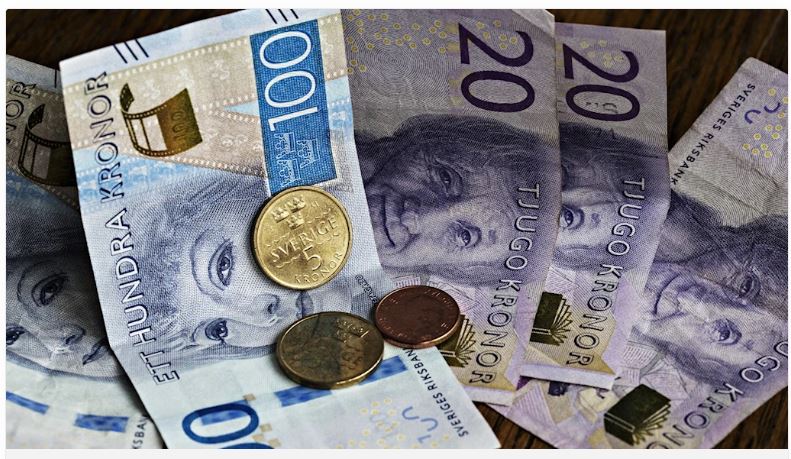
The Swedish krona is experiencing a remarkable resurgence, reaching its highest point in four years. This upward movement is driven by several factors, most notably a weakening of the US dollar, which has been facing pressure from broader global market trends, including a notable “sell the USA” strategy. According to SEB’s morning analysis, this scenario is reminiscent of last spring around Sweden’s Liberation Day, when US stocks and government bonds saw substantial sell-offs, causing a broad depreciation of the dollar.
While the weakening dollar plays a major role, the Swedish krona’s appreciation isn’t confined to just the dollar. It has also gained strength against a basket of other currencies, underscoring a broader trend of investor confidence in Sweden’s economic stability.
Key Drivers Behind the Krona’s Strength
- Global Currency Movements and the Dollar’s Weakness
The “sell the USA” narrative is contributing to a broader shift away from the US dollar, as global markets react to tightening US monetary policies and economic uncertainties. When foreign investors reduce their exposure to US assets, it creates downward pressure on the dollar, which in turn has a positive impact on currencies like the Swedish krona. This dynamic is a key factor behind the krona’s current strength. - Sweden’s Robust Economic Fundamentals
Sweden’s economic outlook remains resilient, with stable government finances and promising growth projections. Handelsbanken’s latest economic report forecasts continued strength for the krona in the medium term, emphasizing that the currency remains undervalued relative to historical standards. As such, the Swedish currency may have significant room to appreciate further if the economy continues to perform well and global market conditions remain favourable. - Inflation and Interest Rates
Another key factor influencing the krona’s strength is Sweden’s handling of inflation and its response to interest rates. The Swedish central bank (Riksbank) has maintained a prudent monetary policy, with rate hikes aimed at keeping inflation in check. As global central banks—particularly the US Federal Reserve—move towards tighter policy, Sweden’s relative stability in managing inflation could continue to favour the krona.
A Bright Future for the Krona
In its economic report, Handelsbanken predicts a continued positive outlook for the Swedish krona, with significant growth projected for 2026. The bank’s economists believe that Sweden’s economy is well-positioned for the future, with solid fundamentals underpinning the currency’s strength. This suggests that the Swedish krona remains undervalued and may experience further appreciation in the coming years, especially if Sweden maintains its current growth trajectory and financial stability.
The forecasted growth in 2026 aligns with broader expectations of a global economic recovery, as major economies—including the European Union and China—are showing signs of stabilising. A stronger krona could be a boon for Sweden’s importers, reducing the cost of foreign goods and services, while also offering opportunities for Swedish businesses looking to expand internationally.
Analysing the Broader Implications
What does the strengthening of the Swedish krona mean for businesses and individuals alike? For investors, the favourable exchange rates could present opportunities to hedge against a potential downturn in global currencies. Businesses with exposure to international markets might find their overseas revenues more valuable, as a stronger krona could lead to higher returns when converted back to Swedish currency.
However, the upside of a strengthening krona is not without its risks. Swedish exporters, for instance, may face challenges as the value of their goods rises in foreign markets, potentially making them less competitive. Additionally, a sharp appreciation in the krona could result in tighter monetary conditions, which could put pressure on domestic consumption and investment.
Looking Ahead: Navigating Uncertainty
While the outlook for the Swedish krona is positive in the short to medium term, there are still uncertainties to consider. Global economic conditions remain volatile, with rising inflation and potential supply chain disruptions continuing to present risks. The ongoing strength of the US dollar, combined with political and financial market shifts, will likely remain key factors to watch in the months ahead.
To stay ahead of these developments, businesses and investors should keep a close eye on global trends and adjust their strategies accordingly. Swedish companies, in particular, should prepare for potential currency volatility while capitalising on the current strength of the krona to improve their financial position.
Next Article: Sweden’s Economic Resilience and What Lies Ahead for 2026
As the Swedish economy continues to thrive, we will examine the key sectors poised for growth in 2026, from technology to green energy. Stay tuned for our next issue where we will delve deeper into how businesses can navigate economic challenges and leverage emerging opportunities.
For further insights and updates on Sweden’s economic landscape, connect with us. Reach out to Nordic Business Journal and join the conversation.