
Background:
Sara Nilsson, the editor-in-chief of the controversial Swedish website Dumpen, was recently convicted of gross defamation after publishing the name and image of a man from Östergötland. The man was exposed for having engaged in sexually explicit online chats with a fictional child, a tactic Dumpen employs to draw attention to predatory behaviour. The court’s ruling has sparked significant debate, not only on the nature of the defamation laws in Sweden but also on the methods used by activists in the fight against child exploitation.
The Verdict:
The court’s decision earlier this year, following a jury trial, found that five specific quotes posted by Dumpen fell under the category of gross defamation. Sara Nilsson was sentenced to a suspended sentence and fined a total of 14,400 SEK (60 daily fines) for publishing the man’s name and picture. Despite the conviction, Nilsson has vowed to continue her efforts, stating, “We will not give up; we will fight until this is over.”
Nilsson’s legal team, led by attorney Mark Safaryan, has strongly criticised the ruling, with Safaryan asserting that Nilsson is innocent. He further argued that her actions should not be classified as defamation, stating, “This is a matter of press freedom, and it should not be treated as a criminal case. The Swedish legal system in press freedom cases needs reform to meet European standards.”
Defamation and Press Freedom: A Delicate Balance
The case highlights the ongoing tension between the protection of individual rights and the role of media in exposing potential child predators. Dumpen is part of a growing network of self-styled “paedophile hunters” who use undercover techniques to lure suspected offenders. The website engages in what it calls “sting operations,” where volunteers pose as children in online chats to identify adults seeking inappropriate contact with minors.
While this may be seen as an important societal service, the methods of these groups have raised serious questions regarding the ethical and legal limits of media activism. For instance, critics argue that publishing personal information—such as names and images—of individuals who have not been convicted of any crime, risks violating their right to privacy and presumption of innocence.
In this case, the court determined that while Dumpen’s work draws attention to a major issue—adult sexual predation against children—it did not justify the publication of private details about the man involved. As Councillor Kristin Holgersson highlighted, “There are limitations to freedom of expression when it comes to publishing personal information, especially when it concerns individuals who are not public figures.”
However, supporters of Nilsson argue that the legal system’s reluctance to support such activism emboldens perpetrators of child abuse. Sara Nilsson herself has publicly stated that she hopes this ruling will encourage Swedish politicians to take more serious action in addressing the gap in child protection laws.
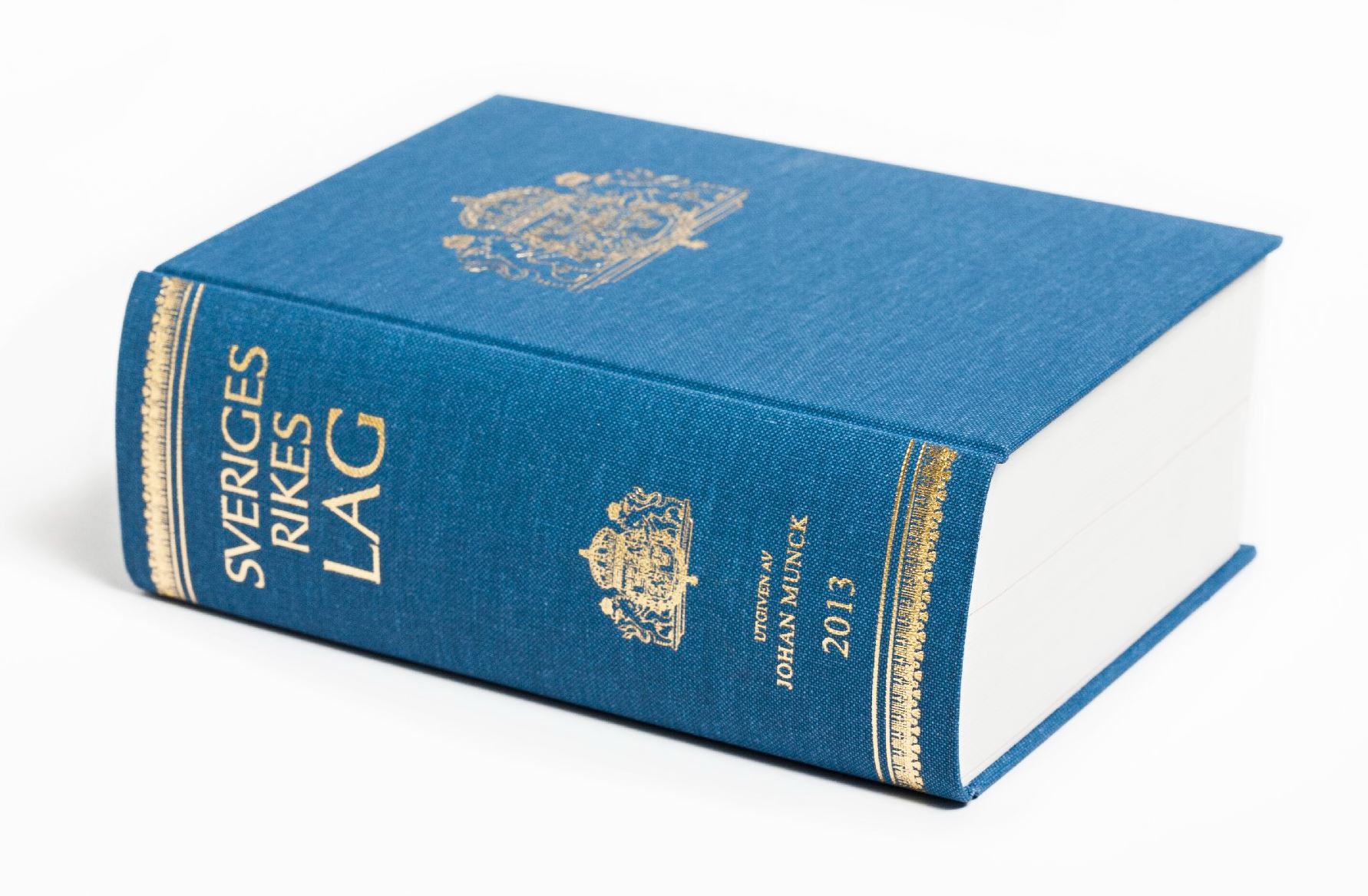
The Role of Juries in Swedish Defamation Law
Sweden’s approach to defamation cases in the media is distinct in that it often involves a jury trial. This jury, which is typically made up of nine individuals, is responsible for determining whether a particular publication constitutes defamation. The case then proceeds to a court, where legal judges determine the penalty and consequences.
This procedural structure is designed to balance freedom of expression with the protection of individuals’ reputations. However, the use of juries in such cases can sometimes lead to controversial results, particularly when the jury’s views on defamation differ from those of the public or legal experts.
In Nilsson’s case, despite the jury finding Dumpen’s actions defamatory, the legal judges did not impose the full penalties requested by the plaintiff. Instead, Nilsson was given a smaller fine of 43,100 SEK, and the case highlights the complexities in striking a fair balance between protecting public interest and safeguarding individuals’ reputations.
Political Reactions and the Future of Media Activism
The political fallout from Nilsson’s conviction has also been notable. Jimmie Åkesson, leader of the Sweden Democrats (SD), expressed strong support for Dumpen’s mission. After the verdict, Åkesson made a symbolic gesture by transferring money to Nilsson via Swish, stating, “This is not just about supporting Sara Nilsson; it’s about supporting the broader fight to protect children from harm. We need to reform Sweden’s defamation laws to ensure that they don’t protect those who prey on children.”
Åkesson’s comments reflect a growing political divide over how to handle child protection activism. Some advocate for stronger legal protections for journalists and activists like Nilsson, while others express concern that such activism could undermine core legal principles, such as the presumption of innocence.
Further complicating the debate is a recent government proposal to give Swedish police more powers in combating child exploitation. This proposal suggests that law enforcement officers should be allowed to use provocative techniques, such as posing as children online, to catch predators before they can act. While this move has garnered support, it has also sparked concerns over the ethical implications of such undercover tactics.
Looking Ahead: A Changing Legal Landscape
As the legal and political landscape evolves, the conversation surrounding Dumpen and similar organisations will undoubtedly continue. Nilsson’s case brings to light the need for reform in both defamation laws and the mechanisms of child protection journalism. Sweden’s position as a leader in human rights and digital freedoms could be challenged if the laws do not evolve to address new forms of activism in the fight against online predators.
Next Steps for Swedish Law and Child Protection
As the appeal process continues, the wider issue of how to balance freedom of speech with the protection of minors will likely remain at the forefront of political and legal discussions.
This case may well become a landmark in how Sweden approaches media freedom, online safety, and child protection. Readers are encouraged to follow the developments closely and contribute their voices to the ongoing debate about how best to safeguard children in the digital age.
Stay Connected
For further insights into this case and its potential implications for the media landscape and child protection laws, stay tuned for our next article. We will explore the future of digital activism in Sweden and the evolving relationship between the press, lawmakers, and civil society. Connect with us on social media and share your thoughts.