
As global tensions escalate, Norway is on high alert regarding Russia’s growing espionage activities, particularly in the northern regions and around Svalbard. According to the Norwegian Security Service (PST), this uptick in intelligence-gathering activities is set to intensify in 2026, with particular attention on the strategic Arctic areas. This assessment reflects not only the geopolitical changes unfolding in Europe but also the broader shift in the global security landscape.
Arctic Regions as a Focus of Russian Espionage
Russia’s interest in the Arctic has been well-documented, with the region’s vast natural resources, strategic military significance, and proximity to key NATO nations driving its activities. As a member of the Arctic Council and with a long coastline bordering the Barents Sea, Norway is directly in the line of Russia’s geopolitical manoeuvres. PST’s assessment underscores the vulnerability of Norway’s northernmost counties and the Svalbard archipelago, which have become focal points for Russian intelligence and influence operations.
Geostrategic Importance of Svalbard
Svalbard, a remote and strategically valuable archipelago, holds significance for Russia’s military and economic interests. Its proximity to the Barents Sea, a key maritime route for shipping energy resources, places it at the heart of Russia’s plans to project power in the Arctic. With critical infrastructure, including oil and gas installations, satellite stations, and other strategic facilities, Svalbard is particularly susceptible to cyberattacks, espionage, and covert influence campaigns.
PST has warned that Russia is likely to continue using civilian vessels to monitor the Norwegian coastline and conduct surveillance on critical infrastructure. These vessels, which operate under the guise of civilian maritime activities, allow Russian intelligence agencies to map key Norwegian facilities undetected, further raising concerns about the integrity of Norway’s critical national infrastructure.
Recruitment of Ukrainian Refugees and Growing Risks
The current conflict in Ukraine has brought a new layer of complexity to Russia’s espionage efforts. According to recent reports from PST, Russian intelligence agencies are increasingly targeting Ukrainian refugees in Norway, attempting to recruit them for espionage or even acts of sabotage. This disturbing development highlights the hybrid nature of modern warfare, where intelligence-gathering is no longer confined to traditional methods, and social and political dynamics are leveraged to advance national security objectives.
The exploitation of vulnerable populations is not new, but it highlights the growing sophistication of Russia’s operations in Scandinavia. For Norway, which hosts a significant number of Ukrainian refugees, these intelligence operations represent an unprecedented challenge. The convergence of the refugee crisis and espionage concerns calls for enhanced vigilance and a more robust counterintelligence framework to safeguard Norway’s national security.
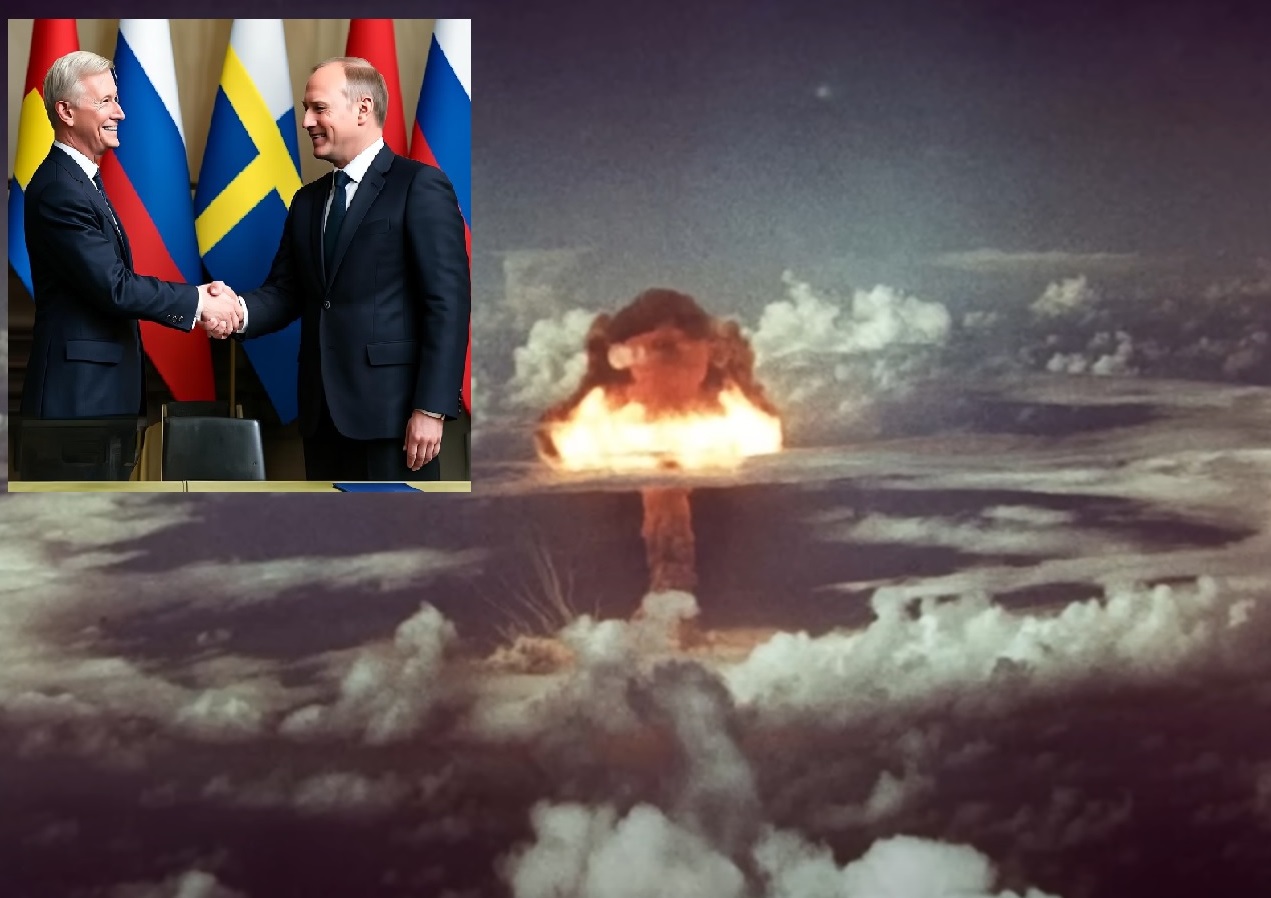
Europe’s Defence Dilemma: The Case for Nuclear Deterrence
As Russia’s aggression in Europe continues to unfold, Europe finds itself facing a harsh reality: the need for stronger defence capabilities, especially nuclear deterrence, to counter Russia’s increasingly provocative stance. This was underscored recently by Michael Claesson, Commander-in-Chief of Sweden’s Armed Forces, who made a compelling argument for Europe to develop its own nuclear deterrent, independent of U.S. support.
In an interview with Radio Sweden (Ekot), Claesson stressed that Europe’s security cannot rely solely on NATO and the U.S. for defence against Russia’s expanding nuclear arsenal. He acknowledged that the path to nuclear deterrence in Europe would likely involve cooperation between the continent’s nuclear powers—primarily Britain and France. However, he also pointed out the political and practical hurdles of such cooperation, noting that any move toward rearmament would require careful consideration.
While nuclear deterrence remains a sensitive issue for many European nations, the reality of the current geopolitical landscape suggests that Europe may no longer afford to remain passive in the face of Russian expansionism. The threat posed by Russia’s nuclear capabilities cannot be underestimated, and Europe’s nuclear powers—Britain and France—currently possess only a fraction (around 10%) of Russia’s nuclear arsenal. This stark disparity underlines the urgency for Europe to develop a more credible defence strategy, particularly in the face of Russia’s aggressive posture.
The Road Ahead: Strengthening Norway’s Security Posture
Norway finds itself at the forefront of an evolving security challenge, with its Arctic territories becoming increasingly vulnerable to espionage and influence activities. As Russia ramps up its intelligence-gathering efforts, Norway’s national security apparatus must adapt to these new realities. This includes reinforcing the defence of critical infrastructure, strengthening counterintelligence measures, and working closely with its NATO allies to ensure collective security.
Moreover, as Europe grapples with the nuclear threat, the debate over the need for a European nuclear deterrent is likely to intensify. For Norway, a key NATO member, this issue is not just theoretical—it is directly tied to its own defence and security. Norway must continue to navigate the complexities of Arctic security, counterintelligence, and European defence integration in an increasingly multipolar and unpredictable world.
A Follow-Up: The Future of Arctic Security and European Defence
In our next issue, we will delve deeper into the evolving security dynamics in the Arctic region and explore how Norway and its NATO allies are positioning themselves in response to Russia’s growing influence. Additionally, we will examine the broader implications of European nuclear deterrence and its potential role in shaping the continent’s defence posture.
Stay connected with us for insightful updates on the changing geopolitical landscape, and don’t hesitate to reach out for more in-depth discussions or inquiries about Norway’s strategic security measures.
Connect with us to share your thoughts, ask questions, or engage with our community on issues related to Nordic and European security. Together, we’ll navigate the shifting tides of geopolitics.