
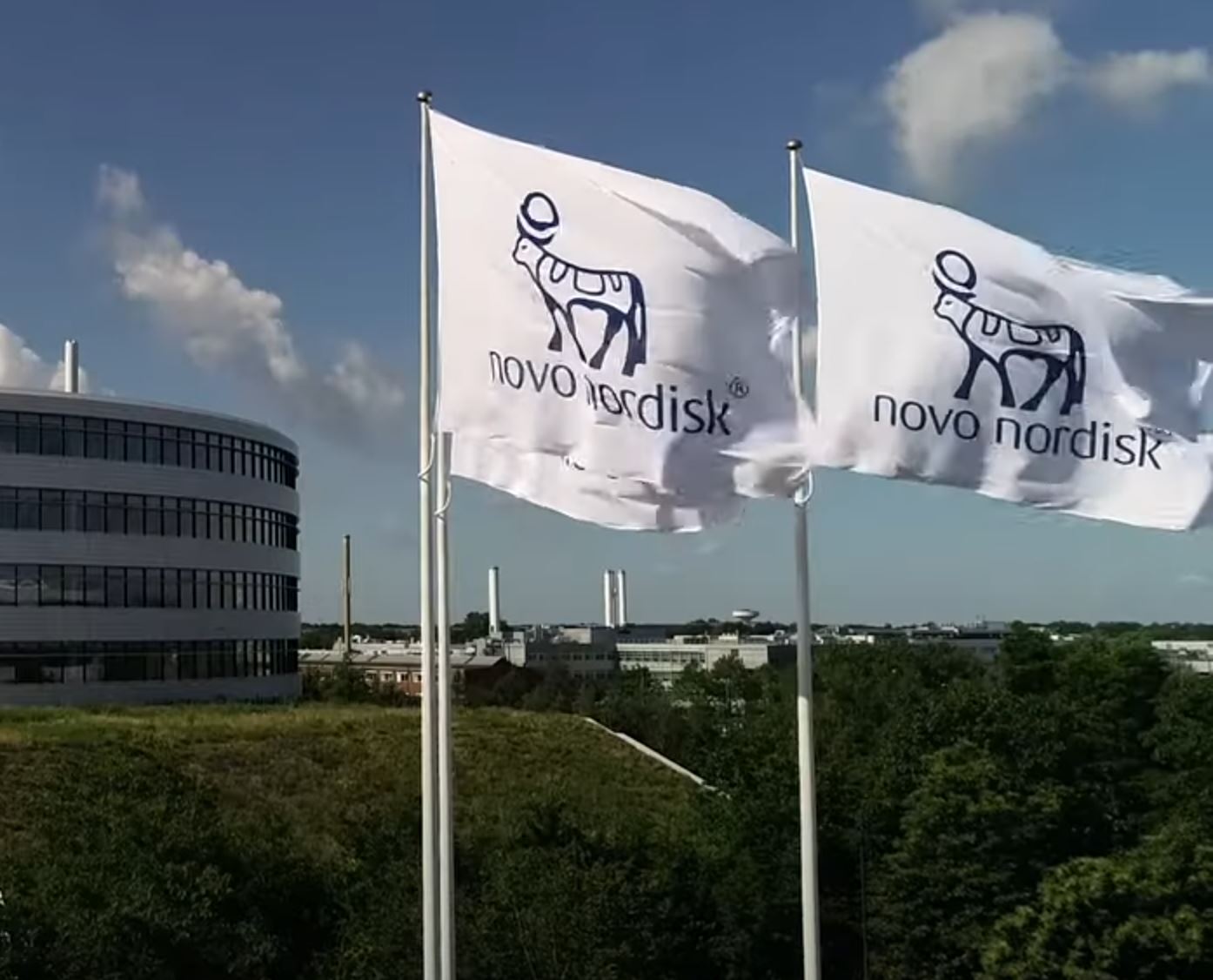
Few companies have defined the global economic landscape of the last 24 months quite like Novo Nordisk. Propelled by the meteoric rise of semaglutide—marketed globally as Ozempic for diabetes and Wegovy for weight loss—the Danish pharmaceutical giant has become Europe’s most valuable company. However, as the dust settles on a turbulent year of unprecedented demand, a new strategic reality is emerging.
For investors and industry observers in the Nordic region, the question is no longer just about growth, but about sustainability. As patent protections erode in key emerging markets and competition intensifies in the West, Novo Nordisk faces a complex “cocktail” of challenges that will test its resilience over the coming decade.
The Patent Reality: A Geographic Mosaic
A common misconception in current market analysis is the imminence of a global “patent cliff.” The reality is more nuanced. While core patents protecting semaglutide in the United States and the European Union remain secure until the early 2030s, the protection landscape is fragmented.
As noted by Per Hansen, savings economist at Nordnet, the pressure is already materialising in specific jurisdictions. In Canada, patent exclusivity began waning in early 2024. More significantly, India represents a critical frontier. With a burgeoning obesity crisis and a robust domestic generic pharmaceutical industry, India is poised to see cheaper versions of semaglutide as patents expire.
Analysis: Why does India matter if it’s a lower-margin market? Volume. Companies like Dr. Reddy’s Laboratories are preparing to launch generics not just domestically, but across 80+ countries. For Novo Nordisk, this signals the end of the “one-size-fits-all” pricing strategy. The company must pivot to a tiered global strategy, protecting premium pricing in the West while defending market share in the Global South through volume or authorised generics.
The Duopoly: Novo Nordisk vs. Eli Lilly
The immediate threat to Novo’s dominance is not generics, but innovation from its American rival, Eli Lilly. Lilly’s tirzepatide (Mounjaro/Zepbound) has shown superior efficacy in head-to-head trials regarding weight loss percentages.
“We are witnessing the formation of a classic duopoly,” says Mattias Arvidsson, head of unit at the Swedish Patent and Registration Office. “However, in pharma, a duopoly is only stable as long as the innovation pipeline remains active.”
The risk for Novo is not just price erosion, but share erosion. If Lilly can manufacture at scale faster than Novo, they could capture the lion’s share of the unmet demand in the US market, which currently drives the bulk of Novo’s profitability.
Supply Chain as Strategy
Perhaps the most critical update to the narrative since the original reporting is the shift from demand to supply. Novo Nordisk’s biggest challenge in 2023-2024 has not been selling the drug, but making it.
In a strategic move to secure capacity, Novo Nordisk has embarked on an aggressive M&A spree, acquiring manufacturing facilities from Catalent in three locations (including sites in the US and Italy) for €11 billion. This vertical integration is a defensive moat. By controlling more of the fill-finish process, Novo mitigates the risk of bottlenecks that could allow Eli Lilly to steal market share.
Key Insight for Investors: Watch the CapEx. Novo’s capital expenditure plans for the next five years will be a stronger indicator of future stability than quarterly sales beats. They are betting billions that the GLP-1 trend is a structural shift in healthcare, not a fleeting trend.
The Nordic Economic Stake
For the Nordic region, Novo Nordisk is too big to fail. The company accounts for a significant portion of the Danish stock market (OMX Copenhagen 25) and contributes materially to the national GDP.
Dag Larsson of Lif, the trade association for research-based pharmaceutical companies, notes that patent expiration is “simply the rules of the game.” However, for the Danish economy, the stakes are higher than typical corporate cycles. If Novo fails to launch a successful successor to semaglutide before the 2030s, the ripple effects on the Danish kroner and regional investment flows could be profound.
The Next Horizon: CagriSema and Oral Formulations
To counter the eventual generic threat, Novo is already deploying its next line of defence. The company’s pipeline includes CagriSema, a combination therapy that pairs semaglutide with cagrilintide, showing even greater weight loss potential in early trials. Furthermore, the development of high-dose oral semaglutide could revolutionise administration, removing the barrier of injections.
“The company that manufactures generic copies must do the same basic work in terms of quality,” says Larsson. “But the originator always has the advantage of the next generation.”
A Test of Innovation Velocity
Novo Nordisk remains a powerhouse, but the era of easy growth driven solely by a single molecule is maturing. The path forward requires a delicate balance: managing supply chain constraints, fending off Eli Lilly in the West, and navigating generic erosion in emerging markets.
For the Nordic business community, Novo’s ability to innovate its way out of the patent cliff will serve as a case study for the region’s reliance on large-cap life science exporters. The weight loss revolution is real, but maintaining the crown requires more than just a popular drug; it requires an ecosystem of innovation that stays one step ahead of the copycats.
📡 Editor’s Note & Follow-Up Direction
Where do we go from here?
In our next issue, we recommend diving deeper into “The Oral Revolution: How Pill-Based GLP-1s Will Disrupt the Injection Market.” As Novo and Lilly race to perfect oral formulations, the logistics, patient compliance, and insurance reimbursement models will shift dramatically. This will have significant implications for Nordic biotech startups specializing in drug delivery systems.
Connect With Us
Are you an investor, industry expert, or business leader following the Nordic life science sector? We want to hear your insights.
Have a story idea? Contact our editorial team at editors@nordicbusinessjournal.com
Stay ahead of the curve with the Nordic Business Journal.