
The narrative of the automotive industry has been singular for the past half-decade: electrification is inevitable, immediate, and absolute. However, as we move through 2024, a more nuanced reality is emerging. The transition to fully electric powertrains is encountering friction points that even the largest manufacturers can no longer ignore.
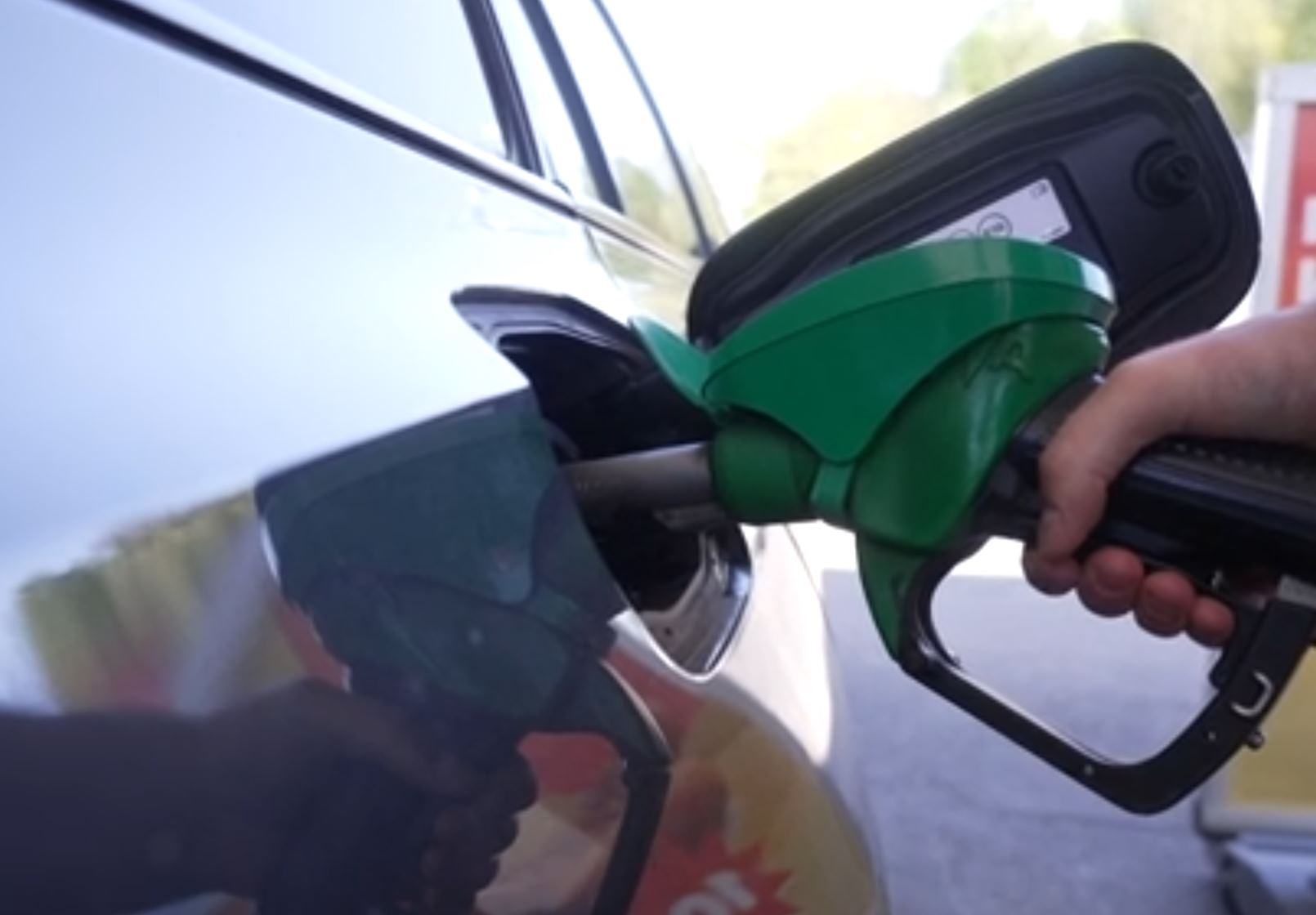
In a move that signals a broader industry correction, automotive giant Stellantis has announced a strategic pivot: the reintroduction and extension of diesel engines across approximately fifteen passenger car and van models in Europe.
For the Nordic business community, this is not merely a story about fuel types. It is a case study in risk management, market responsiveness, and the complex economics of the green transition.
The “EV Speed Bump” and Market Reality
The decision by Stellantis, led by CEO Carlos Tavares, contradicts the aggressive all-electric timelines set just two years ago. It reflects a growing consensus among European OEMs (Original Equipment Manufacturers) that the market is not yet ready to abandon internal combustion engines (ICE) entirely.
While electric vehicle (EV) sales continue to grow, the rate of adoption has plateaued in several key European markets. High interest rates, reduced subsidies, and persistent concerns regarding charging infrastructure and range anxiety have made the total cost of ownership (TCO) for EVs less attractive for the mass market compared to earlier projections.
“We have decided to maintain diesel engines in our portfolio and in some cases expand our range of powertrains,” a Stellantis spokesperson confirmed to Reuters. The message is clear: electrification remains a core pillar, but it will not be the only pillar in the immediate future.
The Nordic Context: A Region Divided
For readers in the Nordic region, this development requires a segmented analysis. The Nordics are not a monolith regarding automotive adoption.
Norway: With EVs accounting for over 90% of new car sales, the diesel comeback is largely irrelevant for the passenger market but remains critical for heavy commercial transport.
Sweden and Finland: Here, the geography and industrial landscape differ. Long distances, harsh winter conditions, and a robust forestry and logistics sector mean diesel retains a strong value proposition. For Swedish SMEs operating in rural areas or the Finnish transport industry, the TCO of a modern diesel van often undercuts an electric equivalent when factoring in upfront capital and downtime for charging.
Denmark: With high registration taxes on cars, the price differential between diesel and EV models heavily influences consumer choice.
Stellantis’s move acknowledges that a “one-size-fits-all” European strategy fails to account for the specific logistical realities of Northern Europe.
Strategic Analysis: The China Factor and Regulatory Tightrope
Why does this matter for investors and business leaders? There are three key strategic implications:
1. Defending the Turf Against Chinese OEMs
Chinese manufacturers (such as BYD and MG) are entering Europe with aggressive pricing on electric and hybrid models. They do not carry the legacy burden of diesel development. By maintaining diesel options, European giants like Stellantis, Volkswagen, and Volvo Trucks are leveraging their historical R&D investments. It allows them to offer a lower-cost alternative to price-sensitive consumers who are not yet ready to switch to EV, effectively blocking Chinese entry in the budget and commercial segments.
2. The Euro 7 Conundrum
This strategy walks a regulatory tightrope. The EU’s upcoming Euro 7 emissions standards are stringent. Reinvesting in diesel technology risks creating “stranded assets” if regulations tighten further or if cities implement stricter low-emission zones. Stellantis is betting that modern diesel, particularly when paired with mild-hybrid technology, can remain compliant long enough to bridge the gap to 2035 (the current EU target for ending new ICE sales).
3. Cash Flow for Electrification
Paradoxically, selling diesel cars today may fund the electric future. EV production is currently capital intensive and, for many manufacturers, margin-negative. High-margin diesel sales in the commercial and fleet sectors generate the cash flow necessary to subsidize the continued development of EV platforms. It is a pragmatic approach to financing the transition without bankrupting the company.
Technology Agnosticism as a Strategy
The return of diesel is not a rejection of sustainability, but an admission of logistical reality. The automotive industry is shifting from a politically driven timeline to a demand-driven roadmap.
For Nordic business leaders, the takeaway is clear: The transition will be hybrid in nature, not just in powertrains, but in strategy. Expect a longer period where fleets must manage mixed energy sources. The companies that win in the next decade will not be those that committed earliest to electric, but those that managed the transition most profitably.
Editor’s Note: Where We Go From Here
Follow-Up Direction:
In our next issue, we recommend diving deeper into “The Total Cost of Ownership in Nordic Logistics.” As manufacturers offer mixed powertrains, fleet managers in Sweden, Finland, and Denmark face complex decisions. A comparative analysis of diesel vs. electric vs. hydrotreated vegetable oil (HVO) for Nordic commercial fleets would provide actionable data for our readers in the transport and supply chain sectors.
Connect With Us:
Are you navigating the energy transition in your business? We want to hear from industry leaders, fleet managers, and investors.
- Share your insights: editor@nordicbusinessjournal.com
- Join the conversation: Follow us on LinkedIn @NordicBusinessJournal
- Subscribe: For deep-dive analysis on Nordic industry trends, visit our website.
The Nordic Business Journal – Insight for the Northern Economy.