
A newly operationalised memorandum of understanding between Sweden and nine NATO allies establishes coordinated cross-border evacuation protocols for the Baltic Sea region. For Nordic executives, this agreement transcends civil defence—it represents a critical framework for supply chain resilience, infrastructure investment prioritisation, and strategic risk assessment in an increasingly volatile security environment.
Strategic Cooperation Takes Concrete Form
Sweden has formalised a landmark memorandum of understanding (MoU) with nine NATO allies—Denmark, Finland, Iceland, Norway, Estonia, Latvia, Lithuania, Poland, and Germany—to coordinate the movement of civilian populations across land borders during crises or armed conflict. First signed on February 6, 2024, and now fully operationalised following Sweden’s NATO accession in March 2024, the agreement establishes shared protocols for evacuation corridors, border management, reception infrastructure, and protection of vulnerable groups.
“This MoU expresses our desire to further deepen cooperation in our region and to strengthen our joint preparedness,” stated Civil Defence Minister Carl-Oskar Bohlin. “We are NATO members and neighbours who are mutually dependent on each other for our security.”
While framed in humanitarian terms, the agreement carries profound implications for the Nordic business ecosystem. In an era where hybrid threats, cyber disruptions, and regional instability can interrupt logistics overnight, coordinated civil defence planning is inseparable from business continuity strategy.
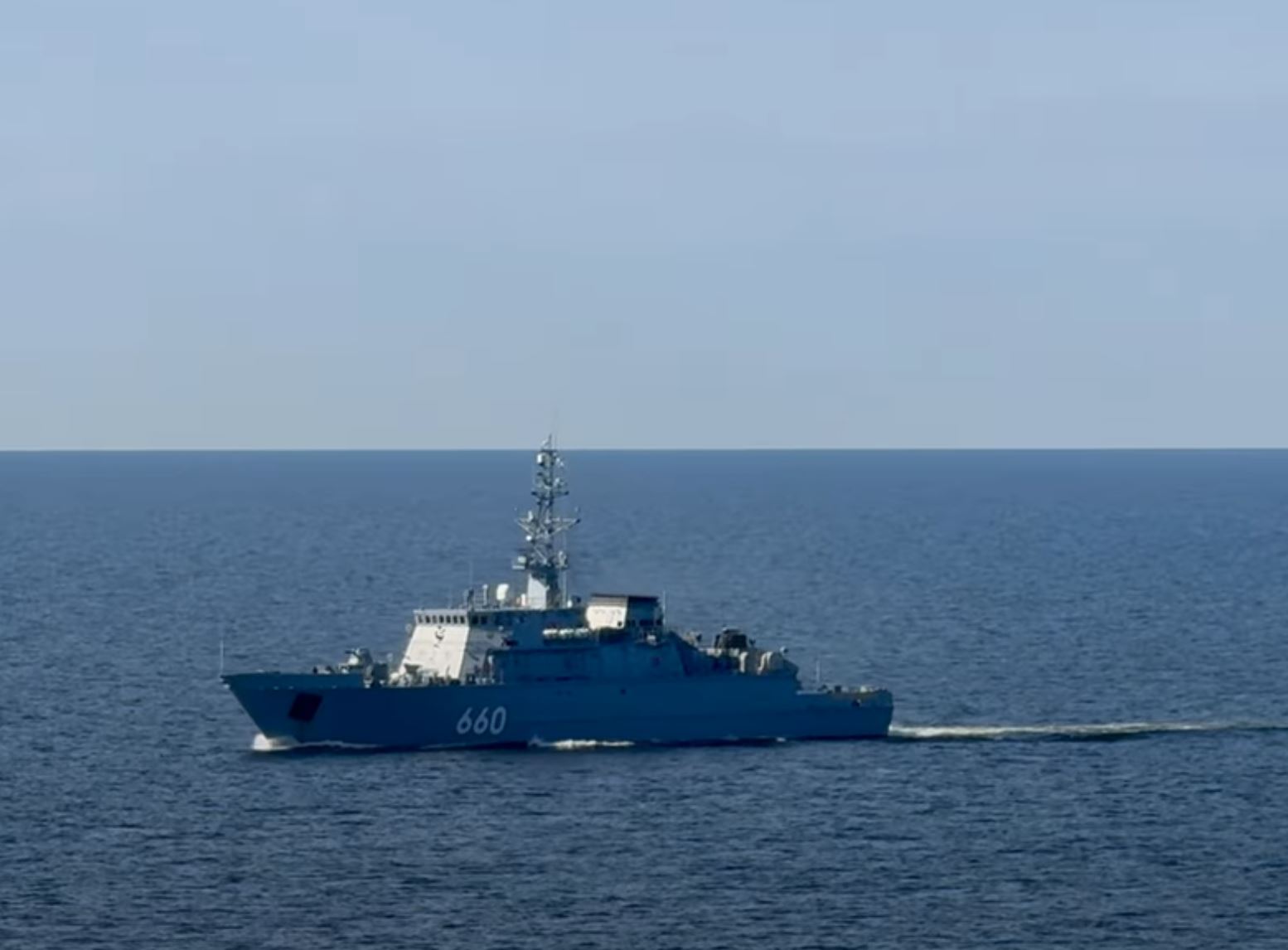
Why This Matters for Nordic Business Leaders
- Supply Chain Resilience Gets a Security Upgrade
The Baltic Sea region handles over 15% of EU maritime freight traffic, with critical energy, manufacturing, and technology supply chains converging through ports in Gothenburg, Helsinki, Tallinn, and Gdańsk. A coordinated evacuation framework reduces the risk of chaotic border closures that could strand personnel, delay shipments, or disrupt just-in-time manufacturing. Companies with cross-border operations should now review their crisis protocols against the MoU’s evacuation corridor mappings.
- Infrastructure Investment Opportunities Emerge
Implementation of the MoU will require upgrades to transport networks, digital registration systems, and reception facilities along key land corridors—particularly the Nordic-Baltic axis. Public procurement opportunities in civil defence infrastructure, secure communications, and emergency logistics are expected to rise. Nordic construction, technology, and logistics firms with dual-use capabilities (civilian/military applications) are well-positioned to compete for these contracts.
- Risk Modelling and Insurance Implications
Insurers and corporate risk managers must recalibrate exposure assessments for assets in the Eastern Baltic region. The existence of coordinated evacuation plans may modestly reduce “tail risk” premiums for business interruption coverage, while simultaneously highlighting vulnerabilities in regions lacking similar frameworks. Reinsurance markets are already incorporating Nordic civil defence cooperation into regional stability models.
- Talent Mobility and Workforce Planning
For multinational corporations with regional hubs, the agreement provides greater predictability regarding employee safety protocols during crises. HR and security teams should integrate the MoU’s reception and registration procedures into their emergency response playbooks—particularly for organisations with significant staff in the Baltic states or Finland.
Context Update: The 2026 Security Landscape
Since the MoU’s initial signing, the regional security environment has evolved significantly:
- Sweden’s NATO Integration: Full membership has accelerated intelligence-sharing and joint exercise participation, strengthening the operational backbone of civil-military coordination.
- Baltic Sea Hybrid Threats: Increased incidents involving undersea infrastructure, GPS jamming, and disinformation campaigns underscore the need for civilian protection frameworks that complement military deterrence.
- Defence Spending Momentum: Nordic nations now collectively allocate over 2.5% of GDP to defence, with significant portions directed toward dual-use infrastructure that supports both military readiness and civilian resilience.
- Lessons from Ukraine: As Minister Bohlin noted, population movements are not solely humanitarian challenges—they intersect with defence mobilisation, economic continuity, and societal will to resist coercion.
The Finland Precedent and Regional Interoperability
Sweden’s existing bilateral evacuation agreement with Finland—now being scaled to the multilateral level—offers a practical blueprint. Joint planning has already identified priority transport routes, harmonised border control procedures, and established protocols for vulnerable group protection. The Civil Defence Agency is convening technical working groups with counterpart authorities to align digital systems and training standards across all signatory states.
“This isn’t about anticipating failure,” notes a senior Nordic defence analyst who requested anonymity. “It’s about ensuring that if a crisis occurs, our societies—and our economies—can absorb shock, maintain function, and recover swiftly. That’s a competitive advantage for the Nordic region.”
Strategic Takeaways for Executives
| Priority Area | Recommended Action |
| Supply Chain Mapping | Audit critical logistics routes against MoU evacuation corridors; identify alternative pathways |
| Crisis Protocol Alignment | Integrate MoU reception/registration procedures into corporate emergency response plans |
| Stakeholder Engagement | Establish dialogue with national civil defence agencies to anticipate infrastructure developments |
| Risk Assessment Update | Recalibrate geopolitical risk models to reflect enhanced regional coordination |
| Talent Security | Review employee safety protocols for Baltic/Nordic postings in light of new evacuation frameworks |
Editor’s Note: Where We Go Next
This evacuation pact is one piece of a broader Nordic resilience strategy. In our next edition, we’ll examine how public-private partnerships are shaping dual-use infrastructure investment across the region—and what it means for your capital allocation decisions. We invite Nordic business leaders to share their perspectives on civil defence preparedness: connect with our editorial team at editors@nordicbusinessjournal.com or join the conversation via LinkedIn @NordicBusinessJournal. Your insights help us deliver analysis that matters.