
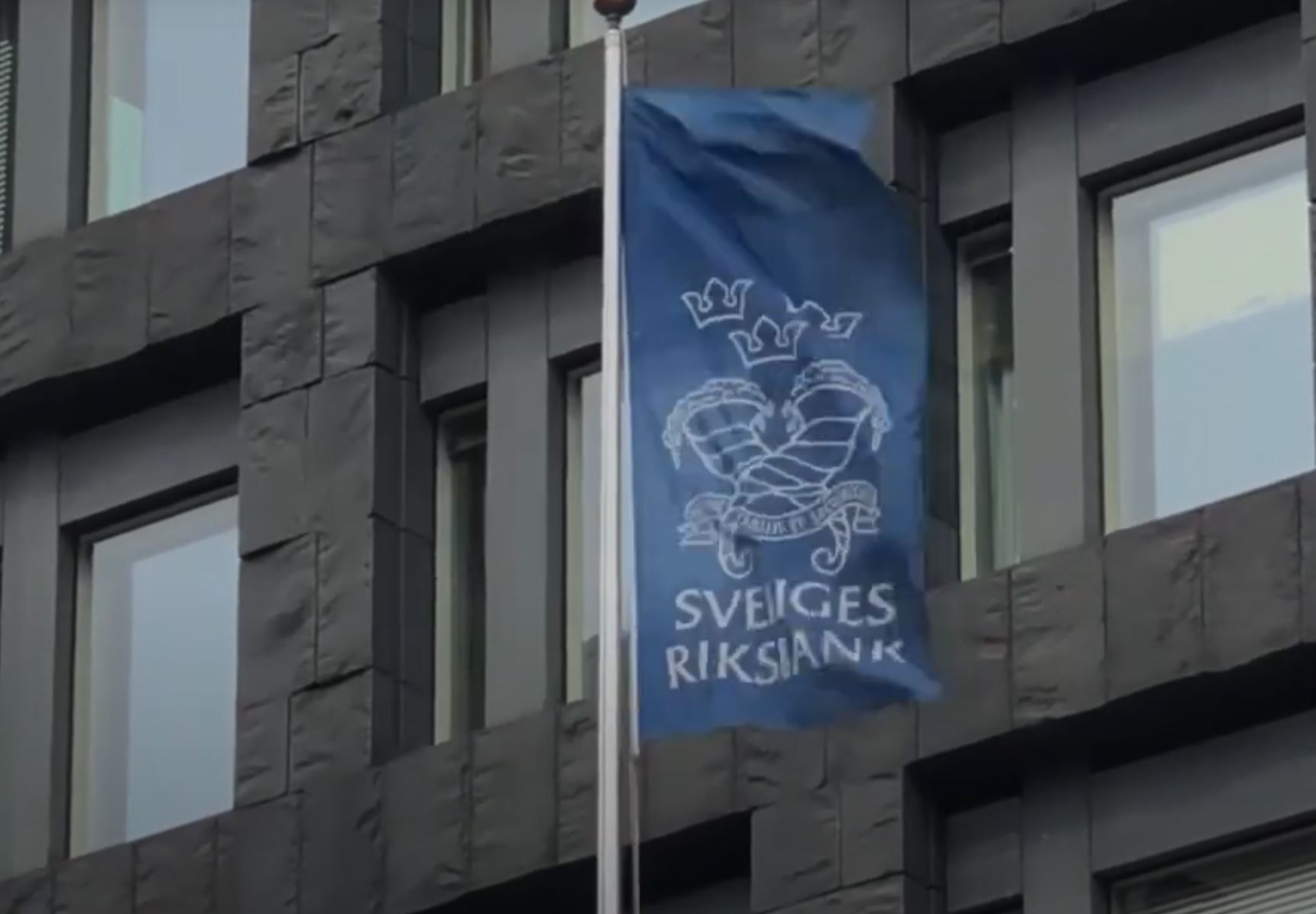
The Swedish Central bank, the Riksbank recommends that all households keep SEK 1,000 in cash per adult at home.
In a nation globally renowned for pioneering the cashless society, the Swedish Central Bank (Riksbank) has issued a directive that runs counter to its digital-first reputation: keep cash at home.
The Riksbank’s standing recommendation—that every adult household member maintain SEK 1,000 in physical currency—is no longer just a matter of personal contingency planning. In the context of Sweden’s recent NATO accession and a volatile geopolitical landscape, this directive represents a critical component of national infrastructure resilience. For the Nordic business community, understanding the implications of this shift is vital for risk management and business continuity planning.
The Security Infrastructure Behind the Advice
While the recommendation has existed in various forms since the 2022 invasion of Ukraine, its urgency has been recalibrated in 2024. First Deputy Governor Aino Bunge and Governor Anna Breman have emphasized that the “deteriorating global situation” necessitates a robust backup system for payments.
The logic is straightforward: digital payment systems, including the ubiquitous Swish mobile platform and card networks, rely on electricity and internet connectivity. In the event of a cyberattack, grid failure, or military conflict, these systems represent single points of failure.
Key Analysis for Business Leaders:
Systemic Vulnerability: Sweden’s heavy reliance on digital payments creates a systemic risk. If digital rails go down, commerce halts. The Riksbank’s advice is an admission that digital redundancy is not yet sufficient for high-stakes crisis scenarios.
The “One Week” Horizon: The SEK 1,000 figure is calculated to cover essential goods for one week. For businesses, this highlights the need for supply chains that can function without real-time digital settlement during the initial phase of a crisis.
The Paradox of the Cashless Leader
Sweden is often cited as the world’s most cashless economy, with cash usage dropping below 10% of transactions pre-pandemic. However, the Riksbank is now actively encouraging the reintroduction of cash into the household economy to preserve the option of using it.
“We have stocks of cash. So, it’s not like I’m urging everyone to run out now and withdraw cash. This is a preparedness we’re going to build over time,” noted Riksbank leadership.
This measured approach prevents bank runs while ensuring liquidity distribution. Currently, surveys indicate just over 40% of households meet the SEK 1,000 threshold. The remaining 60% represent a gap in national preparedness that the Central Bank aims to close gradually.
Implications for the Nordic Business Ecosystem
For readers of the Nordic Business Journal, this directive extends beyond personal finance. It signals broader shifts in operational risk:
1. Retail & POS Systems: Retailers must ensure Point of Sale (POS) systems can process cash efficiently, even if volume is low. Staff training on cash handling should not be deprioritised.
2. Fintech & Banking: The recommendation to hold cards from two different networks underscores the risk of network-specific outages. Fintech companies should consider interoperability and offline transaction capabilities as a competitive advantage.
3. Supply Chain Continuity: If consumers revert to cash during a crisis, logistics providers must be prepared for settlements that do not rely on immediate digital clearance.
Actionable Steps for Households and SMEs
The Riksbank’s guidance offers a blueprint for resilience that SMEs and executives should adopt internally:
Liquidity Diversification: Just as households are advised to hold cash, businesses should review their working capital access. Ensure lines of credit are not solely dependent on one banking institution.
Payment Redundancy: Follow the Central Bank’s advice on payment cards. Ensure corporate accounts have access to multiple payment processors to mitigate network disruptions.
Routine Testing: The Riksbank suggests using cash occasionally to keep the system “alive.” Businesses should test manual backup procedures for payments and payroll regularly to ensure staff are proficient if digital systems fail.
Conclusion: Preparedness as a Strategic Asset
The Riksbank’s message is clear: efficiency cannot come at the cost of security. While Sweden continues to innovate digitally, the physical backbone of the economy must remain intact. For the Nordic business sector, this is a reminder that in an era of hybrid threats, resilience is not just about cybersecurity—it is about maintaining analogue alternatives when the digital grid flickers.
Editor’s Note & Next Steps
Follow-Up Direction:
In our next issue, we will deep-dive into “Cyber-Resilience in Nordic Supply Chains.” We will analyse how Nordic logistics firms are stress-testing their operations against state-sponsored cyber threats and what insurance models are emerging to cover digital downtime.
Connect With Us:
Is your organization prepared for a digital payment outage? We want to hear your continuity strategies.
- Share your insights: editor@nordicbusinessjournal.com
- Join the discussion: Follow us on LinkedIn @NordicBusinessJournal
- Subscribe: Visit our website for exclusive reports on Nordic economic security.
Stay prepared. Stay connected.