
The intersection of geopolitics and global logistics has once again become a critical boardroom concern for the Nordic aviation sector. Following escalated tensions in the Middle East, jet fuel prices have experienced sharp volatility, signalling a new period of uncertainty for airlines, logistics firms, and investors across Northern Europe.
Recent market data indicates that jet fuel costs have surged to levels not seen in nearly four years. In Northwestern Europe, benchmark prices recently spiked to approximately $1,416 per tonne—a single-day increase of 12 percent and a weekly surge of 71 percent, according to financial reporting. Simultaneously, the price premium of refined aviation fuel compared to crude oil has reached record highs, trading at a premium of around $97 per barrel in Europe. In Asian markets, this spread temporarily widened to $200 above crude before correcting.
For Nordic business leaders, this is not merely a headline about oil; it is a signal of fragility in the global supply chain that directly impacts the region’s connectivity and export capabilities.
The Geopolitical Bottleneck
The primary driver of this volatility is the disruption of critical energy transport routes. Analysts estimate that roughly 40 percent of Europe’s jet fuel deliveries transit through the Strait of Hormuz. With regional tensions threatening the free flow of commerce through this chokepoint—and compounding risks in the Red Sea due to ongoing proxy conflicts—the risk premium on energy security has skyrocketed.
This supply-side shock coincides with a demand-side surge. As air traffic resumes following regional security alerts, airlines are facing a “perfect storm” of constrained supply and rebounding passenger numbers. Major carriers like Emirates and Qatar Airways have recently mobilized to repatriate stranded passengers, leading to congestion at hubs like Muscat. The operational ripple effects were felt globally, with flights forced to divert to Riyadh or Cairo for refuelling due to slot and fuel shortages.
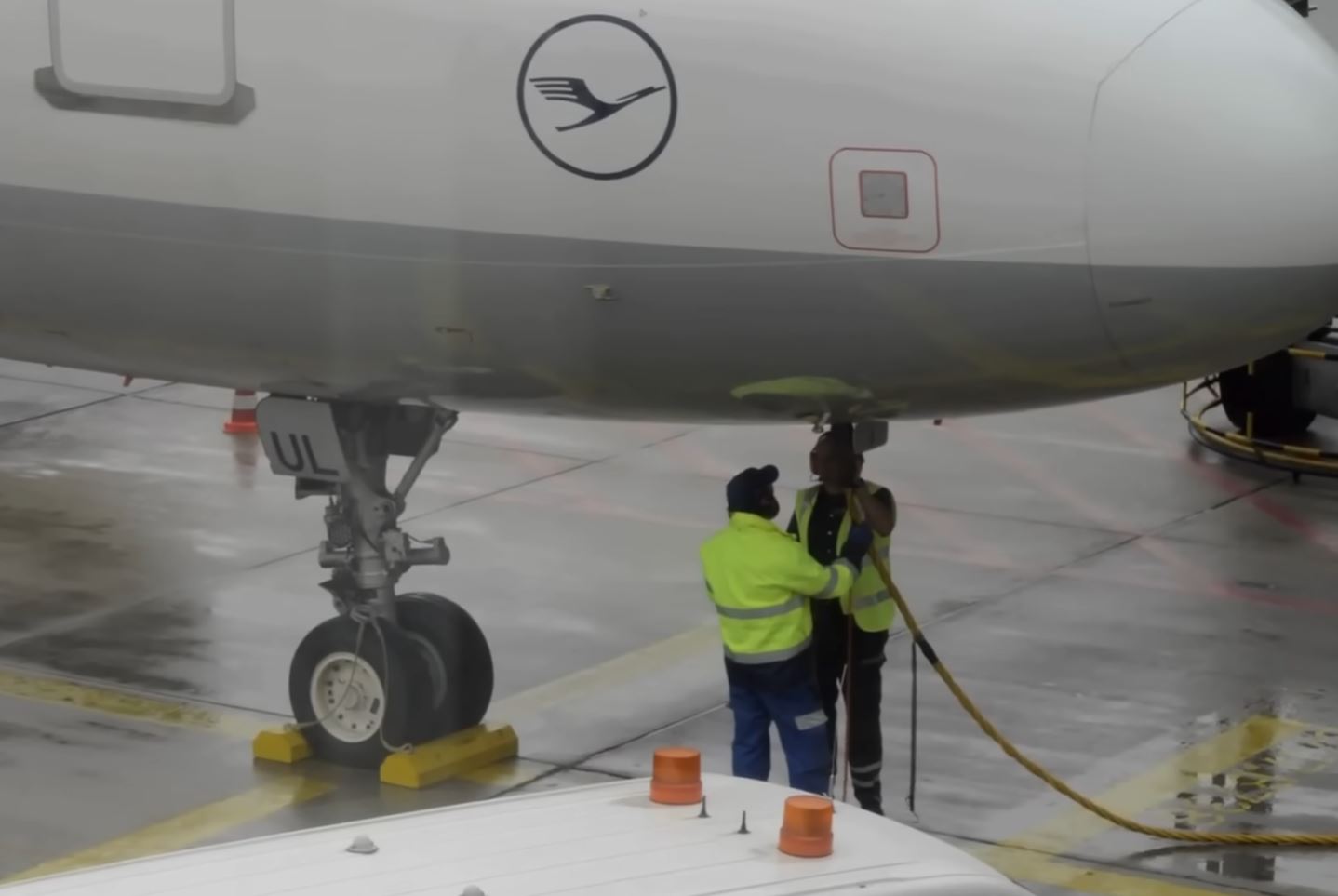
Nordic Exposure and Strategic Analysis
While the epicentre of the crisis lies in the Middle East, the fallout is acutely felt in the Nordic region. Carriers such as SAS, Norwegian, and Finnair operate extensive long-haul networks that rely on efficient fuelling strategies and stable pricing.
1. Profitability at Risk:
Rapidly rising fuel prices threaten to erode profit margins just as the post-pandemic recovery stabilises. For Nordic airlines, which often operate on thinner margins than their Gulf competitors, fuel hedging strategies will be tested. The current premium on refined products suggests that hedging crude oil alone may no longer be sufficient protection.
2. The Cargo Connection:
The Nordic economies are heavily export-dependent (pharmaceuticals, machinery, perishables). Aviation fuel costs directly translate to air freight rates. A sustained spike in jet fuel could increase the cost of exporting high-value Nordic goods, potentially affecting trade balances with Asia and North America.
3. Tourism Flows:
Higher operational costs inevitably lead to higher ticket prices. This could dampen demand for leisure travel into Nordic capitals during the peak summer season, impacting the broader hospitality and tourism ecosystem.
The Green Hedge: SAF as Security
Here lies the most critical strategic insight for Nordic stakeholders: Sustainable Aviation Fuel (SAF) is no longer just an environmental imperative; it is a supply chain security measure.
Unlike fossil jet fuel, which is subject to the geopolitical whims of unstable regions, SAF production can be localized. The Nordic region is already a global leader in biofuel technology and waste-to-energy solutions. By accelerating the adoption of SAF, Nordic airlines can decouple their operational costs from the volatility of the Strait of Hormuz.
Investors and policymakers should view the current fuel crisis as a validation of the business case for green aviation. Diversifying fuel sources through domestic SAF production offers a hedge against geopolitical shock that traditional financial instruments cannot provide.
Outlook
The warning from airlines is clear: rapidly rising fuel prices will hit profitability. However, for the Nordic business community, this challenge presents an opportunity to lead. By leveraging regional innovation in green energy and adopting robust risk management frameworks, Nordic aviation can turn a geopolitical liability into a competitive advantage.
As the situation in the Middle East develops, monitoring the spread between crude and refined products will be essential. If the premium remains high, expect consolidation in the cargo sector and accelerated regulatory support for alternative fuels in the EU and EEA.
Editor’s Note & Next Steps
Follow-Up Direction:
In our next issue, we will deep-dive into “The Nordic SAF Advantage: Localizing Fuel Production to Mitigate Geopolitical Risk.” We will analyse the investment opportunities in Scandinavian bio-refineries and interview CFOs from major Nordic carriers regarding their 2025 hedging strategies.
Connect With Us:
Are you an investor, aviation executive, or policy maker with insights on energy security? We want to hear from you.
- Submit a tip or opinion piece: editor@nordicbusinessjournal.co
- Join the conversation: Follow us on LinkedIn @NordicBusinessJournal
- Subscribe: For weekly analysis on Nordic markets, visit www.nordicbusinessjournal.com/subscribe
Stay ahead of the turbulence.