
The sight of rising numbers on the fuel pump is becoming a familiar stressor for Swedish businesses. Following escalated geopolitical tensions in the Middle East and ongoing disruptions in global shipping lanes, diesel prices in southern Sweden have seen a sharp uptick, adding over four kronor per litre in recent weeks. For local entrepreneurs, this is not merely a household budget issue—it is a bottom-line threat.
“I’m thinking of all the entrepreneurs and people who commute to their jobs,” says Patrik Andersson, a tow truck operator refuelling in Jönköping on Monday morning. With his tank full, the display read 1,500 kronor. “That is madness. For logistics companies operating on thin margins, this volatility makes quarterly planning nearly impossible.”
At a station on Österängen, Leif Eriksson, who relies on his vehicle for client visits, echoed the sentiment. “I have to have the car for work, so there is no choice. But before you even leave the station, the price seems to tick up again.” Indeed, market data confirms Eriksson’s observation: spot prices adjusted upward to 21.44 kronor per litre during the course of the morning.
The Macro View: A Stressed Market
While the pain is felt at the pump, the drivers are global. Robert Bergqvist, Senior Economist at SEB, warns that the Nordic region is entering a period of sustained energy uncertainty.
“The market is extremely stressed,” Bergqvist tells the Nordic Business Journal. “Oil prices are reacting to risk premiums regarding transportation security in the Middle East and production stability. As long as uncertainty persists regarding the Red Sea corridor and potential involvement of additional regional actors, we expect prices to remain elevated.”
Contrary to consumer suspicion that companies are simply “taking the opportunity to raise prices,” the mechanics are rooted in futures trading and supply chain insurance costs. Brent crude, which hovered just over $70 prior to the recent escalation, has seen volatility push it toward the $85–$90 range. While not yet at the $115 peaks seen during the 2022 energy crisis, the trajectory is concerning for analysts monitoring inflation targets.
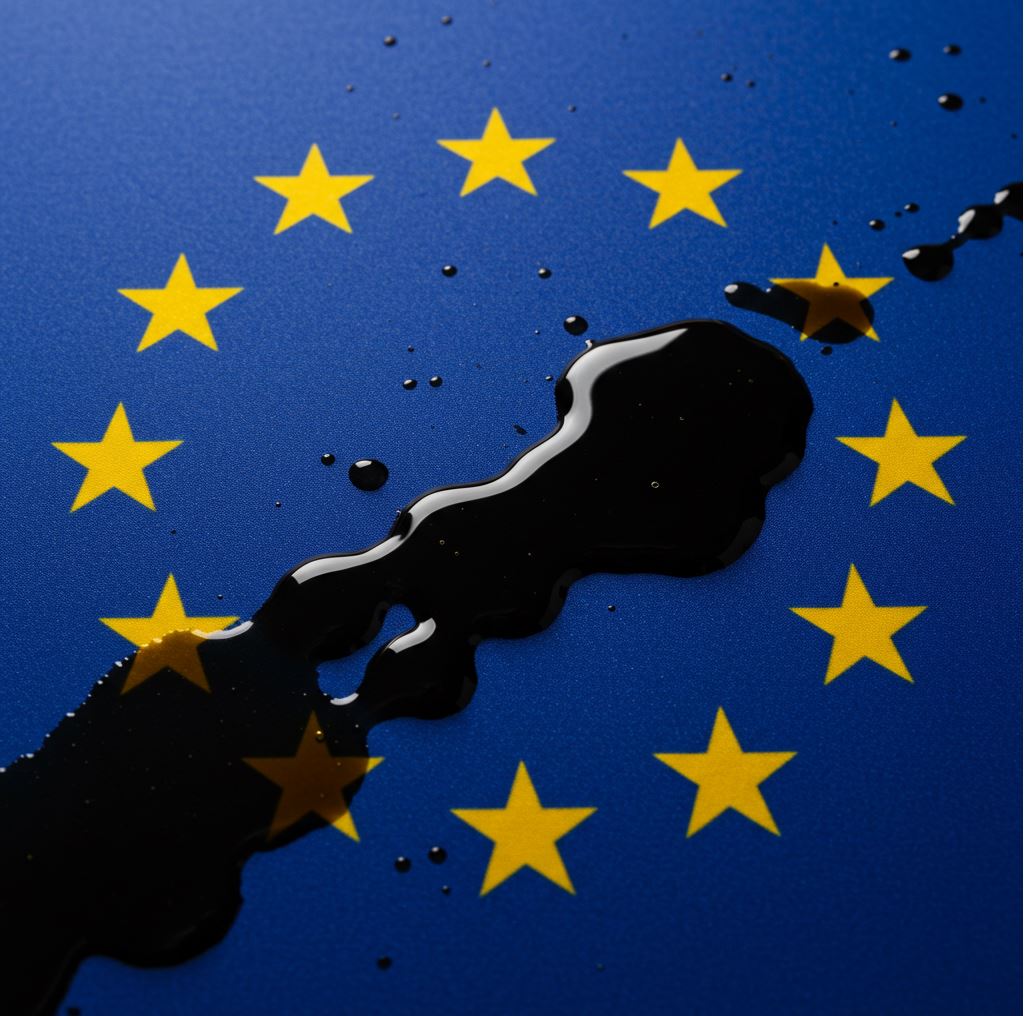
Strategic Implications for Nordic Business
For readers of the Nordic Business Journal, the immediate price hike is a symptom of a larger structural risk. The correlation between energy prices and the Swedish Krona (SEK) remains strong; a weaker SEK combined with high oil prices imports inflation directly into the Swedish economy. This complicates the Riksbank’s interest rate path and increases borrowing costs for capital-intensive industries.
Key Analysis for Decision Makers:
1. Supply Chain Resilience: The threat to the Strait of Hormuz and Red Sea shipping lanes necessitates a review of logistics dependencies. Companies relying on just-in-time delivery should stress-test their supply chains against a 20% fuel surcharge scenario.
2. Hedging Strategies: CFOs in the transport and manufacturing sectors should revisit fuel hedging contracts. Locking in rates, even at a premium, may provide the stability needed for accurate forecasting in Q4 2024 and Q1 2025.
3. The Electrification Accelerator: Paradoxically, high fossil fuel volatility strengthens the business case for fleet electrification. While CAPEX is high, the OPEX stability of electric commercial vehicles offers a hedge against geopolitical oil shocks.
Outlook
US energy policy remains a wildcard, with market watchers analysing how strategic petroleum reserves might be utilized to dampen price rallies. However, reliance on external stabilization is a risky strategy. The consensus among Nordic economists is that businesses must internalize the reality of higher energy baselines.
“The era of cheap, stable diesel is likely behind us,” Bergqvist concludes. “The winners in the next decade will be those who build energy efficiency into their core business models, rather than treating fuel as a variable cost to be managed month-to-month.”
Editor’s Note & Next Steps
Where do we go from here?
In our next issue, we will dive deeper into “The Nordic Hydrogen Economy: Viable Alternative or Distant Dream?” We will analyse the infrastructure investments required to decouple Nordic logistics from oil price volatility and interview leading stakeholders in the green fuel transition.
Connect With Us
Is your organisation developing strategies to mitigate energy risk? We want to hear from you. Share your insights or propose a case study for our upcoming coverage on sustainable logistics.
Contact: editorial@nordicbusinessjournal.com
Follow: @NordicBizJournal on LinkedIn for real-time market updates.