
For months, the consensus among investors and corporate treasurers across the Nordic region has been clear: the era of tight monetary policy is ending. The expectation was a steady descent in interest rates, providing relief to highly leveraged households and businesses. However, recent geopolitical developments and soaring energy prices have introduced a stark new variable into the equation.
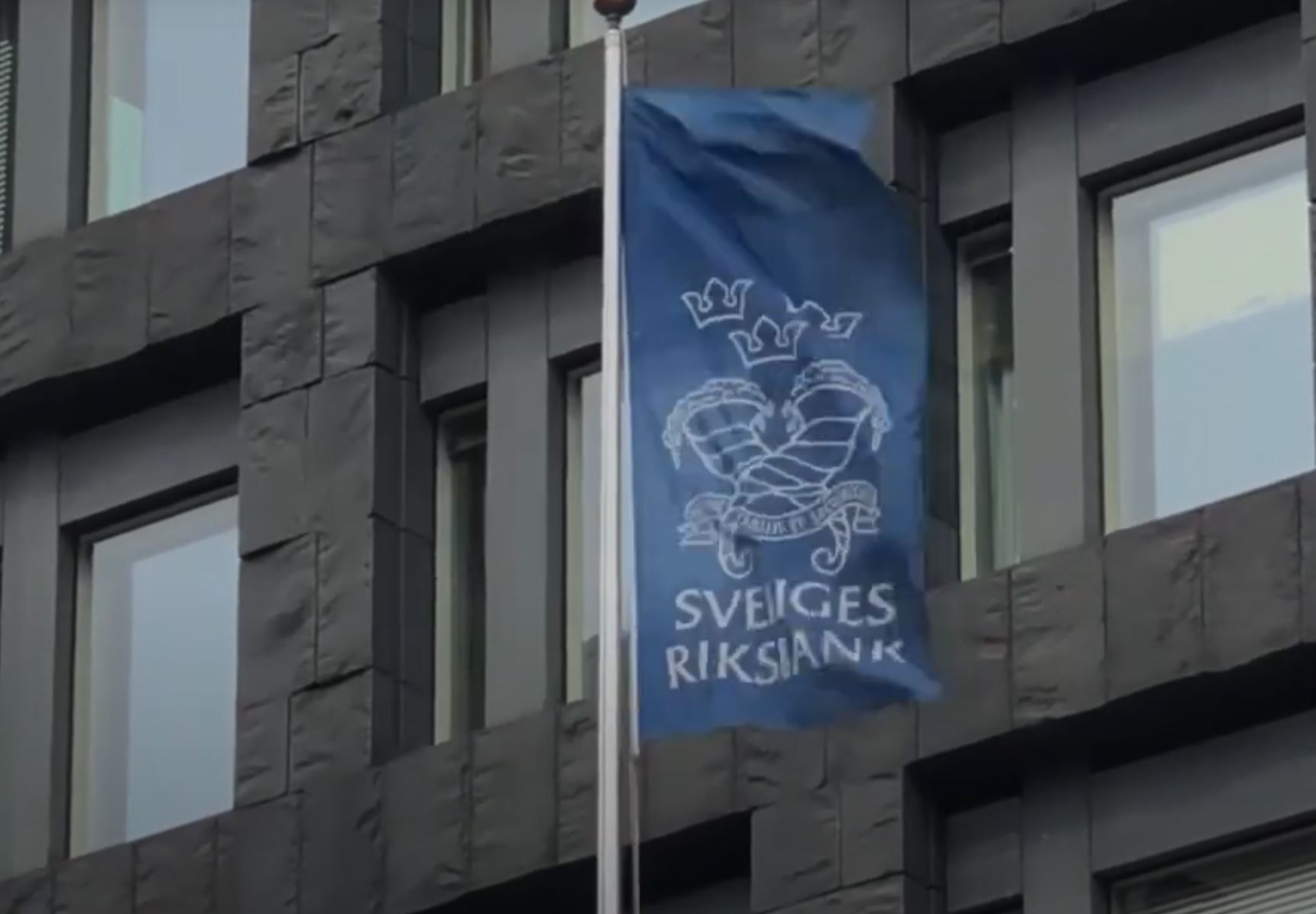
The market narrative is shifting rapidly. Just weeks ago, pricing models suggested a roughly 50 percent probability of the Swedish Central Bank (Riksbank) implementing a rate cut in 2026. Today, that confidence has evaporated. Following recent spikes in crude oil prices, the conversation has pivoted from when rates will fall to if they might rise again.
The Repricing of Risk
“The market has repriced quite significantly,” says Andreas Wallström, Head of Forecasting at Swedbank. “Current indicators suggest an increase from the Swedish Central Bank could be on the table by late 2024, with further adjustments potentially required by 2027.”
This hawkish pivot is driven by the direct correlation between energy costs and inflation. The Riksbank’s primary mandate is price stability, and rising oil prices pose a direct threat to that goal. When energy costs surge, the transmission mechanism to the broader economy is swift and potent.
The Inflation Transmission Mechanism
The impact of oil volatility on the Nordic economy is twofold, affecting both demand and supply sides.
1. Household Purchasing Power: Immediate hikes in fuel prices act as a tax on consumption. Households facing higher costs at the pump have less disposable income for retail and services, which can slow growth. However, if wages rise to compensate, it risks a wage-price spiral.
2. Corporate Cost Push: Perhaps more insidious is the second-order effect. Rising fuel costs increase logistics and production expenses for Nordic exporters and domestic firms alike. Companies often pass these costs to consumers, driving inflation further.
“This effect can be at least as large as the direct consumer impact, and it often comes with a delay,” Wallström notes. “We may not see the full inflationary pressure manifest until the next fiscal year.”
2022 vs. 2024: A Nuanced Comparison
For business leaders, the immediate concern is a recurrence of the 2022 inflation crisis triggered by the war in Ukraine. While the parallels are unsettling, a granular analysis reveals critical differences that suggest caution against overreaction.
Gas Stability: Unlike the 2022 shock, natural gas prices have remained relatively stable, reducing the risk of an industrial energy crisis in Sweden and Finland.
Commodity Breadth: The 2022 crisis saw a broad-based upswing in all commodities. Currently, the pressure is concentrated primarily in energy.
Supply Chain Resilience: Nordic supply chains have adjusted to post-pandemic realities, offering slightly more buffer than in previous years.
“The inflation crisis of 2022 is fresh in my memory,” Wallström admits. “Even then, the risks of individual energy price increases were downplayed. There is such a risk now, but the broader commodity upswing we saw then is not yet present.”
Strategic Analysis for Nordic Leaders
For CFOs and strategists reading this, the implication is not necessarily to panic, but to stress-test assumptions. The baseline forecast may still involve rate cuts, but the risk scenario now involves higher-for-longer rates or even hikes.
Recommended Actions:
Liquidity Buffers: Ensure cash reserves are sufficient to service debt at rates 100–200 basis points higher than current forecasts.
Energy Hedging: Review exposure to variable energy contracts. Locking in rates may be prudent despite the premium.
Pricing Power: Assess your ability to pass on cost increases without eroding volume. In a high-inflation environment, pricing power is the ultimate moat.
The Bottom Line
The Nordic economic outlook remains resilient, but the margin for error has narrowed. The Riksbank will be data-dependent, watching core inflation closely. If oil prices remain elevated, the promise of rate relief may be postponed indefinitely. As Wallström suggests, while we shouldn’t overreact, we must not downplay the risk. In the current climate, vigilance is the cost of stability.
Next Steps & Connection
Coming Up in the Next Issue:
In our upcoming edition, we will dive deeper into “Sector-Specific Resilience: Which Nordic Industries Are Best Hedged Against Energy Shocks?” We will analyse balance sheets across manufacturing, tech, and real estate to identify where the hidden risks lie.
Connect With Us:
Are you navigating interest rate volatility in your organisation? We want to hear your perspective. Share your insights with our editorial team or join the conversation on LinkedIn.
- Contact: editor@nordicbusinessjournal.com
- Follow: @NordicBizJournal