
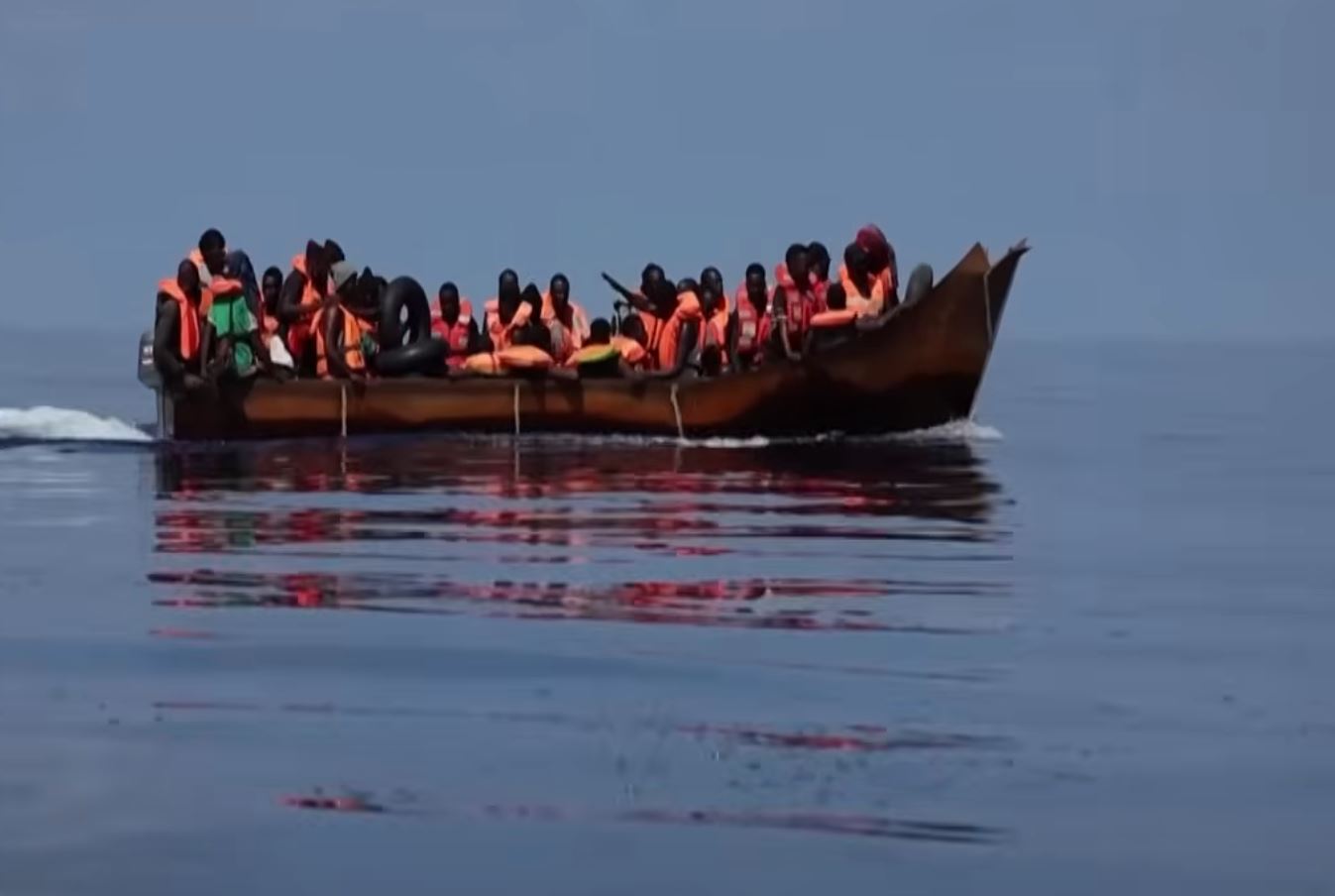
In a heart-wrenching incident in the Mediterranean Sea, 22 migrants tragically lost their lives after being stranded in a rubber boat for six days. The victims died from exhaustion, hunger, and thirst, and the survivors reported that the bodies of the deceased were callously thrown overboard on the orders of the smugglers. This tragedy has raised serious questions about the continued exploitation of vulnerable migrants and the role of smugglers in fueling the ongoing migrant crisis in the Mediterranean.
Incident Overview: The Journey and Its Harrowing Outcome
- The Journey: The rubber boat, carrying 49 migrants, set sail from the Libyan port city of Tobruk on March 21, 2026, with hopes of reaching Greece. The passengers, including men, women, and children, embarked on what would become a fatal journey toward Europe.
- Conditions at Sea: The boat soon lost its bearings, drifting aimlessly in the vast Mediterranean waters. For six long days, the passengers endured unbearable conditions—without food, fresh water, or any sense of direction. The weather was harsh, and the overcrowded boat offered no protection from the relentless sun or the stormy seas.
- The Fatalities: Tragically, 22 people succumbed to the extreme conditions. Reports from the survivors indicated that, at the height of the ordeal, the smugglers who had organized the journey ordered the bodies of the deceased to be thrown overboard, adding to the inhumanity of the situation.
- Rescue Efforts: On March 27, 2026, six days after the boat departed from Libya, the European Border Agency Frontex located the drifting vessel off the southern coast of Crete. The crew rescued 26 survivors, including one woman and one minor, but the tragedy of those who did not survive is an indelible reminder of the perils faced by migrants seeking refuge in Europe.
- Arrests: Greek authorities acted swiftly, arresting two South Sudanese men—aged 19 and 22—who are believed to be the smugglers responsible for organizing the deadly journey. These arrests highlight the growing issue of human trafficking across the Mediterranean and the exploitation of migrants by criminal networks.
The Demographics of the Victims and Survivors
The rescued survivors, brought to the port of Heraklion on Crete, came from diverse backgrounds and nationalities. They included:
- 21 Bangladeshis
- 4 South Sudanese
- 1 Chadian citizen
This tragic event underscores the global nature of the migrant crisis, as people from across Africa, Asia, and the Middle East continue to risk their lives in search of safety, stability, and opportunities in Europe. The journey from Libya is a known route for migrants fleeing conflict and poverty, yet it remains perilously dangerous, with the Mediterranean acting as a graveyard for thousands every year.
A Bleak Start to 2026: The Deadliest Year on Record
This tragedy occurs amid an already alarming start to 2026, which the International Organisation for Migration (IOM) has identified as the deadliest beginning to a year in the Mediterranean since data recording began in 2014. In just the first few months of 2026, the number of deaths has surpassed previous years, highlighting the worsening nature of the crisis.
According to IOM reports, the increasing numbers of fatalities are linked to a rise in the number of migrant journeys being attempted, as well as the escalating brutality of human traffickers and smugglers. Migrants are being forced into ever-more dangerous conditions, including overcrowded and unseaworthy boats, where the risks of dehydration, hunger, and exposure to the elements are extreme.
This escalation in migrant deaths presents a growing humanitarian crisis that demands urgent action. Efforts to combat people smuggling, improve rescue operations, and address the root causes of migration, such as conflict, poverty, and political instability, must be prioritized.
A Call for Reform and Humanitarian Action
This tragedy offers a sobering reminder that the migration crisis is not just a political issue; it is a humanitarian disaster that continues to claim lives at an alarming rate. It highlights the urgent need for:
- Stronger international collaboration to combat human trafficking and reduce the influence of smugglers.
- Enhanced search-and-rescue operations in the Mediterranean, which remain underfunded and under-resourced.
- Addressing the root causes of migration through foreign policy, economic development, and human rights protection in source countries.
As policymakers, NGOs, and the global community continue to grapple with these challenges, it is critical to ensure that the voices of the survivors and their stories are heard, so that we do not repeat the same mistakes. The Mediterranean should not be a graveyard for those seeking refuge, and it is time for decisive action to prevent further tragedies.
Looking Ahead: Follow-Up and How to Engage
In our next article, we will delve deeper into the political and economic factors driving the migration crisis, including the role of European border policies and their impact on migrant safety. We will also explore the ways in which governments and humanitarian organizations can collaborate to create sustainable solutions to this global issue.
For those interested in learning more, we encourage readers to stay connected with us. Share your thoughts, experiences, or suggestions by reaching out to us directly or through our social media platforms. Let’s continue the conversation and work together for a safer and more just future for all.
Connect with us for updates, insights, and future reports on the Mediterranean migrant crisis and international humanitarian efforts.