
In a move that underscores the complex transmission of monetary policy in the Nordics, major lenders including Swedbank and Nordea have adjusted their variable mortgage rates upward by 0.15 percentage points. This adjustment comes even as smaller niche players have already shifted their 3-month pricing, signalling a broader recalibration of liquidity costs across the sector. Meanwhile, SEB and Handelsbanken maintain a strategic silence, declining to comment on whether they will align with this pricing trend.
The Decoupling of Policy and Market Rates
Traditionally, variable mortgage rates in Sweden track the Riksbank’s repo rate closely. However, the current economic landscape reveals a divergence. While the Riksbank initiated a rate cut in May 2024—the first since 2014—bringing the repo rate to 3.75%, short-term market rates (such as STIBOR) remain elevated.
This disconnect is driven by persistent inflationary expectations and geopolitical instability, particularly ongoing tensions in the Middle East and the protracted conflict in Ukraine, which continue to strain supply chains and energy markets. Consequently, fixed-income market participants price in a higher risk premium, forcing commercial banks to adjust mortgage pricing independently of the central bank’s immediate directives.
Last week, specialised lenders such as Landshypotek and Länsförsäkringar Bank led the charge, adjusting their 3-month variable mortgages citing rising short-term market borrowing costs.
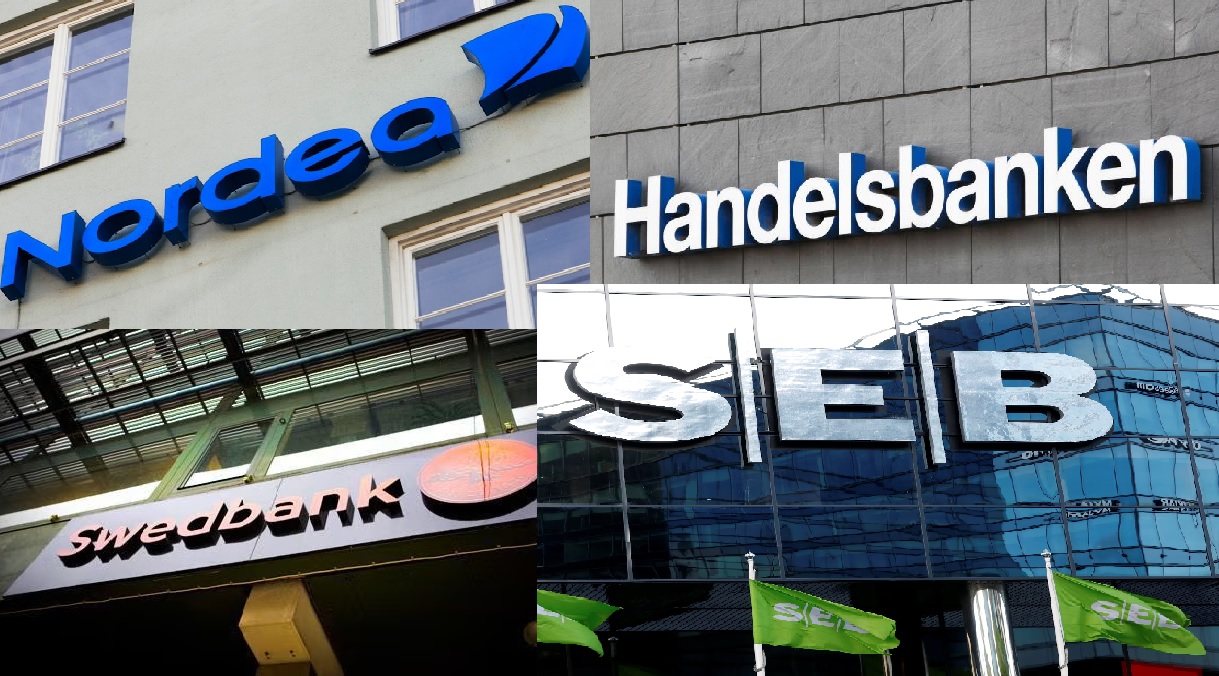
Major Bank Positioning
Danske Bank was the first among the systemic giants to adjust its variable rate last Friday, noting that “short-term market interest rates have risen significantly, increasing borrowing costs sharply.” Swedbank has now followed with a comparable adjustment, setting its new list rate at approximately 4.95 percent. Nordea’s pricing settles near 5.05 percent, while Danske Bank’s adjusted rate stands at 4.89 percent.
Note: Rates reflect current market averages as of mid-2024 and include standard margins.
SEB and Handelsbanken have adopted a wait-and-see approach. In statements to SVT, both institutions declined to comment on competitor movements or disclose their immediate pricing strategies, a common tactic to maintain flexibility in a volatile rate environment.
The Deposit Asymmetry: Protecting Net Interest Margins
A critical analysis of this movement reveals a strategic asymmetry in bank balance sheet management. While mortgage rates are being adjusted upward, interest rates on the most liquid consumer deposits remain stagnant.
Nordea and Swedbank have confirmed a 0.15 percentage point increase on fixed-term savings accounts (3 and 6-month bindings). However, interest on transactional salary accounts and accounts with free withdrawals remains at or near zero. From a corporate finance perspective, this is a deliberate effort to protect Net Interest Margins (NIM).
It is worth noting that “zero-interest” transactional accounts constitute a significant volume of the major banks’ deposit liabilities. By keeping the cost of these deposits low while adjusting asset yields (mortgages), banks are insulating their profitability against market volatility.
Niche players show divergence here as well: Landshypotek has raised rates on free-withdrawal accounts, whereas Länsförsäkringar has restricted increases to fixed-term deposits of six months or longer. This suggests a segmentation strategy where liquidity-heavy deposits are priced differently than stable capital.
Strategic Implications for Business Leaders
For CFOs and business leaders in the Nordic region, this pricing dynamic offers three key takeaways:
1. Cost of Capital Volatility: Reliance on variable-rate debt exposes corporate and household balance sheets to market rate fluctuations that may not align with central bank policy. Hedging strategies should be reviewed.
2. Consumer Liquidity: The asymmetry in deposit rates means household disposable income is being squeezed from both sides (higher mortgage costs, stagnant savings yield). This may dampen B2C consumption in the coming quarters.
3. Bank Liquidity Health: The willingness of banks to adjust rates independently suggests they are prioritising liquidity stability over market share growth in the short term.
Editor’s Note: Where to Go From Here
Follow-Up Direction:
In our next issue, we recommend diving deeper into the Nordic Consumer Confidence Index. As mortgage rates decouple from the Riksbank’s repo rate, the impact on household disposable income will be the leading indicator for retail and service sector performance. We advise readers to monitor how this margin pressure translates into consumption data for Q3 2024.
Connect With Us:
Are you navigating interest rate risk in your organisation? We want to hear your perspective.
Contact: editor@nordicbusinessjournal.com
LinkedIn: linkedin.com/company/Nordic-business-journal
Subscribe: www.nordicbusinessjournal.com/subscribe
Stay ahead of the Nordic market curve.