
The incident highlights growing risks for NATO’s newest member as electronic warfare disrupts precision targeting—and creates liability questions for critical infrastructure operators
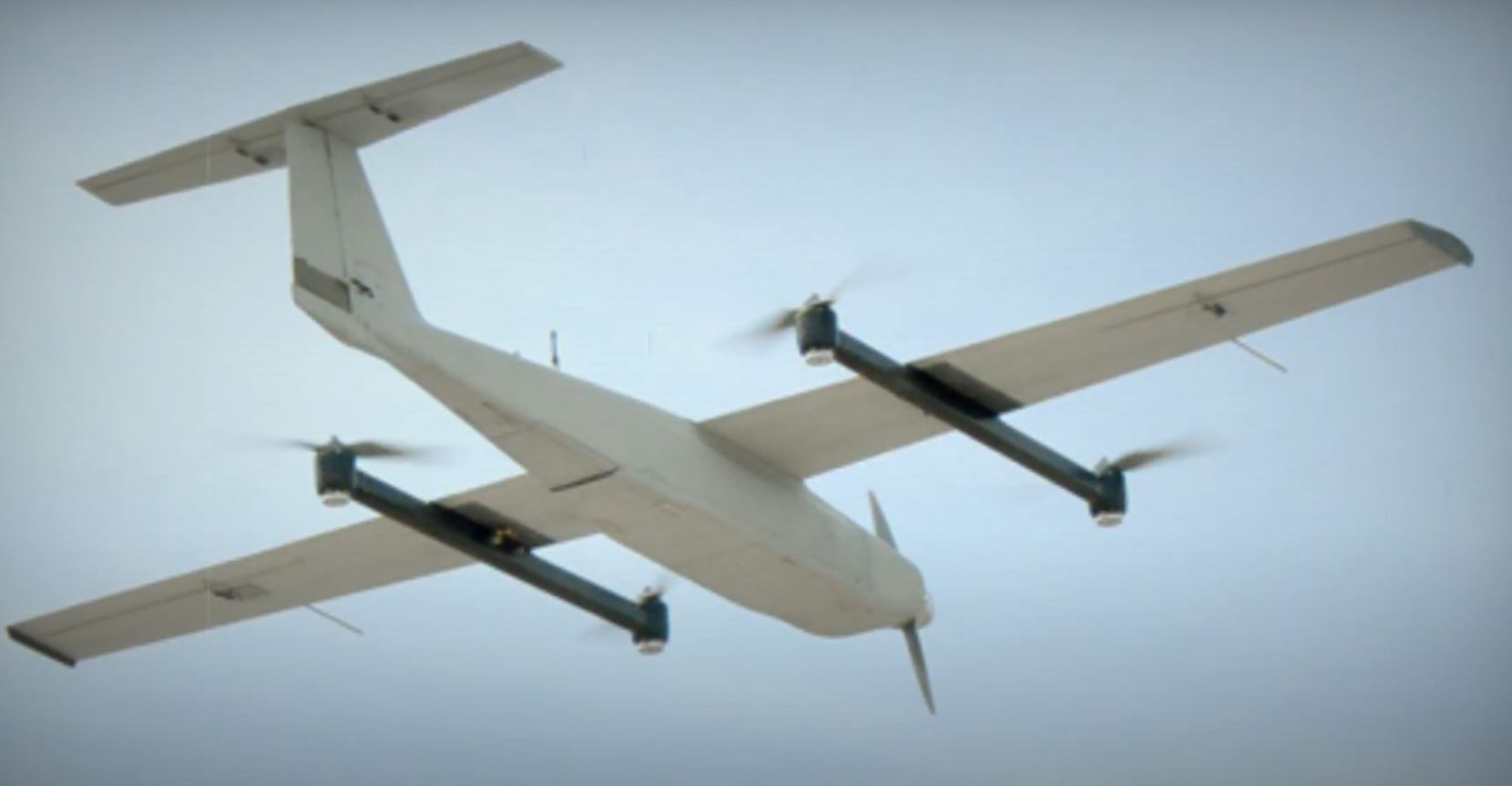
On a quiet Sunday morning in southeastern Finland, Päivi Kähkönen watched Finnish F/A-18 Hornet fighter jets scream low over her farm in Oravala, a village near the military airbase at Utti. “They’re getting a little too close,” she told Helsingin Sanomat after learning that a military drone—armed and Ukrainian—had crashed near her property, just 50 kilometres from the Russian border.
Her horses and dogs, she noted, remained unbothered. “They have no natural enemies from the air, and they are more afraid of the mailbox than of airplanes.”
The same could not be said for Nordic security planners.
By the time Kähkönen spoke to reporters, two Ukrainian attack drones had crashed on Finnish soil—one north of Kouvola, another east of the city—marking the first direct spillover of the Ukraine war into Finnish territory since Russia’s full-scale invasion began over four years ago. The drones, believed to be en route to strike Russian oil infrastructure across the border, were knocked off course by Russian electronic warfare systems, according to both Ukrainian and Finnish officials.
The Strategic Context: Baltic Energy Infrastructure Under Pressure
The timing was not coincidental. The crashed drones were part of an intensified Ukrainian campaign against Russian oil export facilities along the Baltic Sea coast. On the same Sunday morning, Ukraine’s Security Service (SBU) confirmed strikes against the Ust-Luga oil and gas terminal—the second attack on that facility in a week—while earlier strikes had hit the Kirishi refinery in Leningrad Oblast, which borders Finland.
These attacks have already inflicted substantial damage on Russia’s ability to export energy through Baltic ports. The Russian oil terminals at Primorsk and Ust-Luga—both within striking distance of Finnish territory—have suffered repeated hits, disrupting flows that once underpinned regional energy security.
For Nordic business leaders, this creates a complex risk matrix. The same GPS jamming that diverted drones into Finland is now routine along the 1,340-kilometer Finnish-Russian border, according to Prime Minister Petteri Orpo. Finnish authorities have observed Russian electronic warfare activity escalating since Helsinki’s NATO accession in April 2023, but the business implications—supply chain disruptions, insurance liabilities, airspace closures—are only now becoming tangible.
A Pattern of Incidents Across the Baltic
Finland was not alone. In the same week, Estonia, Latvia, and Lithuania all reported Ukrainian drones crashing on their territories after straying from attacks on Russian targets. The pattern suggests a systemic vulnerability: as Ukraine expands its long-range drone capabilities to compensate for limited artillery supplies, and as Russia intensifies electronic warfare to counter them, NATO’s eastern flank is experiencing unintended collateral effects.
The European Union has taken note. While expressing concern over the territorial violations, EU officials emphasized that “Russia is to blame” for creating the conditions through its jamming operations. This diplomatic framing matters for businesses: it positions the incidents as downstream effects of Russian aggression rather than Ukrainian recklessness, potentially influencing liability discussions and insurance claims.
Operational Details: What We Now Know
Finnish authorities have released significant new information since the initial reports:
– The drones were armed. Police confirmed that at least one crashed drone carried a warhead, though no detonation occurred and no injuries or property damage were reported. This raises the stakes for future incidents—particularly given that the crash sites were secured by police for specialized military investigation.
– Air defence protocols activated. The Finnish Defence Forces scrambled F/A-18 Hornets for identification missions, with surveillance patrols continuing for approximately an hour over southeastern Finland. Finnish President Alexander Stubb emphasized that “there is no military threat to Finland” and that authorities reacted immediately.
– Ukrainian accountability. The Ukrainian Foreign Ministry, through spokesman Georgiy Tykhy, issued a formal apology to Helsinki on Monday, March 30, explicitly stating that “under no circumstances were any Ukrainian drones directed toward Finland.” The Ukrainian embassy in Finland reinforced this position, attributing the diversion to Russian electronic interference.
Business Implications: Insurance, Infrastructure, and Supply Chains
For Nordic Business Journal readers, this incident opens several analytical avenues:
Critical Infrastructure Exposure. Finnish energy, logistics, and transportation companies operating near the Russian border must now factor drone incursions into risk assessments. While the probability of direct strikes remains low, the potential for debris, emergency airspace closures, and military response protocols creates operational uncertainty. Companies with facilities in southeastern Finland should review business continuity plans.
Insurance and Liability Frameworks. The presence of armed military drones in civilian airspace—however unintended—tests existing insurance structures. Are drone crashes covered under standard property policies, or do they trigger war-risk exclusions? The EU’s attribution of blame to Russia may support claims, but the legal precedents remain untested.
Supply Chain Resilience. The attacks on Russian Baltic ports are already disrupting regional energy flows. As Ukraine continues targeting Russian export infrastructure, alternative routes through Nordic ports may see increased demand—creating both opportunity and congestion risk for logistics operators.
Defence Spending and Procurement. Finland’s rapid air force response demonstrates the value of sustained military investment. For defence contractors and technology providers, the incident underscores demand for counter-drone systems, electronic warfare detection, and enhanced airspace monitoring—capabilities Finland and its NATO allies are actively procuring.
Diplomatic Management: Crisis Averted, Questions Remain
Finnish Prime Minister Orpo’s measured response—characterising the situation as “not desirable” while emphasizing preparedness—reflects Helsinki’s delicate position. As a NATO member bordering Russia, Finland must balance solidarity with Ukraine against the practical realities of territorial integrity.
The Ukrainian apology, accepted by Finnish authorities, has prevented diplomatic escalation. However, the incident serves as a practical test of NATO Article 5 thresholds: while clearly not an armed attack by Ukraine, the violation of Finnish airspace by military assets required coordinated alliance consultation.
For businesses, the diplomatic resolution is reassuring, but the underlying dynamics persist. Russian electronic warfare capabilities will continue to expand, Ukrainian drone operations will likely intensify as the war continues, and the Baltic region will remain a contested operational environment.
Looking Ahead: Follow-Up Coverage
For our next issue, Nordic Business Journal will examine:
– The emerging “drone insurance” market: How Nordic insurers are developing products to cover unmanned aerial vehicle risks in contested airspace, and what premiums businesses near military corridors can expect.
– Finland’s counter-drone procurement pipeline: Exclusive analysis of Finnish Defence Forces requirements for electronic warfare detection and neutralisation systems, and which Nordic defence contractors are positioned to supply them.
– Baltic Sea energy rerouting: A deep-dive on how sustained attacks on Russian ports are reshaping regional oil and gas logistics, with implications for Finnish, Estonian, and Swedish terminal operators.
Connect with us:
Nordic Business Journal invites readers with direct experience of these incidents—whether as facility operators near affected areas, defence contractors, or logistics professionals—to share insights for our follow-up reporting. Contact our editorial team at editorial@nordicbusinessjournal.com or connect via LinkedIn to contribute to our ongoing coverage of security risks in the Nordic business environment.
This article was compiled from official statements by the Finnish Ministry of Defence, the Ukrainian Foreign Ministry, and on-the-ground reporting from Kouvola. All times referenced are Eastern European Time (EET).