
In January 2023, a new military service law was quietly enacted in Germany, requiring all men between the ages of 17 and 45 to request permission from the German army before leaving the country for extended periods—specifically for stays longer than three months. This law, which aims to bolster Germany’s military readiness, has sparked growing debate in the media, particularly after reports surfaced in outlets like Der Spiegel and the BBC.
While the law is now in force, the details surrounding its enforcement remain murky. German Defence Ministry officials have confirmed that the rule is indeed operational, but how rigorously it will be implemented is still unclear. According to a ministry spokesperson, the law aims to maintain awareness of who is abroad for extended periods in case of emergency situations, noting that, with military service now voluntary in Germany, permission to travel abroad is typically granted without issue.
However, the ambiguity surrounding the law raises questions about its practical implications. How will violations be monitored and punished? What specific procedures will men need to follow to obtain permission? These questions remain unanswered, as the ministry has refused to disclose details on the number of men who have sought approval to travel outside Germany or how violations of the law will be handled. One thing is clear: the law, which has its roots in Cold War-era policies, has been designed with a nod toward maintaining national security during times of geopolitical uncertainty.
The Bigger Picture: Germany’s Military Strategy in the Face of Russian Aggression
The introduction of this law is part of Germany’s broader efforts to strengthen its military in response to the changing geopolitical climate, particularly following Russia’s invasion of Ukraine in 2022. The invasion has highlighted vulnerabilities in Europe’s defence infrastructure, forcing Germany to reconsider its military posture and the adequacy of its armed forces.
In addition to this travel law, Germany has implemented several measures aimed at boosting its military capacity. These include plans to expand the armed forces to 260,000 active-duty soldiers by 2035—a significant increase from the current force of around 180,000. To meet this goal, Germany is focusing on attracting volunteers, both men and women, to join the military.
However, the country is facing a difficult recruitment challenge. The prospect of mandatory conscription for men born after 2008 remains a possibility if voluntary enlistment numbers fall short. But under Germany’s constitution, women are exempt from compulsory military service, and any future conscription would be limited to men. The question remains: will Germany be able to recruit enough volunteers to meet its defence objectives, or will it be forced to reinstate conscription?
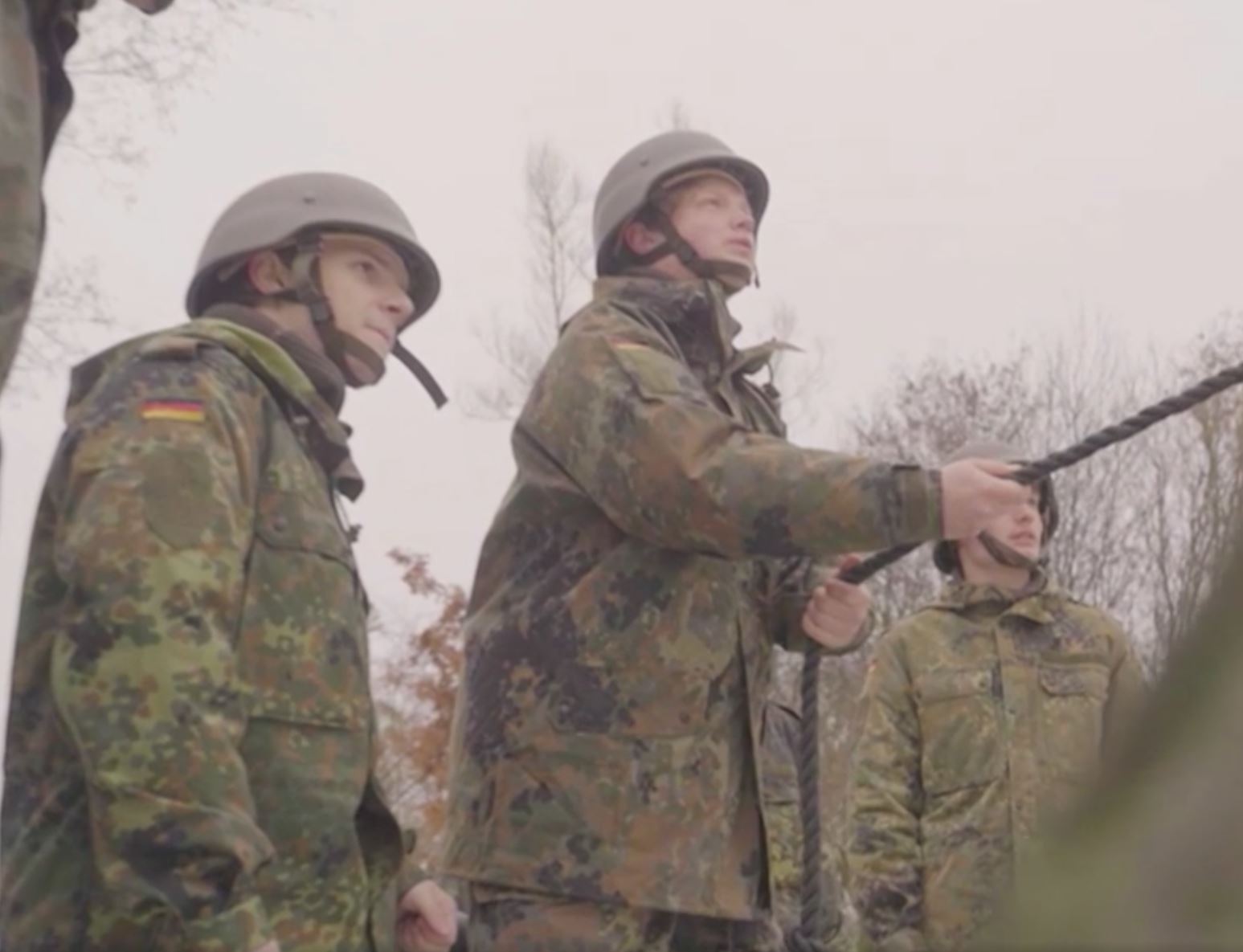
Challenges in Recruitment: Five Key Obstacles
Germany’s efforts to strengthen its military have been undermined by several persistent challenges, despite the urgency created by Russia’s aggression in Ukraine. Here are five key reasons why bolstering Germany’s army has proven so difficult:
- Public Reluctance to Serve: Germany has a long history of voluntary military service. The idea of conscription has largely fallen out of favour since the Cold War. Many Germans remain deeply sceptical about increasing the size of the military, with the country’s pacifist sentiment still influencing attitudes toward military service.
- Economic Considerations: The German economy has long been oriented toward peace-time prosperity rather than military readiness. Investment in defence has historically been seen as less urgent than other domestic priorities like healthcare and infrastructure. The result is an underfunded military that struggles to modernize its equipment and attract enough recruits.
- Global Security Shifts: The role of NATO and the U.S.’s defence commitments have shifted over the years. With the U.S. increasingly focused on other global hotspots, Germany and other European nations now face greater responsibility for their own defence. However, this shift has not been accompanied by a corresponding increase in defence budgets or recruitment.
- Generational Disconnection: Younger Germans, especially those under 30, have little historical context for military service and may not view it as a necessary or desirable career path. The legacy of World War II, coupled with the post-Cold War period of peace and stability, has led to a disconnection from the military’s role in national security.
- Political Divisions: The political landscape in Germany is deeply divided on the issue of military expansion. While some parties advocate for a stronger defence posture, others remain wary of militarization. This division has contributed to inconsistent defence policies and a lack of clear direction regarding Germany’s future military commitments.
The Road Ahead: Germany’s Strategic Shifts and NATO’s Evolving Role
The developments in Germany’s military service law and the country’s broader defence strategy are indicative of Europe’s changing security dynamics. The war in Ukraine has not only exposed the fragility of Europe’s defence infrastructure but also triggered a re-evaluation of NATO’s role. As Germany faces a shortage of troops and attempts to rebuild its military, NATO’s strategic focus is shifting toward greater European responsibility for defence. The question now is whether Germany can modernise its military to meet the demands of the 21st century.
In the coming months, we will continue to explore Germany’s military reform efforts, as well as how the rest of Europe is responding to the growing threat posed by Russia. What lessons can be learned from Germany’s struggles? And how can other European nations avoid similar pitfalls?
Looking Ahead: What’s Next?
In our next article, we will dive deeper into the specific challenges faced by other European nations in their efforts to modernise their defence forces. With NATO’s evolving role and the increasing militarization of the continent, we will examine how other countries are navigating similar recruitment issues, defence spending cuts, and political tensions over military readiness.
Connect With Us
We invite our readers to share their thoughts on Germany’s new military service law and the broader trends in European defence policy. For further analysis and updates, stay connected with us through our social media channels, or reach out directly to our editorial team for inquiries and feedback. Your voice is invaluable as we continue to explore these critical issues.