
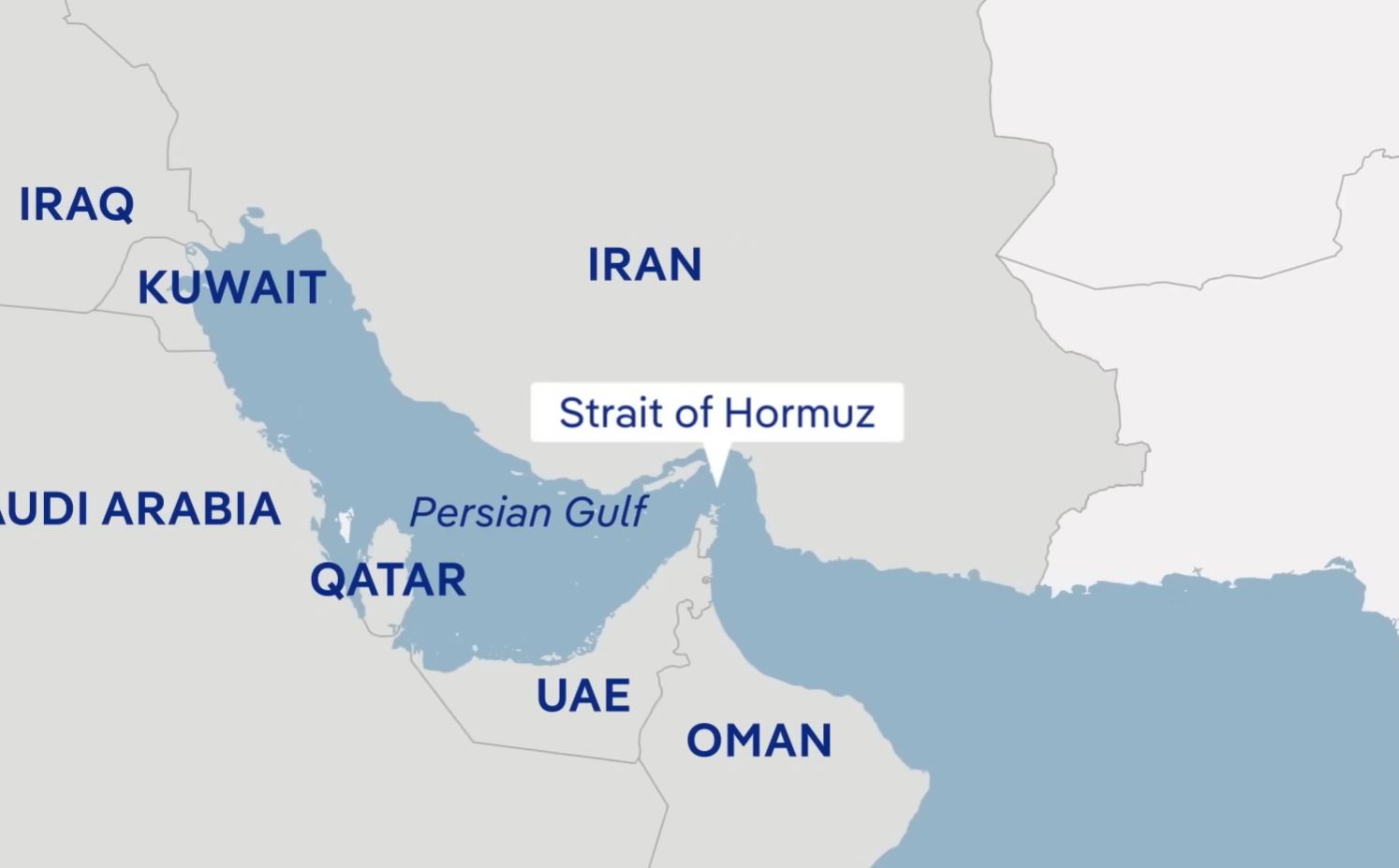
Gothenburg, 17 April 2026 — After seven weeks of effective closure, Iran says the Strait of Hormuz is “completely open” to commercial vessels for the remainder of the current ceasefire period, Foreign Minister Abbas Araghchi posted on X today.
The announcement follows a fragile two-week truce between Iran and the United States that began 8 April 2026, and a separate ten-day ceasefire between Israel and the Lebanese government that started overnight. U.S. President Donald Trump thanked Iran on Truth Social: “Iran has just announced that the Strait of Hormuz is completely open and ready for passage. Thank you!”
Yet for Nordic shippers, energy traders and manufacturers, “open” comes with asterisks.
1. The strait isn’t open to everyone — yet
Despite the ceasefire, transit remains heavily restricted to “non-hostile vessels” that coordinate directly with Iran. Since the U.S.-Israeli strikes on Iran began 28 February 2026, Tehran has used a blockade, sea mines, and secret VHF signals to control passage.
Who’s getting through today:
- Iran-aligned tankers: Vessels linked to China, India, Russia and Iran’s own oil trade are transiting or staging for transit. Two Indian-flagged LPG tankers, BW Elm and BW Tyr, passed this month.
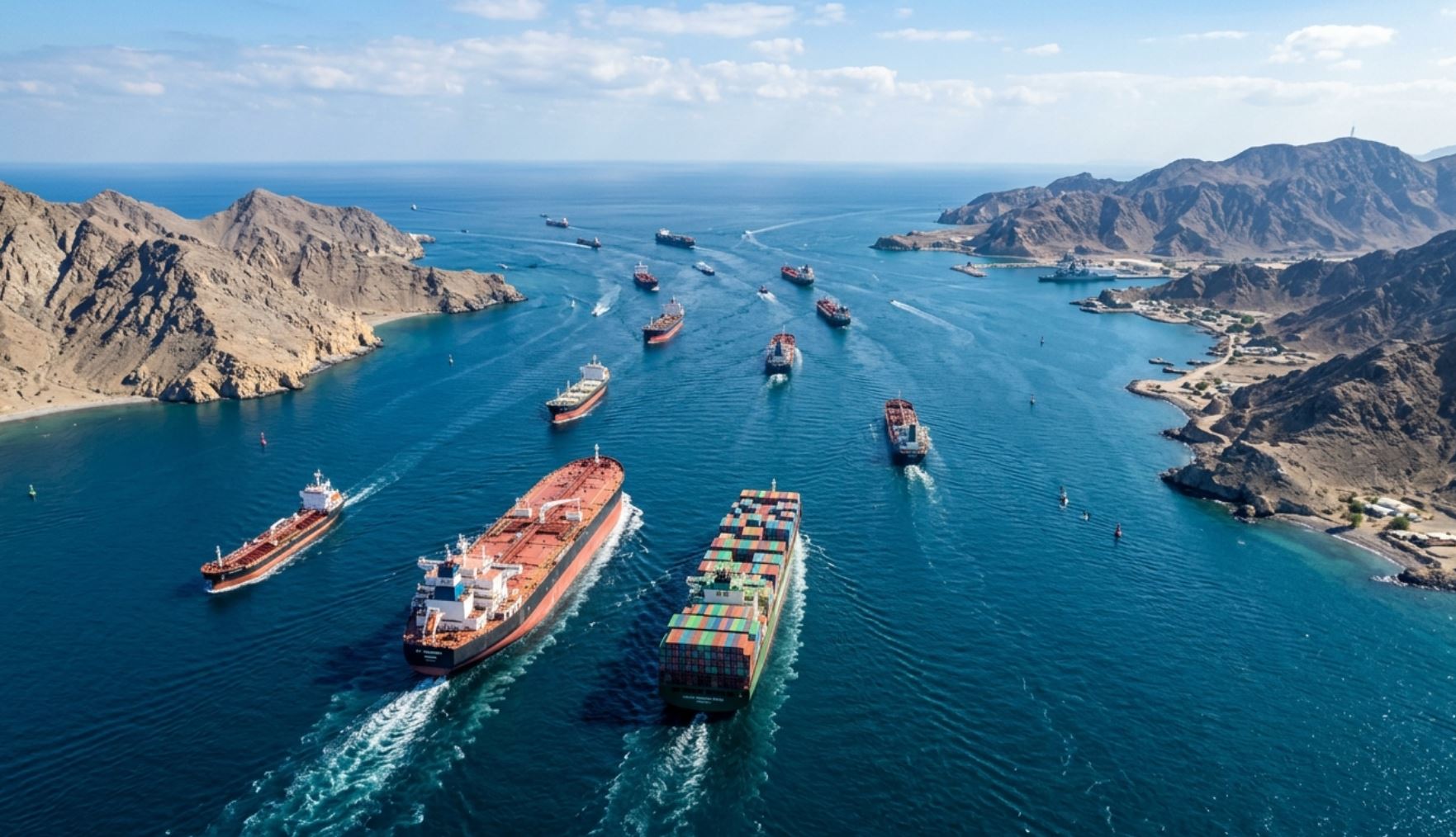
- Everyone else: Over 400 tankers, 34 LPG carriers and 19 LNG vessels remain queued in the Gulf as of Wednesday. More than 100 cargo vessels moved through daily pre-war; only 90 have transited since.
The U.S. Maritime Administration still warns that “risks of Iranian attacks against commercial shipping remain high” and advises U.S.-flagged vessels to stay 30 nm from U.S. warships.
2. Market impact: Relief, but not a reset
The initial closure cut off a chokepoint that handles ~20% of global oil and LNG. Brent spiked, freight surged, and Maersk imposed emergency surcharges up to $3,800 per container in March.
Today’s announcement triggered a 9% drop in Brent to $90.5/bbl and lifted the Stoxx 600 by 0.8%, per Financial Times reporting. But analysts warn the rebound will be slow.
Why Nordic executives should temper expectations:
| Factor | Status Today | Business Impact for Nordics |
| Transit volume | ~9 ships/day vs. 130 pre-war | Supply chains still rerouting via Red Sea/Africa. Expect 3-6 months to normalise |
| Insurance | Chubb now offers war-risk cover for Hormuz, backed by $20bn U.S. reinsurance plan | Premiums remain high; coverage conditional |
| Geopolitics | U.S. naval blockade on Iran imposed 13 April after “Islamabad Talks” failed | Ceasefire “shaky”; shippers distrust safety guarantees. |
| Alternative flows | Saudi exports shifted to Red Sea port Yanbu; Red Sea traffic up ~33% | Opportunity for Nordic logistics firms in Jeddah/Yanbu, but Red Sea faces Houthi risk |
3. Valuable analysis: Three moves for Nordic leaders
1. Recalculate Q2-Q3 energy budgets, not FY26: Brent may hover $85-$95 while physical supply stays constrained. The “open” strait is mostly psychological until >50 vessels/day resume. Asian buyers are already bidding for Russian crude, which will keep pressure on North Sea differentials.
2. Audit Hormuz exposure in your contracts: Many force majeure clauses trigger on “closure” but not “restricted access.” If your supplier claims the strait is open, you may lose legal cover even if your vessel can’t get clearance. Renegotiate to include “de facto navigability” metrics.
3. Watch India, China, and insurance as leading indicators: India has 20+ ships still stuck, including 5 LPG carriers, and faces its worst gas crisis in decades. When Indian and Chinese tankers transit freely without secret signals, the strait is truly reopening. Likewise, when war-risk premiums drop below 0.5% of hull value, insurers believe it.
4. Update to current times: What changed since February
- Feb 28: U.S.-Israel strikes on Iran; Iran closes strait, citing attacks.
- Mar 4: Iran declares strait “closed,” begins attacks on ships.
- Mar 19: U.S. launches aerial campaign to reopen strait; Israel assassinates IRGC naval commander.
- Apr 8: U.S.-Iran ceasefire announced.
- Apr 13: U.S. imposes naval blockade on Iran after talks fail.
- Apr 17: Iran declares strait open during ceasefire, on “coordinated route”.
Cruise and container lines have already scrapped 2026-2027 Middle East seasons. MSC moved its 7,000-passenger World Europa from Dubai to the Caribbean. Don’t expect that capacity back soon.
Bottom line for Nordic Business Journal readers: This is de-escalation, not resolution. Price relief is real, but physical supply and maritime risk are not. Plan for a “two-track” Hormuz: friendly flags move, others wait. Your Q2 margins just got breathing room; your Q3 logistics still need Plan B.
Next Steps & Connect
Follow-up direction: In our May issue, Nordic Business Journal will publish a deep-dive: “Red Sea vs. Cape: The New Math of Nordic-Asia Trade Post-Hormuz.” We’ll model landed costs under three scenarios and interview Maersk, Wallenius Wilhelmsen, and Chubb on war-risk evolution.
Connect with us: Are your vessels, contracts, or energy hedges exposed to Hormuz volatility? Share your case study or data with our editorial team at insights@nordicbusinessjournal.com. For real-time alerts on shipping chokepoints, follow Nordic Business Journal on LinkedIn and join our CEO Roundtable on 29 April: “Navigating Geopolitical Supply Risk.”