
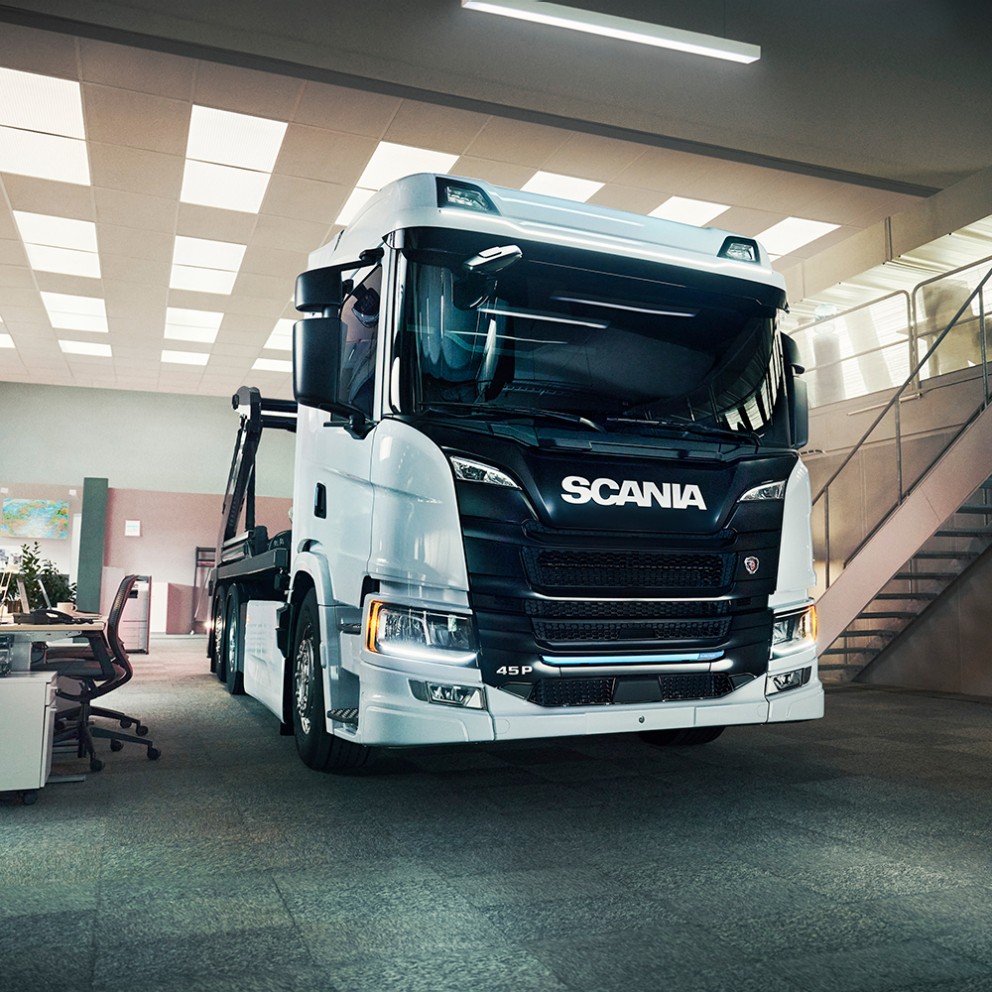
In a bold move towards accelerating its transition to sustainable transport, the Swedish Social Democrats have proposed an additional 200 million kronor in the spring amendment budget to support the uptake of heavy electric trucks. This step comes as part of Sweden’s broader ambition to decarbonize its transport sector and align with its climate goals for 2045. The proposal aims to address two critical areas: the adoption of electric vehicles in the commercial sector, particularly heavy-duty trucks, and the expansion of support for private consumers purchasing electric cars.
The Growing Need for Electric Heavy Trucks
Sweden’s logistics and freight sectors are among the largest contributors to its carbon footprint. Heavy trucks, which transport goods across the country, are significant emitters of greenhouse gases. By incentivizing the shift from diesel to electric, Sweden hopes to not only reduce emissions but also establish itself as a leader in the electric vehicle (EV) market for freight. The 200 million kronor in additional funding will support businesses in adopting zero-emission vehicles, which tend to have a higher upfront cost compared to their diesel counterparts, despite lower long-term operating costs.
The expansion of EV infrastructure is critical to this transition. The proposal comes at a time when Sweden has already made substantial investments in charging infrastructure, but it remains crucial to ensure that these investments keep pace with the increasing adoption of electric trucks. The funding aims to fill this gap, enabling more companies to make the switch to electric trucks without bearing the full financial burden themselves.
Expanding Support for Private Electric Car Buyers
Alongside the focus on commercial vehicles, the Social Democrats are advocating for a broadened electric car premium for private individuals. The goal is to make electric vehicles more accessible to the average Swedish consumer. This measure would likely benefit lower- and middle-income households that may otherwise struggle with the initial cost of an EV, despite the savings in fuel and maintenance over time.
By increasing the scope of the electric car premium, Sweden could accelerate its goal of having a fleet of 5 million electric vehicles on the roads by 2030. Given that Sweden’s population is just over 10 million, achieving this target would be a significant accomplishment in reducing overall carbon emissions.
Analysis: What’s at Stake?
The proposal by the Social Democrats could have far-reaching implications for Sweden’s transport policy and its role in global climate leadership. However, it also faces some challenges. The expansion of support for electric trucks may be a step in the right direction, but it will require careful implementation to ensure that it reaches the most promising areas of the freight sector. For example, while urban areas might see faster adoption due to better access to charging infrastructure, rural areas may face hurdles. There’s also the issue of existing industries being resistant to change due to the higher initial costs of electric trucks and the need for adequate infrastructure in remote areas.
In terms of private electric car ownership, expanding the electric car premium could make electric cars more attractive to a broader demographic, but Sweden’s ability to support a nation-wide transition will depend on tackling the country’s electricity grid capacity. If not upgraded to handle the additional load from charging stations, Sweden may encounter grid stability issues, particularly in rural areas or regions with higher EV adoption.
Moving Forward: Future Outlook
The proposal represents a significant leap towards achieving Sweden’s climate targets, but it also underscores the ongoing challenges of electrifying both the heavy transport sector and personal car ownership. To ensure the success of this policy, Sweden must consider further incentives for infrastructure development, including charging stations in more remote areas, and provide additional incentives for businesses to adopt electric trucks at scale.
Next Steps for Sweden’s Transport Sector
The next phase for Sweden will involve robust discussions in parliament, potentially paving the way for legislation that sets clearer goals for the integration of electric trucks into the national transport system. Beyond the immediate policy push, Sweden’s focus should remain on creating a balanced and sustainable approach that integrates policy, infrastructure, and market needs.
Join the Conversation
As Sweden moves towards its ambitious climate goals, there will be many opportunities to discuss how these changes affect the broader European market and how other countries can learn from Sweden’s experiences. Stay tuned for our next issue, where we will dive deeper into the role of infrastructure development in achieving net-zero emissions across Europe. Readers are encouraged to reach out with thoughts and questions on Sweden’s electric truck initiative and its broader impacts on the future of sustainable transport.