
The Incident: What We Know
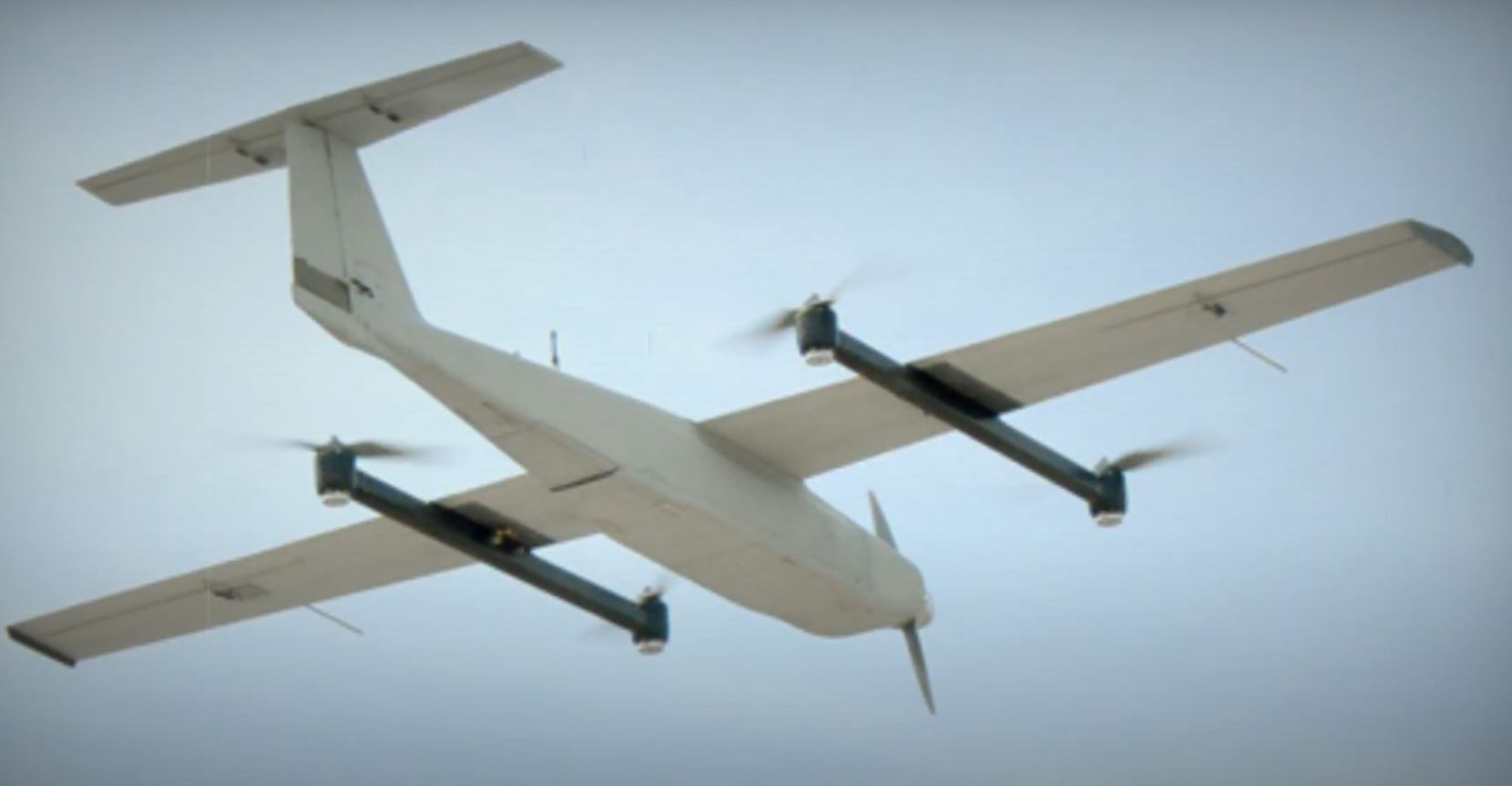
On the morning of March 29, 2026, the Finnish Air Force detected an unmanned aerial vehicle (UAV) in eastern Finnish airspace near Vederlax, approximately 200 kilometres west of St. Petersburg and close to the Russian border. The drone was tracked for several hours before Finnish authorities confirmed at 08:30 that it had exited national airspace. The incident is being formally investigated as an airspace violation.
Witnesses reported low-flying fighter jets in the region, and a Yle journalist described being awakened around 04:00 by “two clear, loud bangs followed by a shock wave that made the cabin’s windows shake”. The Finnish Air Force Scrambled F/A-18 Hornets on identification missions, underscoring the seriousness of the breach.
This was not an isolated event. Simultaneously, Estonia and Latvia issued general warnings about suspicious drone activity in their eastern territories. The Latvian Defence Forces declared a “potential threat,” sending text messages to residents advising them to stay indoors until the danger passed.
Context: The Pattern of Spillover
To understand the significance of this incident, one must view it within a broader pattern that has emerged across the Baltic region since early 2026.
March 2026 marked a watershed moment. Between March 23 and 25, stray Ukrainian drones crashed in Estonia, Latvia, and Lithuania during Kyiv’s largest coordinated strike campaign against Russian Baltic Sea energy infrastructure. In Estonia, a Ukrainian drone struck the chimney of the Auvere thermal power plant. In Latvia, another exploded in the Kraslava district. In Lithuania, a third crashed in the Varena district.
These incidents followed strikes that knocked approximately 40% of Russia’s crude oil export capacity offline—roughly 2 million barrels per day—after attacks on the Primorsk and Ust-Luga ports.
By late March, the situation escalated further in Finland itself. On March 29–31, at least three Ukrainian drones crashed in southeastern Finland, one near Kouvola north of the city and another to the east. Finnish Prime Minister Petteri Orpo confirmed the drones were likely Ukrainian, and Defence Minister Antti Häkkänen stated that security authorities reacted immediately.
The Ukrainian government apologized, with Foreign Ministry spokesperson Georgiy Tykhy stating: “Under no circumstances were any Ukrainian drones directed toward Finland. The most likely cause is interference from Russian electronic warfare systems”.
Then came April. On April 12, a fourth Ukrainian drone—this one equipped with an active warhead—crashed in Iitti, approximately one kilometre from residential buildings. Finnish Brigadier General Markku Viitasaari, head of the National Defence unit, described the situation bluntly: “Flying drones with explosives into Finland is a serious signal of problems in the country’s surveillance system”. Finnish Defence Minister Antti Häkkänen conveyed directly to his Ukrainian counterpart that “UAVs should not fly into the territory of Finland or other NATO countries”.
The Business Analysis: Why This Matters
For Nordic Business Journal readers, these incidents represent far more than a security curiosity. They signal a fundamental shift in the risk landscape for businesses operating in Northern Europe.
1. Airspace as a Contested Commodity
The Baltic Sea region—once a stable corridor for aviation, maritime logistics, and energy transport—is now an active theatre of electronic and kinetic warfare. GPS jamming and signal spoofing have degraded navigation integrity across the region. Lithuania has recorded a 22-fold increase in GPS spoofing incidents over the past year, while Estonia reports that 85% of civil flights have experienced signal interference.
Business implication: Companies dependent on precise geolocation data—shipping, aviation, agriculture, construction, and logistics—face an emerging operational risk that traditional insurance may not cover. Maritime insurers have already begun reassessing risk premiums for Baltic Sea routes.
2. Critical Infrastructure Under New Threat
The Auvere power plant strike in Estonia demonstrated that kinetic spillover can directly impact energy infrastructure. Finland’s own drone crashes occurred within 30 kilometres of Highway 6, a critical freight corridor to Kotka port.
Business implication: Under the EU’s NIS2 Directive, operators of essential services must report security incidents within 24 hours. The question of whether a stray military drone strike qualifies as a reportable incident is now being actively debated by compliance teams across the region. Organisations with Baltic operations should audit their incident response protocols immediately.
3. Insurance Markets Are Recalibrating
Marsh Finland has indicated that corporate drone insurance premiums in regions east of Lahti may rise until investigations conclude. More broadly, war exclusion clauses in property and casualty policies are being tested by events that blur the line between armed conflict and collateral accident.
Business implication: Risk managers should review policy language now. The standard assumption that NATO membership insulates against direct kinetic risk no longer holds.
4. A Defence Industrial Opportunity
The response to these incidents is generating significant industrial activity. The Baltic Drone Wall programme—involving Finland, Estonia, Latvia, Lithuania, and Poland—aims to build networked autonomous surveillance systems with AI-enabled detection and interception capabilities. Estonian company DefSecIntel is leading surveillance platform development, while Latvian firm Origin and others are testing interceptor technologies.
Finland is also integrating real-time drone detection radar into its new border fence towers, co-funded by the EU Internal Security Fund. The Finnish parliament is accelerating anti-drone legislation that would empower police to intercept or seize unauthorized UAVs.
Business implication: Nordic defence technology firms, cybersecurity providers, and critical infrastructure operators are positioned at the intersection of urgent demand and available funding. The European Sky Shield Initiative and NATO’s Task Force X-Baltic are actively procuring counter-UAS capabilities.
5. Supply Chain Volatility in Energy Markets
The disruption of 40% of Russian Baltic crude export capacity in March 2026 sent immediate ripples through global oil markets . For Nordic businesses—particularly in energy-intensive manufacturing, chemicals, and transport—this introduces a new vector of price volatility tied not to OPEC decisions but to drone warfare in the Gulf of Finland.
Business implication: Energy procurement strategies should incorporate scenario planning for sudden Baltic supply disruptions. The “shadow fleet” of Russian oil tankers—already under scrutiny after Finnish seizures in late 2024 —represents a fragile link in regional energy security.
The Strategic Outlook
Brigadier General Viitasaari’s assessment is instructive: Finland’s airspace control capabilities are “sufficient” given current threat levels and resources, but “they cannot be called good if UAVs enter the country unnoticed” . He warned that such incidents will likely recur as long as the Ukraine conflict continues, and noted that “no country in the world” has managed to completely close its skies to such threats.
This realism should guide business planning. The Nordic-Baltic region is not descending into chaos, but it is entering a phase where low-intensity, high-frequency security incidents become a normalized background condition—much like cyberattacks became normalized in the 2010s.
Three structural factors ensure this trend will persist:
1. Scale of drone production: Ukraine projects manufacturing over 7 million drones in 2026, up from roughly 5 million in 2025. The sheer volume ensures that some percentage will deviate from intended routes.
2. Electronic warfare saturation: Russia’s Tobol and related jamming systems actively degrade navigation across the region. When GPS and Galileo signals are corrupted, drones do not stop—they drift.
3. Geographic compression: The distance from the Ukrainian border to the Finnish Gulf of Finland is roughly 700 kilometres—well within the range of modern long-range attack drones. The Baltic states and Finland sit directly beneath the flight corridors between Ukraine and Russia’s northwestern military and energy infrastructure.
Conclusion
The drone spotted over Vederlax on March 29 was not an anomaly. It was a data point in an emerging pattern that Nordic business leaders must internalise: the airspace above Northern Europe is no longer a neutral medium. It is contested terrain where military operations, electronic warfare, and civilian commerce intersect with unpredictable consequences.
For Finland specifically, the incidents have triggered a reckoning. The National Bureau of Investigation (NBI), Border Guard, and Defence Forces are treating the crashes as serious territorial violations. Forensic teams have recovered engine fragments and telemetry modules for analysis at NATO’s drone excellence centre in Latvia. Aviation authorities have raised minimum VFR altitudes in South Karelia and issued NOTAM advisories.
The business community’s task is not to panic but to adapt. This means reviewing insurance coverage, stress-testing supply chains against Baltic disruptions, investing in resilient navigation and communication systems, and monitoring the rapidly evolving regulatory environment around counter-drone measures and critical infrastructure protection.
The Nordic model has always been built on stability, predictability, and strategic foresight. The current environment demands that we apply those same virtues to a world where the unexpected has become routine.
About the Author: Nordic Business Journal’s Security & Geopolitics Desk covers the intersection of defence policy, critical infrastructure, and commercial risk across Northern Europe.
Follow-Up & Reader Engagement
Coming Next: Our upcoming deep-dive will examine the Baltic Drone Wall programme and the commercial opportunities emerging for Nordic defence technology firms, cybersecurity providers, and critical infrastructure operators. We will also analyse how the EU’s NIS2 Directive and emerging NATO counter-UAS protocols are reshaping compliance obligations for businesses across the region.
Connect With Us: We welcome insights from industry professionals navigating these challenges. Share your perspective, suggest angles for coverage, or connect with our editorial team:
📧 editorial@nordicbusinessjournal.com
🔗 linkedin.com/company/Nordic-business-journal
🐦 @NordicBizJournal
Have you experienced operational disruptions related to airspace security or GPS interference in your business? Contact us confidentially—we’re building a regional risk map that benefits the entire Nordic business community.