
Rising fuel costs have historically forced airlines to trim schedules. Yet Nordic airports are reporting growth, not retreat, as we head into summer 2026. The contradiction tells us a lot about how the aviation industry has restructured risk since the last major energy shock.
The pressure points: Strait of Hormuz and hedging gaps
The Strait of Hormuz remains the chokepoint for roughly 20% of global oil supply. Renewed tensions in the region during Q1 2026 sent Brent crude briefly above $102/barrel in March, before stabilizing near $88 in late April. For airlines, jet fuel spot prices in Rotterdam hit €950/metric ton in the same period, up 18% year-on-year.
The impact has not been uniform. SAS cancelled approximately 1,100 departures in April, largely on thin-margin European routes and some long-haul services to Asia. Lufthansa Group announced a reduction of 20,000 flights system-wide through October 2026, concentrated on off-peak frequencies rather than route closures.
But context matters. Elisabeth Axtelius, Director of Aviation Marketing at Swedavia, notes: “If you look at the total volume, cancelled departures are still a limited proportion. We’re talking low single-digit percentages of total capacity.”
Counterintuitive growth: Passenger numbers are still climbing
Swedavia’s ten airports handled 5% more passengers in April 2026 vs. April 2025. Stockholm Arlanda saw the strongest rebound in intercontinental traffic, with US and Southeast Asia routes above pre-pandemic levels. Copenhagen and Oslo show similar patterns.
Three factors explain the divergence between headlines and airport data:
1. Capacity discipline, not collapse: Airlines are cutting frequency, not destinations. A flight from Stockholm to Bangkok may go from daily to 5x weekly, but the route remains. That protects network value while reducing fuel burn.
2. Hedging divergence: Carriers with strong balance sheets, like Finnair and Norwegian, locked in 60-70% of 2026 fuel at $75-80/barrel equivalents in 2024. Others flying spot market absorbed the March spike directly. This creates winners and losers on the same runway.
3. Demand resilience in the Nordics: Leisure bookings for June–August are up 7% YoY across Sweden and Denmark, per data from Tickets and TUI Nordic. Business travel has plateaued, but premium leisure is filling the gap. Nordic consumers are still prioritizing travel despite inflation.
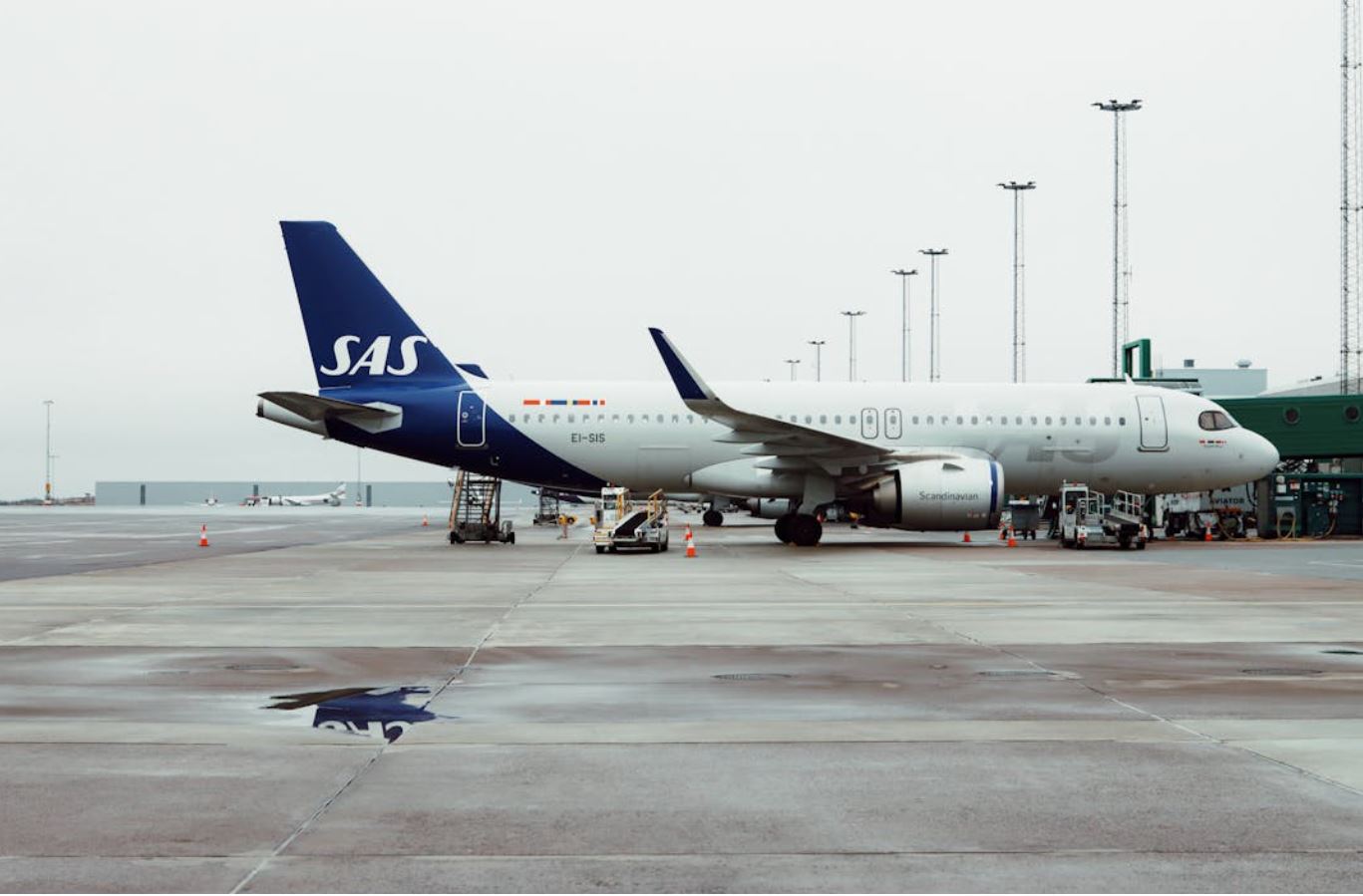
The fuel supply question: Are European airports at risk?
In April, ACI Europe flagged concerns about jet fuel inventory levels if Middle East flows were disrupted for more than 30 days. Swedavia’s current assessment is calmer. “There is aviation fuel at the airports and we don’t see any difference in deliveries,” Axtelius says.
Why the disconnect? Nordic airports benefit from diversified supply chains. Gothenburg and Malmö receive North Sea shipments via Brofjorden. Strategic reserves in Sweden and Finland cover ~90 days of aviation demand. The real exposure is price, not physical availability. That said, prolonged conflict or a Hormuz closure would test that buffer.
Where the risk sits this summer
| Region | Exposure Level | Reason | Advice for Travelers/Businesses |
| Intra-Europe | Low | Shorter sectors, efficient aircraft, multiple frequencies | Expect schedule tweaks, not cancellations. Book morning departures for lowest disruption risk. |
| Nordic–Middle East | Medium | Direct fuel cost exposure, some airlines reducing frequencies | Monitor schedules. Consider carriers with strong hedging, like Qatar Airways or Turkish Airlines. |
| Nordic–Asia via Hormuz-dependent routes | Medium-High | India, Thailand, Singapore flights most affected | Flexibility is key. Look at alternative routings via Helsinki or Istanbul. |
| Charter & leisure carriers | Medium | Thinner margins, less hedging, high summer utilisation | Read rebooking policies. Package tours offer more protection than flight-only. |
Analysis: What this means for Nordic business
1. Cost pass-through is coming: Airlines that deferred fuel surcharges in Q1 will adjust fares for Q3. Expect a 6-10% rise on long-haul leisure routes from July. Corporate travel managers should revisit budgets now.
2. Sustainability budgets buy resilience: SAS and KLM have increased SAF blending to 4-6% on Nordic departures. It’s expensive, but it reduces exposure to fossil volatility. Companies with Scope 3 targets may prefer these carriers despite higher ticket prices.
3. Secondary airports gain leverage: With major hubs trimming frequencies, routes from Gothenburg Landvetter, Bergen, and Billund are seeing higher load factors. That improves the case for direct business routes if demand holds.
Outlook for June–September 2026
Barring a major escalation in the Gulf, the base case is a tight but functional summer. The industry has learned from 2022 and 2024: cut early, cut shallow, and protect peak weeks. For passengers, Axtelius’ advice holds: “I don’t think you should be too worried. However, take an extra look depending on where you are flying.”
The variable to watch isn’t fuel price alone, but volatility. A $15 swing in 10 days forces cancellations faster than a slow climb to $100. Right now, futures markets are pricing stability through August.
Next in Nordic Business Journal
In our July issue, we’ll examine how Nordic exporters are adapting logistics and travel policies to energy volatility. We’ll speak with CFOs from the manufacturing and tech sectors about hedging, virtual meetings vs. travel ROI, and the new role of regional airports in supply chain resilience.
Connect with us
Have your summer travel or freight costs shifted? Is your company changing its aviation strategy? Email our editors at editorial@nordicbusinessjournal.com or join the conversation on LinkedIn and Instagram Nordic Business Journal. For press releases and data, contact Elisabeth Axtelius and the Swedavia team directly.