
As Kyiv’s largest defence procurement probe expands into the Nordic supply chain, Danish regulatory oversight and EU-NATO compliance frameworks are reshaping how Nordic firms engage with Ukrainian defence manufacturing.
The fallout from Ukraine’s most significant defence procurement investigation in recent years has now crossed the Baltic, casting a sharp compliance spotlight on a Danish-based rocket propellant facility and the Nordic businesses intertwined with Kyiv’s defence industrial base. As Ukrainian anti-corruption authorities tighten their grip on the so-called Operation Midas case, newly surfaced allegations linking sanctioned businessman Tymur Mindich to Fire Point—a key Ukrainian drone and missile manufacturer and parent company of FPRT’s Vojens facility—have triggered regulatory reviews across Nordic defence procurement channels.
The Case: Operation Midas in Brief
First detailed by Ukraine’s National Anti-Corruption Bureau (NABU) in late 2025, Operation Midas centres on allegations that private defence suppliers paid kickbacks of up to 15% on state contracts to secure payments, avoid blacklisting, or maintain preferred vendor status. The investigation, built on thousands of hours of intercepted communications, has already led to the dismissal of two ministers and the resignation of Andriy Yermak, former chief of staff to President Volodymyr Zelenskyy.
Recent audio transcripts published by Ukrainska Pravda allegedly feature conversations between Mindich and Rustem Umerov, Ukraine’s National Security Advisor and former Defence Minister. In the recordings, Mindich appears to speak on behalf of Fire Point, discussing ongoing defence contracts and a potential $600 million partial sale of the company to UAE-based investors. Mindich has consistently denied holding ownership stakes in Fire Point, and NABU has yet to formally authenticate the recordings or confirm their origin.
Fire Point co-owner Denys Shtilerman has publicly challenged the authenticity of the transcripts, calling the report an “untrustworthy attack” and noting the company has previously undergone independent audits. Nevertheless, Ukraine’s Ministry of Defence anti-corruption unit has stated that if beneficial ownership ties to sanctioned individuals are legally confirmed, Fire Point will be immediately barred from supplying the Ukrainian armed forces.
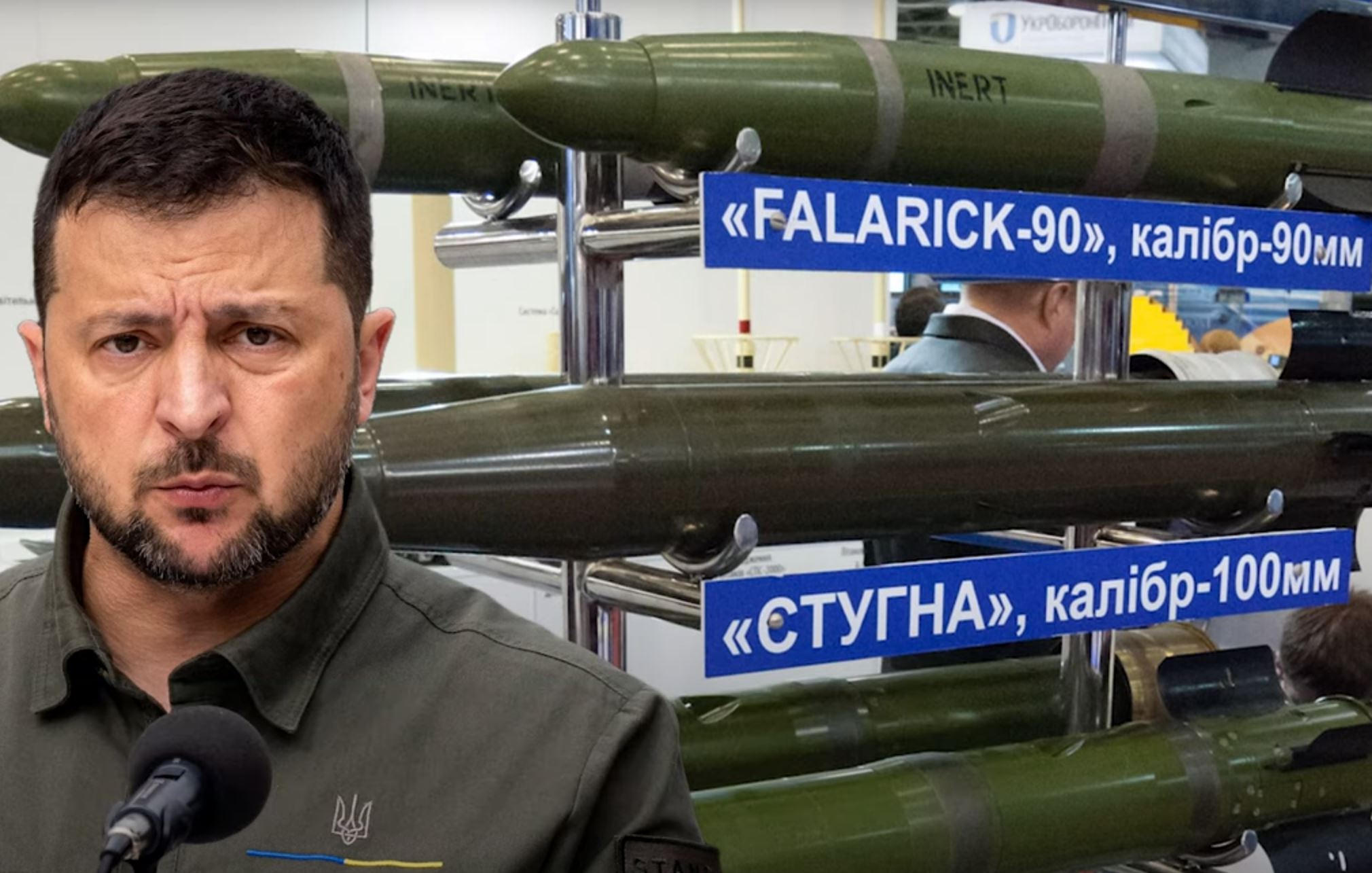
2026 Developments: The Danish Connection Under Review
Fire Point’s Danish subsidiary, FPRT (Fire Point Rocket Technologies), has been developing a solid rocket motor propellant facility in Vojens, southern Denmark. Originally projected to commence commercial production in early 2026, the site is now subject to enhanced compliance monitoring under Danish and EU defence procurement regulations.
As of May 2026, Danish defence authorities have confirmed that no public funding or state-backed contracts will be disbursed to the facility pending final verification of beneficial ownership, anti-money laundering (AML) compliance, and sanctions screening. Danish Defence Minister Troels Lund Poulsen’s late-2025 statement that FPRT’s operations followed national legislation reflected the government’s broader commitment to supporting Ukrainian industrial relocation. However, the Ministry has since clarified that all defence-adjacent manufacturing on Danish soil must undergo periodic compliance reviews, particularly when linked to entities under active anti-corruption investigations or international sanctions lists.
Transparency International Ukraine has called for a comprehensive audit of Fire Point’s pricing structures and contract allocation, warning that systemic procurement distortions could erode Western defence support if left unaddressed.
Nordic Business Analysis: Compliance, Capital, and Strategic Positioning
For Nordic executives, defence contractors, and institutional investors, the Operation Midas fallout underscores three structural shifts in European defence supply chains:
1. The “Wartime Exception” Has Expired
Expedited procurement and relaxed due diligence were widely accepted during 2022–2024. By 2026, EU defence funding mechanisms, NATO procurement directives, and Nordic national security frameworks have institutionalised rigorous audit trails. Nordic partners must now treat Ukrainian joint ventures with the same compliance rigour as domestic contracts.
2. Beneficial Ownership Transparency is a Market Access Requirement
The EU’s Anti-Corruption Directive, combined with NATO’s Supply Chain Security Framework, mandates strict KYC/AML protocols. Companies with indirect ties to sanctioned individuals or opaque ownership structures face immediate contract suspension, exclusion from defence tenders, and potential regulatory penalties. Proactive beneficial ownership mapping and third-party verification are no longer optional—they are prerequisites for Nordic firms operating in defence-adjacent sectors.
3. Geopolitical Risk Pricing is Reshaping Capital Allocation
Unverified ownership structures and active corruption probes are being priced into defence sector valuations. Nordic institutional investors are increasingly demanding real-time compliance monitoring, independent audit clauses, and ESG-aligned procurement standards. Firms that embed these requirements into joint venture agreements and supplier contracts will secure preferential access to EU-NATO defence funding streams.
The Path Forward
The Mindich-Fire Point allegations highlight a broader reality: ethical procurement and supply chain transparency are now foundational to market access in Europe’s restructured defence industrial base. Nordic companies that proactively implement enhanced due diligence, sanctions screening, and real-time compliance monitoring will not only mitigate regulatory and reputational risk but also position themselves as trusted partners in long-term Ukrainian defence integration.
As Kyiv continues to align its procurement practices with Western standards, the Nordic region has a strategic opportunity to lead in compliance-driven defence partnerships, dual-use technology transfers, and transparent cross-border investment frameworks.
What’s Next in Nordic Business & Defence?
In our next issue, we will examine how Nordic defence primes are restructuring their Eastern European supply chains to meet 2026 EU-NATO compliance standards. Expect exclusive case studies on Danish-Ukrainian joint ventures, Swedish drone manufacturing partnerships, Norwegian dual-use technology exports, and a deep dive into how Nordic institutional investors are pricing corruption risk into defence portfolios.
Stay ahead of the curve. Subscribe to the Nordic Business Journal, follow our Defence & Compliance desk, and connect with our editorial team at insights@nordicbusinessjournal.com for exclusive briefings, executive roundtables, and tailored risk intelligence tailored to Nordic market leaders.