
The Church of Sweden has reported a modest but significant increase in voter turnout for its 2025 church elections, with participation projected to be just under 19 percent when all votes are tallied. This uptick, while small, is seen as “extremely gratifying” by the Secretary General of the Church of Sweden, who hopes the boost in engagement signals growing interest in the governance of the church. But what exactly are these church elections, why do Swedes elect their church officials, and why are political parties involved?
Understanding the Church Elections in Sweden
Unlike many other countries, Sweden’s Church of Sweden is a national institution that was separated from the state only as recently as 2000. However, the church retains considerable influence in Swedish society, particularly in matters related to its role in cultural and community life. The church elections, held every four years, allow members of the Church of Sweden to elect representatives to the Church Assembly, which governs the organization. This election is distinct from national parliamentary elections but is still of considerable significance due to the church’s ongoing role in the Swedish social and cultural landscape.
Why Do the Swedish People Elect Church Officials?
The election of church officials might seem unusual to those unfamiliar with Sweden’s history, but the Church of Sweden remains a prominent institution with over 5 million members. While it no longer holds the same state power it once did, it is still a major player in Swedish society. Church officials are elected to oversee everything from theological matters and social initiatives to managing the church’s finances and community outreach programs.
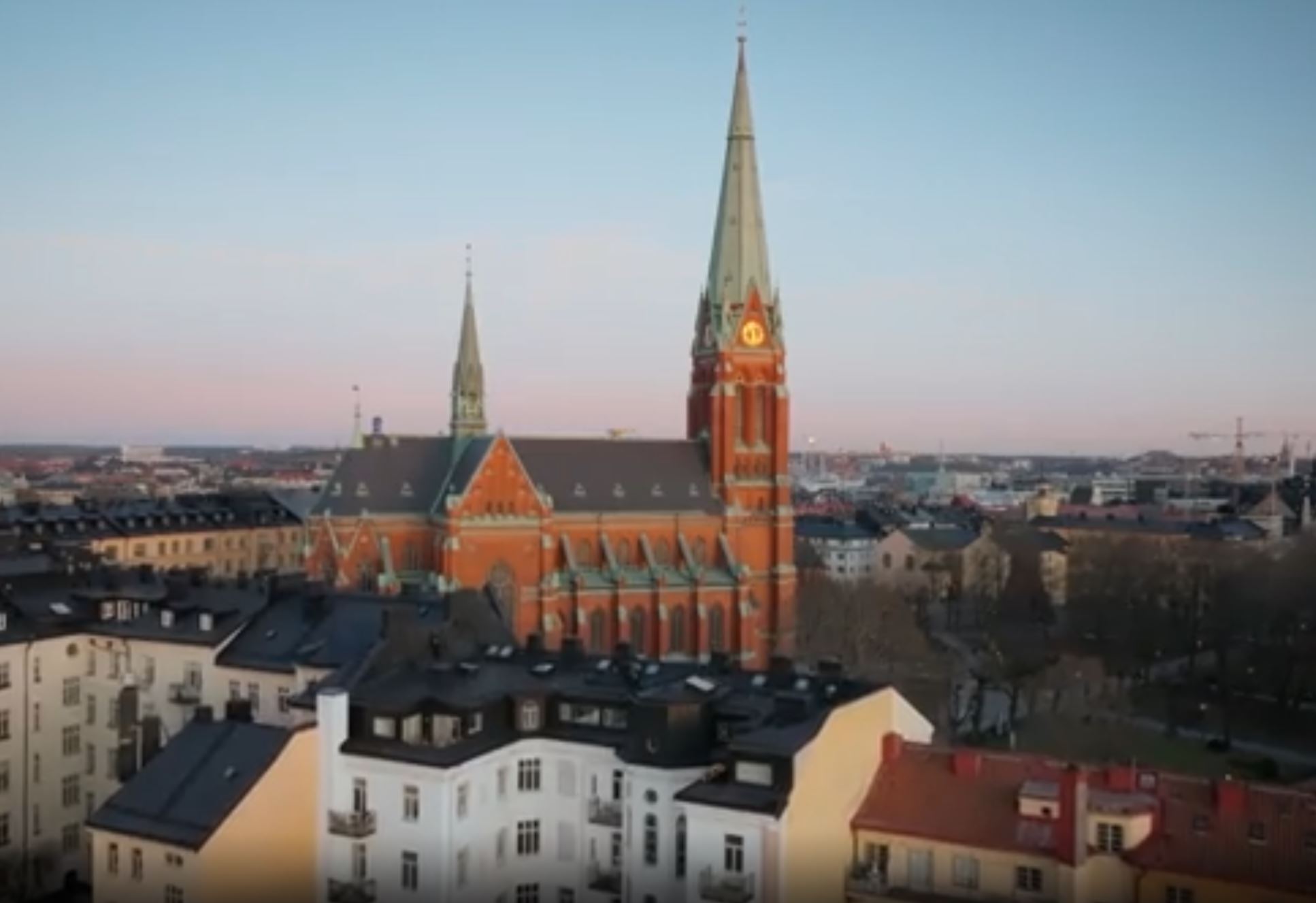
The church operates a wide range of social services, including hospitals, schools, and support for marginalized groups, and has a strong presence in local communities. As such, the elected representatives of the Church Assembly not only influence religious practice but also the church’s broader societal impact. Members of the church vote to select officials who will represent their interests, much like any other democratic election.
Political Influence: Why the Elections are Along Party Lines
The involvement of political parties in church elections can be perplexing for those unfamiliar with Sweden’s unique blend of religious and political life. In Sweden, the church’s governance has long been intertwined with the country’s political life. This is partly because the Church of Sweden was the state church until the turn of the 21st century, and political parties have continued to play a significant role in church elections even after the church’s separation from the state.
Different political parties nominate candidates for the church election, and the elections are organized along political lines. For example, the Social Democrats, Sweden’s largest party, have historically dominated the church elections, reflecting their long-standing connection to the church’s social and community-focused initiatives. Smaller parties like the Greens and the far-right have also become increasingly involved, with the Greens making notable gains in recent years.
Church historian Joel Halldorf explains the trend, noting that the involvement of political parties adds a layer of ideological and policy-driven debate to the elections. While church officials are primarily concerned with spiritual matters, political groups often use the election to influence broader issues like social justice, climate change, and migration policy.
Why Are These Elections Important?
The significance of church elections extends beyond just religious matters. With more than half of Sweden’s population still officially members of the Church of Sweden, the church remains an influential institution. The church is heavily involved in community services and social outreach, and its representatives are tasked with guiding its role in the contemporary Swedish state.
Furthermore, church elections often serve as a microcosm of broader political trends. The results reflect the shifting political landscape in Sweden, including public sentiment about issues like immigration, environmental policies, and social welfare. In recent years, the Greens have gained momentum, largely due to the church’s increasing emphasis on climate change and environmental stewardship, which aligns with the party’s platform.
The church’s continued prominence in social welfare initiatives means that church politics isn’t merely theological—it’s deeply tied to how Sweden shapes its policies on issues like poverty, social services, and human rights. In this way, church elections offer valuable insight into public attitudes and societal priorities.
The 2025 Election Results
The preliminary results from the 2025 church election suggest a significant continuation of established trends. The Social Democrats are on track to become the largest party once again, with around 28 percent of the vote, securing 72 seats in the church council, up from 70 seats in 2021. This result reflects the party’s sustained influence within the church, particularly in areas related to social justice, community support, and human rights.
However, there are also notable shifts within the election. The Greens are steadily gaining ground, reflecting the growing importance of environmental and social justice issues within the church’s agenda. On the other hand, nationalist groups appear to be losing influence, a trend which may reflect broader political currents within Sweden that are increasingly distancing themselves from far-right ideologies.
Jesper Eneroth, the group leader for the Social Democrats in the church council, expressed satisfaction with the election results, noting that while media attention has been minimal, the party is hopeful that future church elections will focus more on the substantive issues at hand. “I believe there are great opportunities to increase interest, to get more conversation, discussion, and to make visible what church politics is about,” Eneroth said.
Conclusion
While church elections may not command the same attention as national elections, their importance cannot be understated. These elections offer valuable insight into the broader political and social currents in Sweden and remain crucial for shaping the church’s role in Swedish society. As political parties continue to vie for influence within the Church of Sweden, it’s clear that the church remains an important force, one that reflects both the changing nature of Sweden’s religious life and the nation’s broader political debates.
As voter turnout continues to rise, it is clear that Swedes are becoming more engaged with the role of the church in their society—a development that could signal a more vibrant and dynamic conversation about the intersection of politics, religion, and social welfare in Sweden’s future.