
The Investigation: AI, Data, and Antitrust in the Digital Age
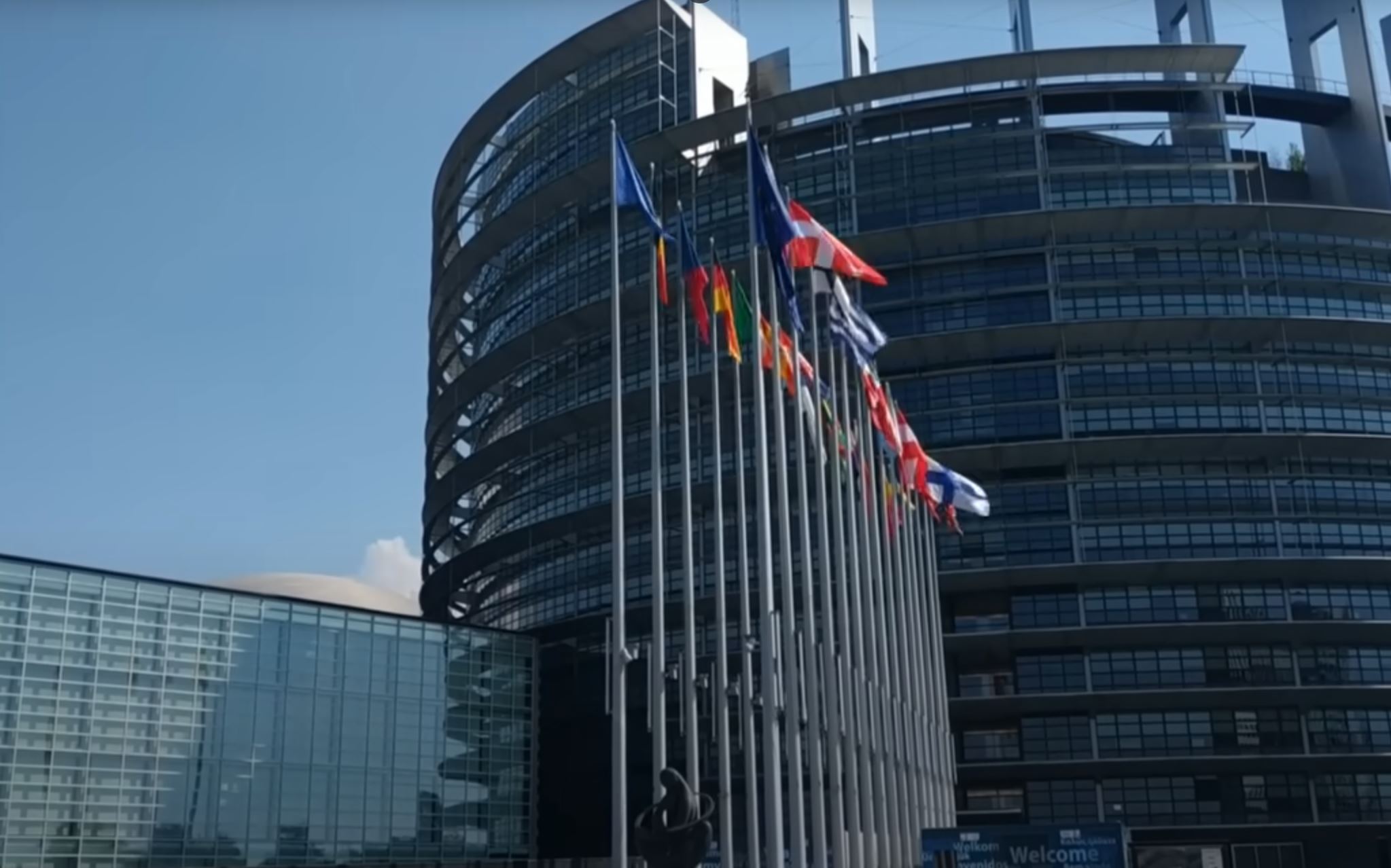
The European Commission has launched a formal investigation into Google’s use of online content—including material from YouTube—to train its generative AI systems, such as the rebranded Gemini platform. The probe centres on whether Google is leveraging its dominant position as a “gatekeeper” under the Digital Markets Act (DMA) to unfairly advantage its own AI models by using proprietary data inaccessible to competitors.
This scrutiny is not happening in isolation. It reflects a broader EU strategy to assert digital sovereignty and ensure a level playing field in the rapidly evolving AI economy—particularly as foundational regulations like the AI Act prepare for full enforcement.
The Regulatory Landscape: A Multi-Layered Framework
The Commission’s investigation sits at the intersection of three landmark EU regulatory pillars:
1. Digital Markets Act (DMA):
Designates Google as a gatekeeper and explicitly bans self-preferencing and data exploitation that harms competition. The DMA, enforceable since March 2024, empowers the Commission to impose fines of up to 10% of global turnover (rising to 20% for repeat offenses).
2. Digital Services Act (DSA):
Mandates algorithmic transparency and accountability for very large online platforms (VLOPs), including YouTube. This includes clear disclosure of how content is used for AI training and whether users or creators can opt out.
3. AI Act (Effective August 2, 2025 for General-Purpose AI):
Requires providers of general-purpose AI (GPAI) systems—like Google—to disclose training data sources, conduct risk assessments, and ensure compliance with EU copyright law. Full enforcement begins in 2026–2027, but early obligations are already binding.
Critically, the current probe under Article 102 of the Treaty on the Functioning of the European Union (TFEU)—which prohibits abuse of a dominant market position—serves as a real-world stress test of how these overlapping frameworks will be applied together in practice.
Why It Matters for Media and Creators
At the heart of the investigation are mounting complaints from European media publishers, including the Independent Publishers Alliance (IPA)—a coalition of UK-based independent news outlets. In June 2025, the IPA, alongside advocacy groups Movement for an Open Web and Foxglove, and legal firm Preiskel & Co, filed formal antitrust complaints with both the European Commission and the UK Competition and Markets Authority (CMA).
Their core grievances:
– Google’s AI Overviews (formerly Search Generative Experience) scrape publisher content without consent or compensation.
– Original news links are demoted in search results, causing traffic drops of up to 89% for some outlets.
– Publishers lack practical opt-out mechanisms, violating principles of fair use and copyright.
While the public filings do not name specific YouTube creators, the probe acknowledges broader concerns from the creator community: mandatory inclusion of user-generated content in AI training datasets, with no compensation or ability for rivals to access equivalent data pools.
A finding of abuse could compel Google to:
– Introduce compensation models for content use,
– Enable meaningful opt-outs for publishers and creators,
– Grant fair data access to competitors—thereby reducing market distortion.
Global Ripple Effects and Nordic Implications
Although the investigation is EU-led, its impact extends globally—and particularly to the Nordic region, where Denmark, Finland, and Sweden are EU members, and Norway and Iceland participate via the EEA Agreement, adopting key EU digital regulations.
For Nordic publishers and digital innovators, this case carries significant weight:
– Nordic media houses (e.g., Bonnier, Schibsted, Sanoma) rely heavily on digital traffic and are already adapting to AI-driven search disruptions.
– Local AI startups face an uneven playing field if gatekeepers like Google hoard high-quality training data from platforms like YouTube and Search.
– National regulators in Nordic countries may align enforcement actions with EU findings, especially under the DSA’s national coordination mechanisms.
Moreover, the outcome could influence how public service media (e.g., SVT, NRK, Yle) protect their content in the AI era—potentially shaping national policies on data rights and cultural sovereignty.
What Comes Next?
The Commission’s investigation, formally opened in December 2025, could conclude within 12–18 months. Potential outcomes include:
– Fines of up to €35 million or 7% of global turnover under the AI Act,
– Behavioural remedies, such as mandatory licensing or data-sharing commitments,
– Structural changes, though less likely in initial rulings.
With the U.S. Federal Trade Commission and UK CMA also examining Big Tech’s AI data practices, the EU’s actions may set a global precedent for regulating AI’s data supply chain.
Conclusion: A Defining Moment for Europe’s Digital Future
The Google probe is more than an antitrust case—it’s a litmus test for Europe’s ambition to govern the AI revolution on its own terms. For the Nordic business community, which champions innovation, sustainability, and equitable digital markets, the stakes are high. How the EU enforces its new regulatory arsenal will shape not only competition in AI but also the future of independent journalism, creator rights, and homegrown tech ecosystems across the region.
As one Nordic tech policy advisor noted: “If Europe fails to ensure fair access to data, we won’t just lose traffic—we’ll lose the ability to shape the next technological era.”
Additional Updates (as of December 09 2025):
– The European Data Protection Board (EDPB) is expected to issue new guidelines in early 2026 on AI training and GDPR compliance, potentially reinforcing the Commission’s stance.
– The Nordic Council of Ministers has announced a joint working group on AI and media sustainability, set to convene in Q1 2026, signalling regional coordination in response to EU developments.
– Google has begun testing an opt-out tool for publishers in select EU markets, though critics call it insufficient and technically flawed.
This article is part of the Nordic Business Journal’s ongoing series on “AI, Regulation, and the Future of Nordic Innovation.”