
In a move that has reignited diplomatic tensions across the North Atlantic, U.S. President Donald Trump has appointed Louisiana Governor Jeff Landry as his “special envoy to Greenland”—a role with no official standing under current U.S. administration protocol but one that signals Trump’s enduring ambition to bring the Arctic territory under American influence. Landry’s recent post on X (formerly Twitter), declaring his mission is to “help the President make Greenland part of the United States,” has sent ripples through Copenhagen, Nuuk, and Washington alike—just weeks after all parties publicly reaffirmed their commitment to mutual respect.
A Delicate Diplomatic Balance Under Strain
On December 5, 2025, representatives from Greenland, Denmark, and the United States concluded their annual “Joint Committee” meeting in Nuuk—an established forum for dialogue on trade, investment, education, energy, and environmental cooperation. The joint statement issued afterward emphasised “mutual respect” and “constructive collaboration,” with Greenland’s Foreign Minister Vivian Motzfeldt (Siumut) stressing the need to “restore trust” in transatlantic relations. U.S. Ambassador to Denmark, Ken Howery, stood beside her, projecting unity.
Yet within days, that fragile consensus unravelled. Danish Foreign Minister Lars Løkke Rasmussen (Venstre) announced he would summon Howery for yet another diplomatic clarification—an increasingly familiar ritual since Trump first floated the idea of purchasing Greenland in 2019. “We have worked very hard on all diplomatic channels to make this go away,” Løkke remarked, visibly frustrated.
The tension underscores a deeper structural rift: while Denmark and Greenland operate within a constitutional framework that grants Greenland broad autonomy (including control over foreign affairs in areas like trade and raw materials), ultimate sovereignty remains with the Kingdom of Denmark. Any attempt to bypass Copenhagen—or worse, suggest the transfer of territory—is viewed as both a legal and existential affront.
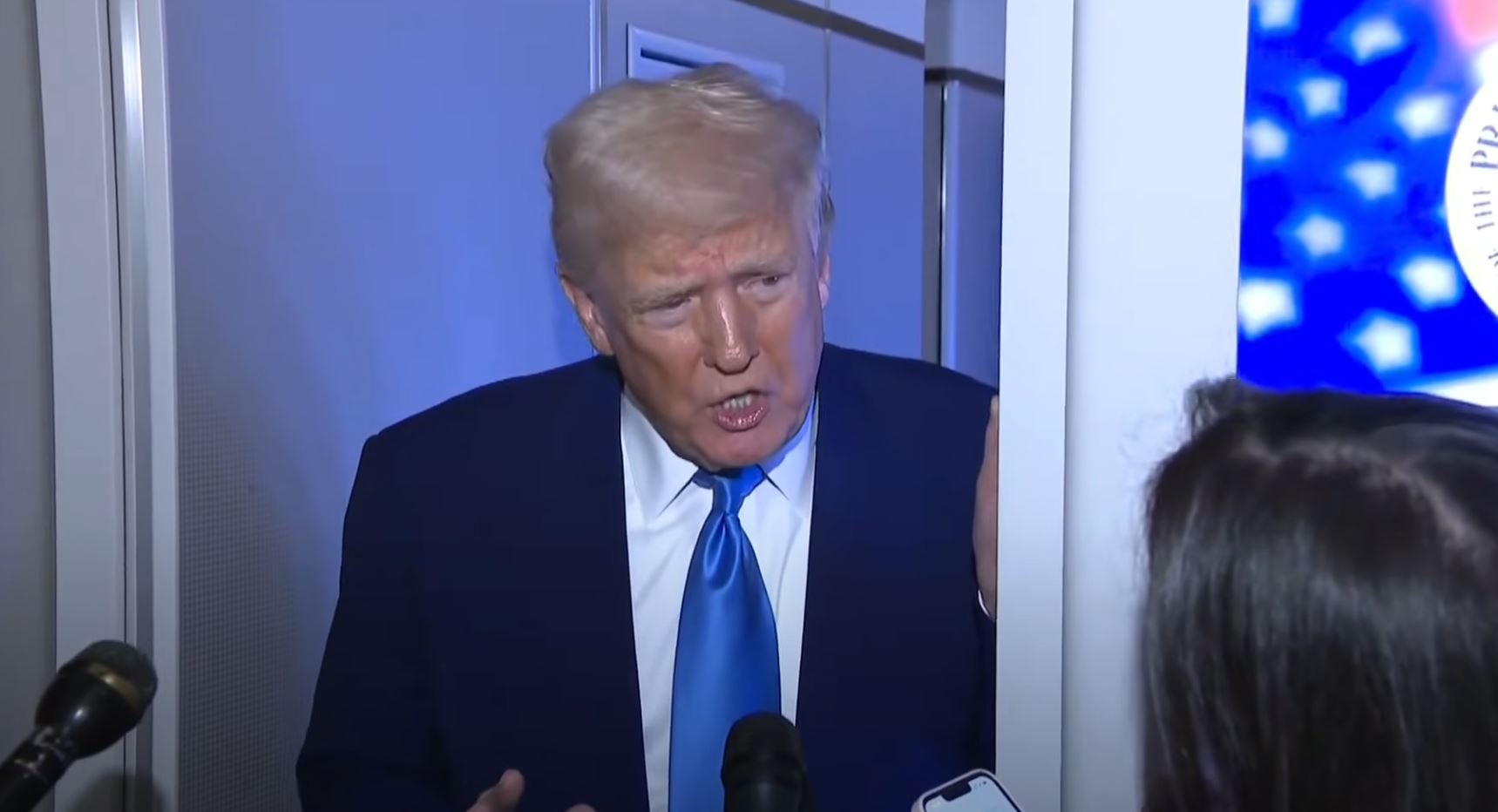
Trump’s Playbook: Bypassing Bureaucracy with Personal Envoys
What makes this latest episode distinct is not the ambition—it’s the method. As Ulrik Pram Gad, senior researcher at the Danish Institute for International Studies (DIIS) and an expert on Arctic geopolitics, observes: “Trump is not good at using a normal system. He trusts more in people he can send out to short-circuit systems.”
Jeff Landry, a conservative firebrand with no discernible background in Arctic policy or international diplomacy, fits this mould perfectly. Unlike career diplomats who operate within multilateral frameworks and institutional norms, Landry represents Trump’s preference for loyalty over expertise—a tactic that risks inflaming tensions rather than resolving them.
“Landry could be a worse mess if he shows up in Nuuk without having an idea of what to talk about,” Pram Gad warns. And yet, his arrival seems increasingly likely. A special envoy, even one operating unofficially, carries direct access to Trump’s ear—a channel far more potent than the U.S. consulate in Nuuk, which, despite its 2020 opening, remains a junior diplomatic outpost.
The Arctic as a New Arena of Strategic Competition
While Trump’s rhetoric may seem theatrical, it reflects a broader—and accelerating—strategic pivot toward the Arctic. Melting ice, new shipping lanes, vast mineral reserves (including rare earth elements critical for green tech), and military positioning have made the High North a focal point for global powers. The U.S. National Security Strategy, updated in late 2025, reaffirms American commitment to Arctic leadership—though notably without endorsing territorial acquisition.
Meanwhile, Greenland is navigating its own complex path. With a population of just 56,000 but control over 2.2 million square kilometres of resource-rich territory, it is courted by the EU, China, and the U.S. alike. Its 2021 decision to expel a Chinese mining company from the Isua iron ore project signalled alignment with Western security interests—but also highlighted its leverage as a geopolitical swing state.
Denmark, for its part, is walking a tightrope: supporting Greenland’s autonomy while defending the integrity of the Realm. Prime Minister Mette Frederiksen and Greenlandic Premier Jens-Frederik Nielsen issued a joint statement reaffirming “our common territorial integrity” and demanding “respect” from all international actors—a clear rebuke to Trump’s latest provocation.
Is This the “New Normal”?
Pram Gad argues that Trump’s Greenland gambit is less a policy shift than a recurring motif: “We know that Trump wants Greenland. We know that Greenland, Denmark, and Europe do not think that countries and territories should be taken apart in this way. So, this arm-wrestling will continue.”
Indeed, with Trump leading polls ahead of the 2028 U.S. presidential election, his rhetoric cannot be dismissed as mere nostalgia. His appointees—like Landry—may be unorthodox, but they signal intent. And in an era where great-power competition increasingly plays out in remote, resource-laden regions, the Arctic is no longer a periphery—it’s a frontline.
Looking Ahead: What’s Next for Greenland’s Sovereignty?
For Nordic business leaders, investors, and policymakers, Greenland represents both opportunity and risk. As climate change unlocks economic potential, so too does it attract geopolitical friction. Understanding the interplay between local autonomy, Danish sovereignty, and global power plays will be critical for any entity engaging with the Arctic economy.
Next in our series: “Greenland’s Mineral Rush: Who Will Profit from the Thaw?” We’ll examine the investment landscape in critical minerals, the role of EU and U.S. supply chain strategies, and how indigenous governance is shaping sustainable development.
Have insights on Arctic diplomacy or resource markets? We’d love to hear from you. Connect with the Nordic Business Journal team at insights@nordicbusinessjournal.com or follow us on LinkedIn for ongoing coverage of Nordic-Arctic affairs.
—
© 2025 Nordic Business Journal. All rights reserved. Strategic insight for the Nordic region and beyond.