
A Transformative Step in Green Energy Collaboration
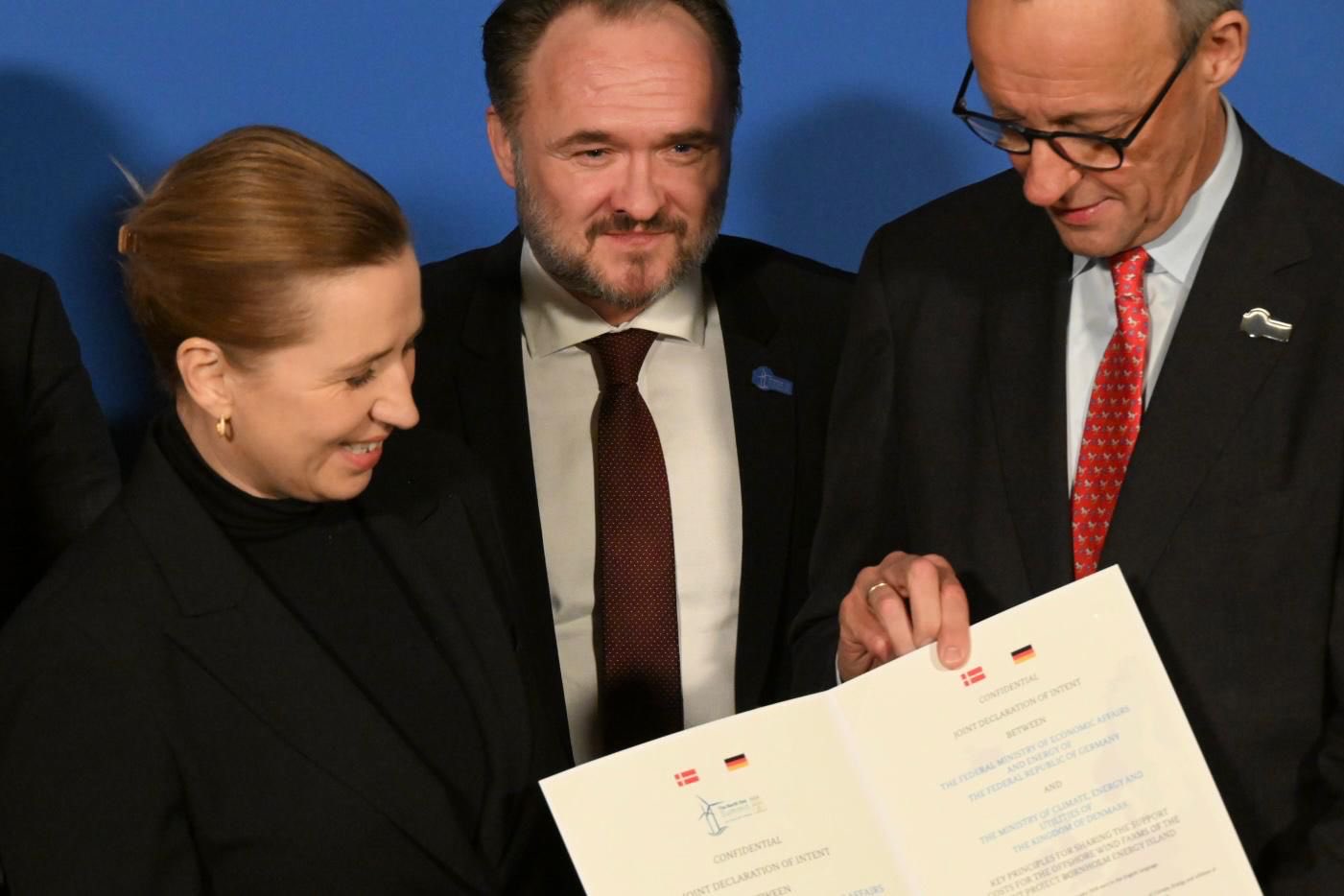
In a landmark move signalling a new chapter in European energy cooperation, Denmark and Germany have officially agreed to embark on the largest energy project in Denmark’s history—Energiø Bornholm, a state-of-the-art offshore wind energy initiative. The announcement, made by Denmark’s Minister of Climate, Energy, and Utilities, Lars Aagaard, at the North Sea Summit in Hamburg, marks a major milestone in the ongoing green energy transition.
The Vision for Energiø Bornholm
The Energiø Bornholm project will establish massive offshore wind farms located south and southwest of the Danish island of Bornholm, designed to generate clean electricity for both Denmark and Germany. The venture is expected to play a pivotal role in the two countries’ efforts to meet ambitious climate targets and reduce their dependence on fossil fuels.
Lars Aagaard expressed his enthusiasm about the project, calling it a significant achievement for both countries and a key step towards the realization of Europe’s green energy ambitions. “This is an extremely important development that will supply substantial amounts of green electricity, enhance our energy security, and contribute to more affordable electricity prices in Denmark,” Aagaard stated at the summit.
A Multibillion-Krone Undertaking
The scale of the project cannot be overstated. Although the final price tag remains uncertain, energy analysts estimate that the total cost could run into the hundreds of billions of Danish kroner. The wind turbines alone are expected to cost between 50 to 60 billion kroner, with additional costs related to the construction of subsea cables and a converter station on Bornholm.
Filip Knaack Kirkegaard, DR’s climate analyst, underscored the sheer magnitude of the project, comparing it to historical infrastructure investments such as the construction of Denmark’s gas network or district heating systems. “Energiø Bornholm will not only be the largest energy project in Denmark’s history but also a strategic decision with far-reaching implications for energy policy for decades to come,” he noted.
What makes the project unique is the collaborative financing model between Denmark and Germany. Both nations will share the financial burden, while private companies will take on the responsibility for developing and operating the offshore wind farms. Importantly, the Danish and German governments have agreed to provide a price guarantee for the electricity generated by the wind farms, thus ensuring that the companies involved can achieve a stable return on investment.
The agreement stipulates that, should electricity prices fall dramatically, the governments will compensate the companies for the shortfall. Conversely, if wind energy is sold at a high price, the states will share in the profits.
EU Support and Future Prospects
The European Union has also thrown its weight behind Energiø Bornholm, contributing nearly 5 billion kroner in funding to help make the project a reality. When completed, Energiø Bornholm is expected to generate enough power to supply approximately 3 million households across Denmark and Germany, reinforcing the project’s significance in the broader European energy landscape.
While the project is still subject to final approval by the Danish Parliament, Aagaard is confident that the necessary backing will be secured, as the current government holds a majority in Parliament.
A Broader Vision: Denmark’s Role in European Energy Transition
Minister Aagaard emphasized that Energiø Bornholm is just the beginning of Denmark’s energy partnership with Germany. Denmark’s potential to host additional offshore wind farms is an ongoing area of exploration. In fact, a draft bill is already in the works that will lay the groundwork for more such projects in the future.
“We are committed to strengthening our cooperation with Germany. Energiø Bornholm is not the final chapter of this energy collaboration; it’s only the start,” Aagaard assured.
In the coming years, Denmark will continue to explore opportunities to expand its renewable energy infrastructure, including additional offshore wind farms that would send power to Germany. This future-focused approach underscores Denmark’s ambition to be a leading player in the EU’s renewable energy revolution.
A Historic Milestone with Long-Term Benefits
As Energiø Bornholm edges closer to becoming a reality, the project stands as a testament to the power of international cooperation in tackling climate change. The partnership between Denmark and Germany sets a powerful example of how neighbouring nations can work together to build a greener, more sustainable future.
Looking Ahead: The Next Steps in Green Energy
The agreement on Energiø Bornholm sets the stage for deeper energy collaboration between Denmark, Germany, and the wider European Union. For our readers, this project offers insight into the future of green energy infrastructure, with a particular focus on offshore wind as a key solution to Europe’s energy needs. As Denmark and Germany continue to push the envelope on renewable energy, this project will serve as a blueprint for other countries looking to transition to sustainable energy sources.
Stay Connected with Nordic Business Journal
In our upcoming articles, we will delve deeper into the technological and economic aspects of offshore wind farms, including an analysis of the latest advancements in turbine design and energy storage solutions. Stay tuned as we continue to cover the exciting developments in renewable energy and cross-border collaborations in Europe.
We encourage our readers to connect with us through our social media channels and share their thoughts on this groundbreaking project. Together, we can shape the future of sustainable energy.