
The Norwegian Petroleum Fund, or Government Pension Fund Global (GPFG), stands as the world’s largest sovereign wealth fund, with an impressive value of around $2.1 trillion. While this immense fund has been a key pillar in ensuring Norway’s economic future, recent geopolitical developments underscore the need for the fund to enhance its strategies to mitigate risks related to political conflicts and shifting power dynamics.
A recent report from a government-appointed expert group has raised a critical alarm: the fund’s global investments are increasingly vulnerable to the turbulence of international politics. With rising geopolitical risks and the proliferation of economic sanctions, trade barriers, and financial restrictions, the fund faces an evolving landscape that could significantly impact its holdings across the globe.
The Growing Influence of Political Risk
Traditionally, the Norwegian Petroleum Fund’s strategy has focused on diversifying its investments across a wide range of asset classes and geographical regions. This broad diversification has been one of the core tenets of the fund’s long-term success. However, as the expert group highlights, the rising use of economic tools—such as sanctions, trade restrictions, and tariffs—means that the fund’s assets are now more exposed to political influences than ever before.
One of the most significant factors contributing to this heightened risk is the sheer size and visibility of the fund. With assets in nearly every corner of the globe, the Norwegian Petroleum Fund is not just a financial powerhouse but a highly visible target for political and economic policy action. In times of geopolitical tensions, such as the current global climate, sovereign wealth funds like Norway’s are at the mercy of the shifting winds of international diplomacy.
As the report notes, “The fund’s global investments are now increasingly susceptible to interference from geopolitical tensions, such as sanctions or retaliatory measures, as countries use these tools to advance foreign policy goals.” This creates an environment of uncertainty, which could have substantial long-term consequences for the fund’s returns.
A Target on the Horizon
In today’s volatile political environment, it is no longer inconceivable that sovereign wealth funds could face direct regulatory interventions. The report underscores that the Norwegian Petroleum Fund could be subject to increased taxation, regulatory scrutiny, or even confiscation under certain circumstances. While this may sound like a far-fetched scenario, it highlights the fragility of large-scale investments when they intersect with international diplomacy.
The expert group stresses that, unlike traditional financial risks—such as market volatility or currency fluctuations—there are few effective financial instruments or hedges to protect against the political risks that are now more prevalent. The development of such safeguards, if at all possible, remains an open question, leaving the fund vulnerable to unpredictable political shifts that could impact its assets.
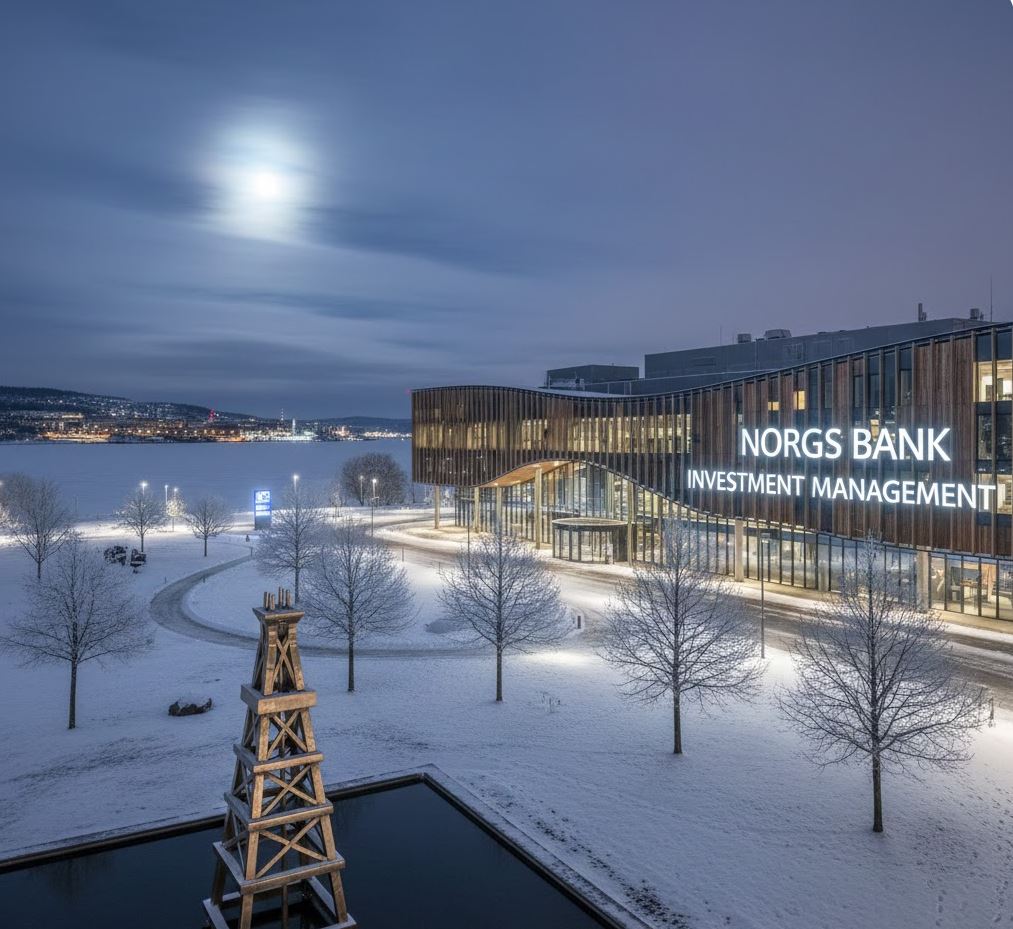
A Year of Reflection: The Fund’s 2025 Controversies
The Norwegian Petroleum Fund’s relationship with global politics has been tested in recent years. In 2025, the fund’s exposure to companies linked to the Gaza conflict generated significant controversy, leading to divestments that attracted strong political reactions. Particularly in the United States, where some of the fund’s holdings were subject to scrutiny, these decisions strained diplomatic ties and ignited debates over the ethical responsibilities of sovereign wealth funds.
In response to these developments, Norwegian policymakers temporarily halted the work of the fund’s ethics council, reflecting the complexity of balancing ethical concerns with political realities. This incident illustrated just how entangled the fund’s operations have become in the global political sphere and how rapidly investments can come under scrutiny when they intersect with sensitive international issues.
Moreover, the shifting dynamics between the United States and Europe, particularly in terms of security and trade, have added another layer of uncertainty to the fund’s strategic positioning. While the United States remains the single largest market for Norwegian investments, the geopolitical climate has prompted discussions about the future risks associated with such heavy exposure.
Strategic Considerations for the Future
Despite these challenges, Norway’s Finance Minister Jens Stoltenberg has made it clear that there are no current plans to reduce the fund’s exposure to the U.S., emphasizing the importance of maintaining access to the world’s largest economy. The expert group, however, recommends caution in diversifying investment strategies and advises against the idea of limiting exposure to only “friendly” countries.
Such a strategy, while seemingly attractive in light of current political tensions, could severely limit the fund’s ability to diversify and reduce risk. The experts argue that the uncertainty surrounding which nations will remain politically stable or aligned with Norway in the long term makes it too risky to adopt a policy of excluding certain countries from the fund’s portfolio.
The report calls for a balanced approach: maintaining diversification to ensure long-term growth while developing new strategies for addressing the unique challenges posed by geopolitical risks. This could include enhancing the fund’s monitoring capabilities, engaging with global policy developments more proactively, and exploring innovative financial instruments that could provide some protection against political risks.
Adapting to New Realities
As the Norwegian Petroleum Fund moves forward in an increasingly complex geopolitical landscape, it will be crucial to strike the right balance between preserving its foundational principles of diversification and adapting to the new challenges that have emerged. The risks are real, but so too are the opportunities for strategic adjustments that can ensure the fund’s continued success.
Looking ahead, a more nuanced approach to global investments will be essential. The fund will need to stay nimble, continuously assessing both political and financial risks in a rapidly changing world.
Looking Ahead: Next Steps and Future Insights
In our next article, we will explore the practical steps the Norwegian Petroleum Fund can take to enhance its resilience in the face of rising geopolitical risks. We will also look at how other sovereign wealth funds around the world are adapting to similar challenges and the lessons that Norway can learn from their strategies.
Stay tuned for more in-depth analysis and expert perspectives on how global investment strategies are evolving in this new era of political volatility.
For updates and to connect with us, follow our ongoing coverage of sovereign wealth funds, international investment strategies, and the latest geopolitical developments shaping the financial landscape.