
Introduction:
In recent years, a disturbing trend has emerged in Sweden that challenges traditional perceptions of crime and gender roles. Historically, young girls convicted of murder were an anomaly, but today, they are increasingly becoming active participants in serious criminal activities. This shift reflects broader societal changes and an evolving criminal landscape, one in which young girls are taking on violent roles traditionally dominated by males. This article delves into the factors behind this shift, the growing trend of girls in organized crime, and what measures can be taken to address these issues.
The Increasing Convictions of Young Girls:
For decades, female involvement in violent crime, particularly murder, was exceptionally rare. However, recent statistics from the Swedish Crime Prevention Council (Brå) reveal an alarming trend: In the past ten years, ten teenage girls have been convicted of murder. Notably, five of these convictions occurred in just the past two years (2023-2024), a significant uptick that underscores a changing criminal dynamic.
A striking example of this shift came to light in 2024, when a 15-year-old girl was arrested for involvement in two fatal shootings. These killings were allegedly carried out on behalf of the Foxtrot network, a notorious criminal organization. This incident is part of a broader trend where girls, particularly those under 18, are increasingly being recruited by criminal gangs to perform violent and dangerous tasks.
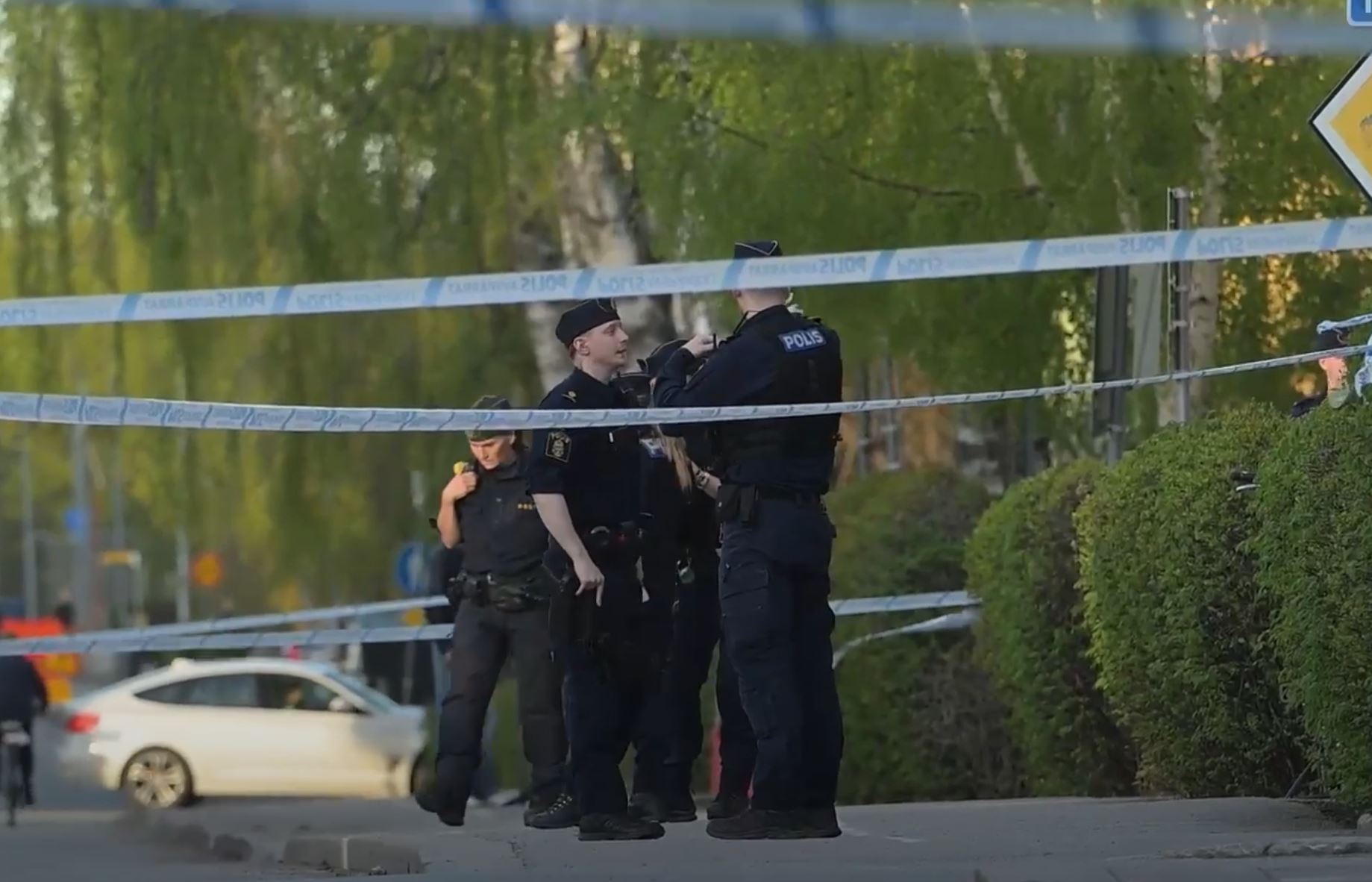
Girls as Active Criminal Actors:
Historically, girls were seen as mere followers in the criminal world, often linked to male counterparts. However, there is a growing recognition that young girls are no longer just bystanders but active participants in criminal networks. As Marie Eriksson, a strategist at the City of Västerås, notes, “Previously, we talked about girls as someone who just hung around the guys. Now, we talk more about them as their own actors.”
Detective Inspector Gunnar Appelgren points out that young girls, much like their male counterparts, are increasingly using online platforms to engage in criminal activities. “The girls are online just like the boys. They want bling-bling and money and take missions. They throw grenades and shoot,” he says. This shift not only alters the profile of those involved in organized crime but also signals the emergence of new avenues for gang recruitment and expansion.
The Vulnerability of Girls in the Criminal Environment:
While young girls are taking on more significant roles in crime, they are also extremely vulnerable within these networks. Anna Danielsson, who works with the “Blind fläck” project in Gothenburg, sheds light on the intersection between criminal behaviour and the sexual vulnerabilities that often accompany it. “Girls also commit crimes. Sometimes they have their own agency in it and think they can earn money or status. But above all, it is important to offer them the right support so that they can leave this path behind them,” Danielsson explains.
The “Blind fläck” project has highlighted the extreme sexual vulnerability faced by these girls. Over 80 percent of the participants in the program reported having been exposed to sexual violence before becoming involved in criminal activity. This exposure acts as a significant risk factor for girls entering into criminal networks, where sexual exploitation and violence are prevalent.
Opportunities for Change and Support:
Despite the challenges, there is hope for intervention. Research from Brå shows that girls involved in crime often do not see themselves as full members of criminal gangs, which may offer a unique opportunity for intervention. “Once you reach the girls with the right message, they are very receptive to support and help,” says Anna Danielsson.
Support programs that focus on helping these girls leave the criminal world are crucial. With the right guidance, these young girls can break free from criminal influence and rebuild their lives. Social services, mental health support, and community outreach programs must be strengthened to offer these girls the resources and support they need to escape the cycle of violence and exploitation.
A Call for Awareness and Action:
The rise in young girls’ involvement in violent crime is a wake-up call for Swedish society and law enforcement. It’s not just about tackling crime but also understanding the complex social dynamics that drive young girls to these extremes. More research, more tailored support programs, and a societal shift in how we view and support at-risk youth are essential steps in addressing this issue.
Conclusion:
The landscape of criminality in Sweden is evolving, and young girls are increasingly becoming active perpetrators. Understanding their involvement requires a deeper analysis of the socio-economic and psychological factors that contribute to their criminal actions. By acknowledging these changes, we can better prepare to support these girls and reduce the impact of organized crime on the next generation.
Looking Ahead:
As we continue to explore the increasing role of girls in organized crime, future articles will delve into preventive strategies, the role of education and family support systems, and the rehabilitation efforts underway in Sweden. Stay connected with us for insights into how we can protect vulnerable youth and reshape the future of crime prevention in Sweden.
For more updates on this issue or to contribute your thoughts, follow us on social media or reach out to our editorial team.