
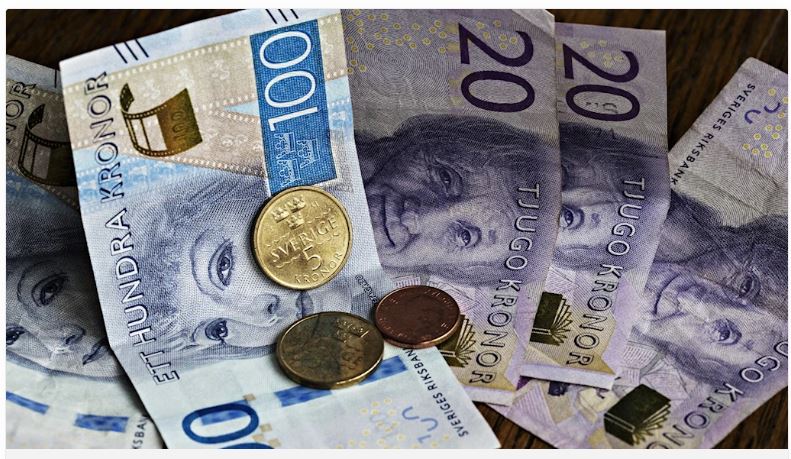
A recent analysis by Danske Bank’s FX desk, reported in Swedish media, shows the Swedish krona has been the weakest performer among G10 currencies since the latest escalation of hostilities in the Middle East. The trend — krona depreciation against the US dollar and many other major currencies — reflects a broader move into perceived safe-haven assets amid heightened geopolitical risk. For Nordic companies, investors and policy watchers, the move raises several practical risks and opportunities.
Why the krona is taking the brunt
– Global risk-off and the dollar: In periods of heightened geopolitical stress, international investors typically seek liquidity and safety, pushing the US dollar higher. Small, open currency markets like the krona are more vulnerable to sudden swings as portfolio flows reverse.
– Positioning and liquidity: Danske Bank notes a recurring pattern where the krona weakens into Friday evening. Thin liquidity ahead of weekends — when geopolitical developments may unfold and markets in Europe and the US are closed — amplifies moves. Market participants can close positions to avoid weekend event risk, increasing selling pressure on smaller currencies.
– Relative policy and yields: Currency moves depend on expectations for central-bank policy and relative yields. If investors expect policy divergence (for example, the Fed staying tighter relative to the Riksbank), that increases downward pressure on SEK.
– Sweden’s structural sensitivities: Sweden’s open economy, significant household leverage and large share of FX-exposed corporate debt make it sensitive to swings in risk sentiment. That structural sensitivity can exaggerate market moves when global shocks hit.
What this means for Nordic businesses and investors
– Importers and companies with USD-denominated costs: A weaker krona increases costs for firms buying goods or services priced in dollars. Those without hedges may face margin pressure.
– Exporters: A softer SEK can be a competitive advantage in overseas markets, improving price competitiveness and potentially boosting margins — but only if the gain is not offset by higher imported input costs.
– Inflation and monetary policy implications: Currency depreciation can pass through into higher import prices and domestic inflation. That complicates the Riksbank’s policy calculus: inflation risks may argue for tighter policy, while weaker growth could push in the opposite direction.
– Balance-sheet exposures: Corporates with FX debt or currency mismatches should re-test balance-sheet resilience to further SEK volatility. Banks’ exposures and household balance sheets also matter for systemic risk.
Trading and treasury practicalities
– Hedge selectively and dynamically: Use forwards, collars and options strategically — not only for full protection but to balance cost versus risk. Options can provide weekend protection at a premium, which some treasurers find attractive in high geopolitical-risk periods.
– Review invoice currency strategy: Consider whether invoicing more sales in SEK or hedged USD/EUR can stabilize cash flows.
– Stress-test funding channels: Lower SEK and wider volatility can tighten access to unsecured funding. Reassess liquidity buffers, committed lines and the availability of FX swaps.
Policy watch and market signals to follow
– Riksbank communications: Any hint of policy loosening while global peers remain tight could further pressure SEK. Conversely, surprise tightening or verbal intervention would likely shore it up.
– Central-bank cooperation / FX interventions: Watch for coordinated central-bank steps or unilateral FX intervention if moves become disorderly.
– Oil and commodity prices: Middle East conflict tends to move oil markets. Higher energy prices can feed global inflation and alter risk sentiment, indirectly influencing capital flows into Nordic currencies.
– Positioning data and liquidity patterns: Pay attention to speculative positioning and FX forward flows. Large, one-sided positions can reverse quickly and accentuate moves.
Strategic takeaways
– Short term: Expect volatility to remain elevated while geopolitical uncertainty persists. Use liquidity windows to adjust hedges and consider options for weekend protection.
– Medium term: Monitor central-bank divergence and domestic macro fundamentals. If Sweden’s growth and inflation remain resilient relative to peers, some stabilisation of SEK is plausible; if not, weakness could persist.
– Corporate action: Reassess FX risk policy, improve cash‑flow forecasting under stress scenarios, and coordinate treasury decisions with procurement and sales to manage margin impacts.
The krona’s recent comparative weakness among G10 currencies is less a reflection of a single domestic failure than the interaction of global risk-off flows, relative monetary expectations and structural sensitivities of an open Nordic economy. For CFOs, treasurers and investors, the priority is active risk management: reassess exposures, use flexible hedging tools, and prepare contingency financing to withstand further volatility.
What’s next and how to connect
Next article direction: we will publish a deep-dive on corporate hedging strategies under geopolitical stress: case studies from Swedish exporters, a primer on option structures for weekend protection, and an assessment of how Riksbank policy choices could influence SEK over the next 12 months.
Connect with Nordic Business Journal: send tips, request briefings for your company, or propose case studies for our next piece at editorial@nordicbusinessjournal.com. Follow our LinkedIn for alerts when the next report is published.