
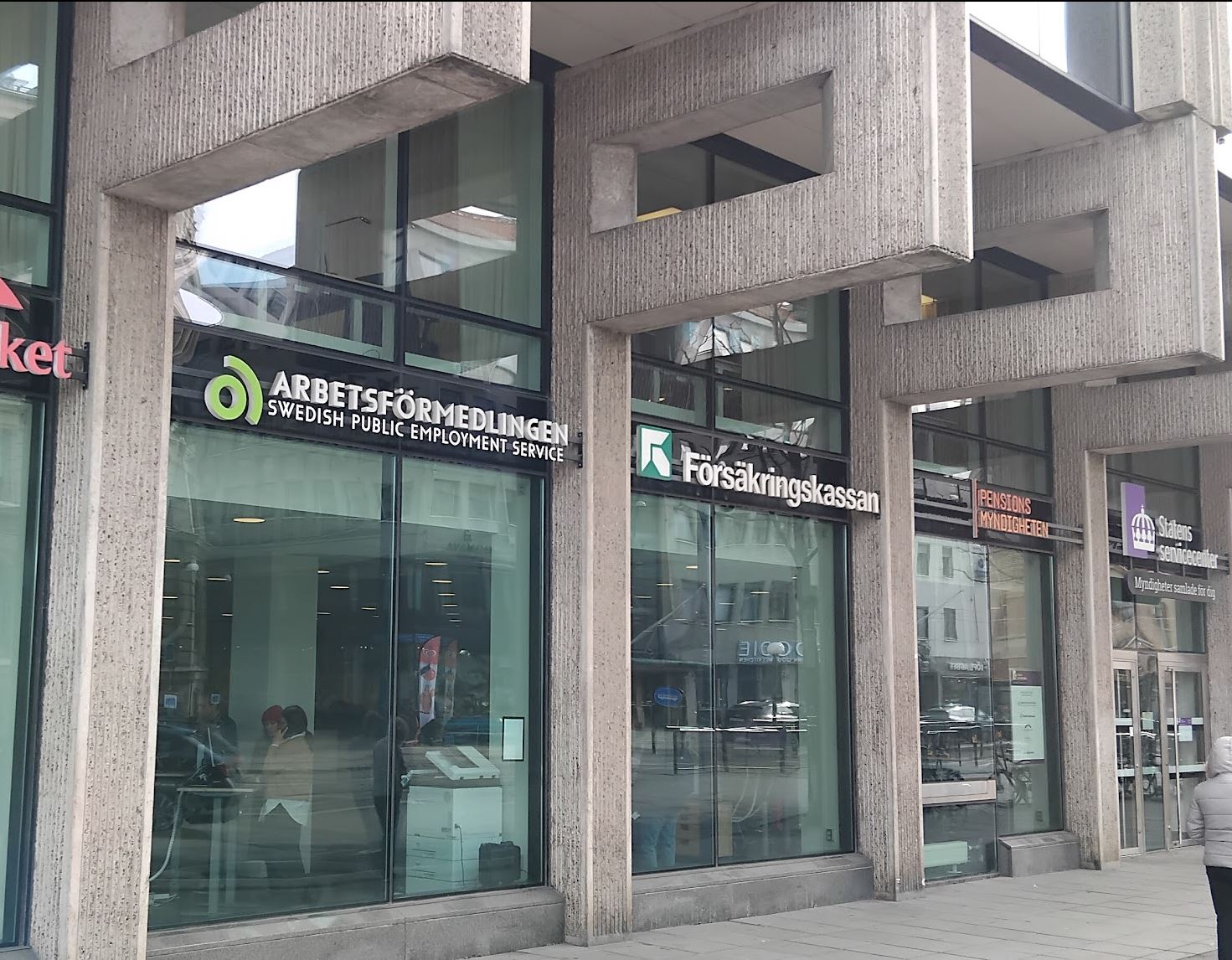
The Swedish Public Employment Service (Arbetsförmedlingen) has become embroiled in controversy over a large-scale project aimed at using artificial intelligence (AI) and graph technology to track and monitor job seekers. Initially revealed by Aftonbladet, the project involves the collection of vast amounts of personal data, including information about job seekers and their families, with the goal of detecting suspicious activity such as benefit fraud or errors in payment.
At the core of the project is a so-called “control platform” that uses AI to automatically identify patterns within the data. While this system is designed to flag potentially fraudulent claims or misuse of the welfare system, the broader implications of its design and implementation have raised significant legal, ethical, and financial questions.
The Mechanics of the Control Platform
According to internal documents reviewed by Aftonbladet, the Swedish Public Employment Service has already made key decisions on the design and functionality of the platform. The goal is to leverage graph technology to analyse interconnected data, creating a “web” of relationships and activities that could signal fraudulent behaviour. This AI-driven system is designed to enhance the efficiency of fraud detection, minimizing the need for manual oversight.
While the platform is intended to detect and mitigate fraud, it also presents potential risks, particularly regarding privacy. The vast scope of data collection could lead to overreach, monitoring individuals far beyond what is strictly necessary to ensure the integrity of the welfare system.
The Legal Dilemma: Is It Even Legal?
Despite significant technical progress, the project’s legal status remains in limbo. The Swedish Public Employment Service has yet to conduct a formal legal review to determine whether the platform is compliant with Sweden’s strict data protection regulations, as well as broader EU laws like the General Data Protection Regulation (GDPR).
In response to an inquiry from Aftonbladet, the agency confirmed that a “safety journey” is still ongoing, indicating that the legal and impact assessments are still in process. However, these reviews have not yet been completed, leaving critical questions unanswered about how personal data will be handled, what data will be collected, and how risks to individuals will be mitigated.
One of the key areas of concern is the absence of an assessment by the agency’s Data Protection Officer (DPO). Without such an assessment, it remains unclear whether the platform’s design complies with the GDPR’s requirement that personal data be collected and processed only for legitimate, specific purposes.
This lack of clarity raises alarm bells, especially as significant decisions have already been made regarding the platform’s development and procurement of external services.
Financial Implications: A Project in Motion Despite Uncertainty
Despite these unresolved legal questions, the project has proceeded, leading to mounting financial costs. As of December 2025, the Swedish Employment Agency has invested more than SEK 22 million in the project, primarily for external consultants from the IT consulting firm Capgemini, which specialises in AI and graph technology.
The agency has also signed various agreements related to the system’s underlying technology, but the costs of these deals have been kept confidential, citing the need to protect proprietary information. What is clear, however, is that the financial commitment to the project continues to grow, even as its legal foundation remains uncertain.
Internal Turmoil and Management Changes
Internal turmoil at the Swedish Public Employment Service has also added to the controversy surrounding the project. In December 2025, Director General Maria Hemström Hemmingsson made the decision to suspend several high-ranking officials within the agency, including the IT Director and a key employee responsible for AI-related work. This followed repeated whistleblowing within the agency regarding the management of the control platform project.
The internal investigation into these issues has made it difficult for the agency to respond to press inquiries, leaving many unanswered questions about the transparency and oversight of the project. In a statement, agency spokesperson Hans G. Larsson noted that they were unable to answer questions at this time due to the ongoing investigation.
Legal and Ethical Concerns: A Precedent for Future Projects?
The controversy surrounding this AI project is not just a matter of legal compliance. It also raises important ethical questions about the role of AI in government monitoring and surveillance. Law Professor Joakim Nergelius from Örebro University, a noted expert in constitutional and EU law, criticized the Swedish Public Employment Service for proceeding with the project without proper legal reviews. He expressed concerns that the agency is pushing forward with a “prestige project” that could undermine public trust in government institutions.
His remarks highlight a growing sentiment that, without proper checks and balances, AI and surveillance technologies can lead to abuses of power. Nergelius’ comments resonate particularly strongly in light of growing concerns across Europe about the use of AI in public administration, and whether it strikes the right balance between efficiency and individual rights.
What Comes Next?
As the Swedish Public Employment Service presses forward with its controversial AI platform, a number of critical issues remain unresolved. In the coming months, it will be crucial to see whether the platform will undergo the necessary legal and ethical assessments to ensure its compliance with EU data protection laws.
For now, Swedish taxpayers continue to fund a project that has not yet been fully vetted, legally or financially. The lessons learned from this debacle could have significant implications for how future AI-driven projects are handled within the public sector—both in Sweden and across Europe.
Looking Ahead: The Path to Transparency and Accountability
In the next issue of Nordic Business Journal, we will examine the broader implications of AI in public sector governance and the importance of transparency and accountability in such projects. How can Nordic nations strike a balance between innovation and individual rights? And what role should citizens play in shaping the future of AI-driven public services? Stay tuned as we explore these critical questions in more depth.
Connect with Us
For the latest updates on this story and other business-related news, follow us on social media or reach out directly through our website. Join the conversation and let us know your thoughts on the growing role of AI in public administration.