
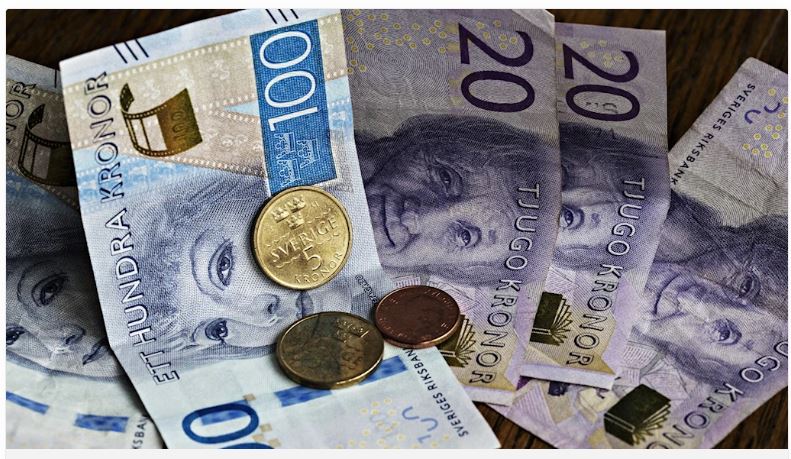
After a strong rally that made the Swedish krona a market story in recent years, the currency has slipped into one of the weakest positions among advanced-economy currencies — a reversal with tangible consequences for exporters, importers, investors and policymakers across the Nordics. This article explains the economic and policy drivers behind the krona’s reversal, contrasts the divergent fortunes of neighbouring currencies, and sets out practical scenarios and strategic responses for senior executives, investors and public-sector decision‑makers.
From leader to laggard: the new FX landscape
Currency markets are telling a different story today than they did a year ago. Where the krona was recently celebrated for its strength, it has moved into the lower ranks among the most‑traded currencies. At the same time, the Norwegian krone has been one of the region’s clear winners, supported by energy prices and Norway’s fiscal position, while commodity-linked currencies such as the Australian and New Zealand dollars have also outperformed. These shifts reflect changing interest‑rate expectations, commodity cycles, and differentiated policy and growth outlooks across markets.
What’s driving the krona’s weakness
Several interlocking factors have pushed the krona lower. Senior decision‑makers should focus on the structural and cyclical drivers that matter for strategy and risk management.
– Interest‑rate differentials and central‑bank signalling. FX moves are highly responsive to relative monetary policy. When the U.S. dollar path — and therefore the Federal Reserve’s policy stance — contrasts with the Riksbank’s trajectory, capital flows realign. Perceptions of policy divergence, even if temporary, can widen the effective yield gap and weigh on capital‑sensitive currencies such as the krona.
– Economic growth and external demand. Sweden’s export performance, export orders and industrial activity influence currency valuation. A slowdown in key trading partners or weakness in global manufacturing reduces FX inflows and can amplify depreciation pressures.
– Energy and commodity dynamics. Norway benefits from oil and gas exports; higher energy prices tend to strengthen the Norwegian krone and tilt regional capital flows. Sweden, without comparable commodity exports, is more exposed to discretionary capital movements.
– Risk sentiment and safe‑haven flows. In periods of geopolitical risk or global market stress, investors often favour the U.S. dollar and other perceived safe havens. That dynamic can disproportionately penalise smaller, open-economy currencies.
– Domestic vulnerabilities. Sweden’s housing market, household balance sheets, and corporate debt exposures can influence risk premia and investor confidence. Currency depreciation can make imported capital goods and energy more expensive, complicating corporate planning and fiscal projections.
Nordic divergence: winners and losers
Understanding relative currency moves is necessary for cross‑border strategy.
Norway: A stronger krone has reflected energy revenues, a comfortable fiscal buffer and foreign‑currency inflows linked to commodity export receipts. That strength benefits Norwegian corporates importing intermediate goods but can compress margins for exporters.
Finland and Denmark: These economies show more muted FX moves; Denmark’s fixed exchange rate policy delivers a different risk profile, while Finland’s euro membership isolates it from currency swings.
Australia and New Zealand: Commodity cycles and interest‑rate expectations explain much of their performance, demonstrating how resource endowments shape currency outcomes.
Why this matters now — business and policy implications
The krona’s swing is not a niche market story. It has concrete effects that senior executives and policymakers must factor into strategic decision‑making.
Corporates: Revenue and cost forecasting must incorporate currency scenarios. Exporters may gain short‑term competitiveness from a weaker krona, but imported inputs, capital equipment and energy become costlier. Hedging policies, currency invoicing practices and pricing strategies need review.
Investors and M&A: Currency moves affect deal valuation, expected returns and the attractiveness of Swedish assets to foreign buyers. Weakening currency can create acquisition opportunities but also signals macro risks that affect discount rates.
Policymakers: A depreciating krona complicates inflation and macro stability trade‑offs. Imported inflation can constrain monetary easing, while a weaker currency may support export growth. Clear communication on the Riksbank’s policy path and fiscal credibility is essential to anchor expectations.
Sustainability and capital investment: Currency weakness raises the local cost of imported green technologies (e.g., wind turbines, electrolysers), potentially slowing decarbonisation plans unless offset by targeted incentives or procurement strategies.
Scenario outlook: three paths forward
For planning, consider three plausible scenarios over the next 12–24 months.
Stabilisation and re‑rally. If global growth improves, the Riksbank signals a relatively tighter stance, or Sweden outperforms peers, the krona could recover. This scenario supports export resilience but implies higher imported capital affordability.
Persistent underperformance. If the Fed remains relatively more hawkish, commodity prices stay elevated, or domestic growth weakens, the krona may stay subdued. This favours export price competitiveness but raises imported inflationary pressures and project costs.
Volatile oscillation. Geopolitical shocks or sudden shifts in risk appetite could produce recurrent bouts of volatility. This calls for flexible hedging, rolling forecast revisions and stress‑tested capital allocation plans.
Strategic recommendations for decision‑makers
Reassess FX exposures and hedging: Revisit currency risk policies, consider layering hedges, and align hedging horizons with cash‑flow cycles. Use natural hedges (local sourcing, currency‑matched financing) where feasible.
Price and contract agility: Build clauses that allow periodic price adjustment or currency indexing in export contracts while preserving customer relationships.
Capital‑expenditure sequencing: For large, imported green‑tech investments, evaluate timing, local procurement options, and financing in foreign currency to reduce translational costs.
M&A and portfolio allocation: Factor currency scenarios into valuation models and consider opportunistic foreign acquisitions as a hedge against domestic currency weakness.
Policy engagement: Business leaders should communicate with policymakers about the implications of currency moves for investment, competitiveness, and the green transition. Transparent policy paths reduce uncertainty for capital allocation.
Conclusion — a test of strategy and institutional credibility
The krona’s reversal is more than a headline: it exposes how monetary policy, commodity cycles, investor psychology and domestic fundamentals interact to shape the economic playing field. For Nordic businesses and international investors, the immediate task is to translate currency volatility into actionable risk management and strategic choices. For policymakers, the priority is clear communication and calibrated action that preserves stability while enabling long‑term competitiveness — especially as the region invests in decarbonisation, digital transformation and value‑chain resilience. In a globalised capital market, currency swings are a persistent strategic variable; the best prepared organisations will be those that integrate FX into scenario planning, financing and procurement decisions rather than treating it as a short‑term market noise.