How a rare hantavirus exposure aboard an international flight is reshaping Nordic preparedness, regulatory flexibility, and cross-border risk management
Finland’s decision to quarantine two individuals potentially exposed to the Andes strain of hantavirus may appear, at first glance, to be a limited public health intervention involving a rare infectious disease. In reality, the episode reflects a broader strategic shift underway across Europe: governments are increasingly treating biological risk, mobility networks, and health resilience as integral components of economic security.
The two passengers had travelled on a flight from Johannesburg to Amsterdam on 25 April alongside a traveller later identified as carrying the Andes virus, a rare hantavirus strain capable of limited human-to-human transmission. The infected passenger was removed from the aircraft after becoming ill and died the following day. Finnish authorities later confirmed that the exposed individuals remained asymptomatic.
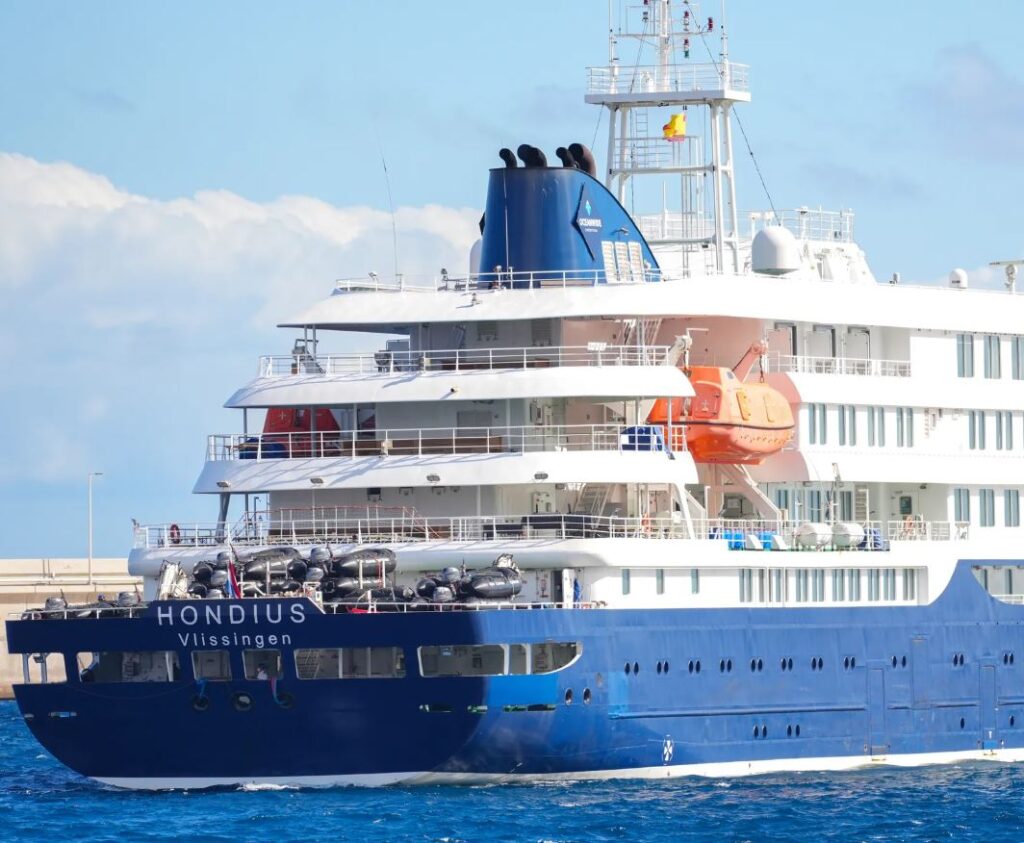
The incident has gained wider significance following a cluster of Andes virus cases linked to the Dutch expedition cruise vessel MV Hondius, where several passengers became infected and multiple fatalities were reported. In response, Finland’s government formally classified disease caused by the Andes virus as a “generally dangerous communicable disease,” granting authorities broader legal powers to impose quarantine measures and compensate individuals unable to work during isolation.
While health officials continue to stress that the current risk to the public remains very low, the policy response highlights how Nordic governments are recalibrating their approach to low-probability but high-impact health events in an era of intense international mobility.
A Rare Virus With Outsized Strategic Implications
Hantaviruses are typically transmitted from rodents to humans through exposure to contaminated droppings, urine, or saliva. The Andes strain, found primarily in South America, is unusual because it is the only known hantavirus associated with documented human-to-human transmission.
The virus can cause hantavirus pulmonary syndrome (HPS), a severe respiratory illness with a historically high fatality rate. There is currently no approved vaccine or curative antiviral treatment.
From a purely epidemiological perspective, the probability of widespread transmission remains low. European and international health agencies have repeatedly emphasized that the Andes virus does not present pandemic-like characteristics. Transmission generally requires prolonged close contact, unlike highly contagious airborne respiratory viruses.
However, the strategic concern lies elsewhere.
The incident demonstrates how modern transport systems — particularly aviation and cruise tourism — can rapidly internationalize localized outbreaks. A pathogen endemic to parts of South America can now trigger coordinated monitoring operations across multiple European jurisdictions within days.
For policymakers and business leaders, this is increasingly viewed not simply as a health issue, but as an operational resilience challenge affecting travel, logistics, workforce continuity, insurance exposure, and public confidence.
Finland’s Regulatory Response Reflects Nordic Pragmatism
Finland’s response has been notably measured, combining precautionary regulation with calm public communication.
Social Security Minister Sanni Grahn-Laasonen described the classification change as a preventive step intended to ensure authorities possess the necessary legal tools should conditions deteriorate. Importantly, officials simultaneously emphasized that the immediate public threat remains minimal.
This dual-track approach — proactive preparedness without alarmism — is increasingly characteristic of Nordic governance models.
The amendment enables Finnish authorities to:
- Impose quarantine measures on exposed individuals
- Expand contact-tracing capacity
- Provide infectious disease compensation for workers unable to perform their duties during isolation
- Coordinate more efficiently with European and international health agencies
The decision also illustrates how lessons from the COVID-19 pandemic continue to shape European regulatory thinking. During the pandemic, governments frequently struggled to balance civil liberties, economic continuity, and rapid intervention. Today, many countries are moving toward more targeted legal mechanisms designed for rapid activation during emerging biological events.
For investors and multinational employers operating in the Nordics, the message is increasingly clear: governments intend to maintain high preparedness capacity without resorting to economically disruptive blanket restrictions.
The MV Hondius Outbreak Highlights the Risks of Global Mobility
The outbreak associated with the MV Hondius expedition vessel has become an important case study in cross-border outbreak management.
Passengers and crew from more than 20 countries reportedly travelled through multiple aviation hubs before authorities fully understood the nature of the illness onboard. European health agencies, including the European Centre for Disease Prevention and Control (ECDC), have since coordinated repatriation protocols, quarantine guidance, and risk assessments across several jurisdictions.
The episode underscores how rapidly specialized tourism sectors — particularly expedition cruises, eco-tourism, and remote travel experiences — can become entangled with global public health systems.
This matters economically.
The global cruise industry, which only recently recovered from the financial and reputational damage inflicted during the COVID era, now faces renewed scrutiny around onboard health protocols, emergency medical capabilities, and passenger traceability.
At the same time, airlines and airport operators continue to confront the growing complexity of infectious disease management in high-volume international transit networks.
For Nordic economies, which are deeply integrated into global trade and travel flows despite relatively small domestic populations, resilience increasingly depends on rapid coordination between health agencies, border authorities, transport operators, and employers.
Why This Matters for Business Leaders
Although the immediate outbreak risk remains limited, the broader implications are significant for corporate strategy and public policy.
1. Biological Risk Is Becoming a Permanent Governance Issue
Health security is no longer viewed solely through the lens of hospitals and emergency response. Boards, insurers, and institutional investors increasingly treat infectious disease preparedness as part of enterprise risk management.
Companies operating internationally are under growing pressure to strengthen:
- Workforce contingency planning
- Travel risk monitoring
- Remote operational capability
- Supply chain diversification
- Crisis communication frameworks
This trend is particularly visible in sectors dependent on international mobility, including aviation, tourism, logistics, offshore industries, and global manufacturing.
2. Europe Is Moving Toward Faster Coordinated Health Governance
The Andes virus response illustrates the degree to which European health coordination has evolved since 2020.
Institutions such as the ECDC, national public health agencies, and the World Health Organization are now operating with substantially faster information-sharing frameworks and clearer operational protocols for cross-border incidents.
For businesses, this creates a more predictable — though more compliance-intensive — regulatory environment.
3. Public Trust Has Become a Strategic Asset
One of the more striking aspects of Finland’s handling of the situation has been the restrained tone of official communication.
Authorities have avoided sensationalism while remaining transparent about uncertainty.
This matters because trust has become economically consequential. During crises, public confidence directly affects consumer behaviour, labour stability, market sentiment, and institutional credibility.
Nordic countries generally retain comparatively high levels of public trust, giving them structural advantages in crisis management compared with more polarized political environments.
A Reminder That Preparedness Has Economic Value
The Andes virus situation is unlikely to evolve into a large-scale public health emergency. International health agencies continue to assess the risk to the general population as low.
Yet the episode serves as a reminder that biological threats — even rare ones — now operate within a world defined by dense mobility networks, geopolitical fragmentation, climate-related ecological shifts, and increasingly interconnected supply chains.
For governments, preparedness is becoming an economic competitiveness issue as much as a healthcare one.
For companies, resilience planning is no longer optional operational overhead. It is part of fiduciary responsibility.
And for Europe, the ability to respond rapidly, proportionately, and collaboratively to emerging risks may prove increasingly important to maintaining both economic stability and public confidence in an uncertain decade ahead.