Denmark’s Foreign Policy Committee has given conditional political approval for Copenhagen to express readiness to contribute military assets to a Franco‑British‑led effort to restore secure navigation in the Strait of Hormuz. The approval is given with a “parliamentary reservation”: any concrete deployment will require a subsequent, case‑specific green light from parliament. Ministers framed the move as solidarity with like‑minded countries, including Nordic and Baltic partners, and as proportional to Denmark’s national interests and current security posture.
For senior executives, investors and policymakers, the decision matters because the Strait remains a chokepoint for global energy and trade flows. Danish participation — even if limited to non‑combat or enabling contributions — signals Europe’s increased willingness to protect commercial shipping, heightens the profile of maritime security in corporate risk planning, and has implications for insurance, logistics costs and defence procurement choices.
Parliamentary green light — with conditions
Following deliberations in the Foreign Policy Committee, Acting Foreign Minister Lars Løkke Rasmussen and Acting Defence Minister Troels Lund Poulsen announced that Denmark may now formally state its readiness to support an international maritime operation in the Strait of Hormuz. The committee’s “parliamentary reservation” permits Brussels and NATO/coalition partners to count Denmark among potential supporters, but it does not authorise deployment. Any specific contribution — scope, mandate, duration, rules of engagement and force elements — must be approved by the full parliament when an operational plan is tabled.
Ministers emphasized two constraints: Denmark will only consider engagement after active hostilities have ceased, and the Danish defence forces are still mapping feasible contributions. Public signals from France — including the movement of carrier assets — have catalysed the initiative, and several European and regional partners are reported to be prepared to join a stabilisation mission if required.
What Denmark might realistically contribute
Denmark faces a choice between signalling solidarity and over‑extending limited defence resources. Given current force posture and the domestic political sensitivity around kinetic operations far from home, likely Danish contributions — if approved — would be in the non‑combat or enabling spectrum:
- Maritime domain awareness: intelligence sharing, maritime patrol aircraft tasking, and satellite or coastal sensor access.
- Mine countermeasures and explosive‑ordnance disposal teams.
- Escort or logistics support for convoys in permissive environments.
- Command, control and liaison officers for coalition coordination.
- Specialised technical assistance (cybersecurity for maritime infrastructure, legal and inspection teams).
Senior defence officials have signalled that deploying a major surface combatant such as a frigate is unlikely in the present security context — underlining Copenhagen’s pragmatic assessment of capabilities versus risk appetite.
Why this matters now: economic and strategic implications
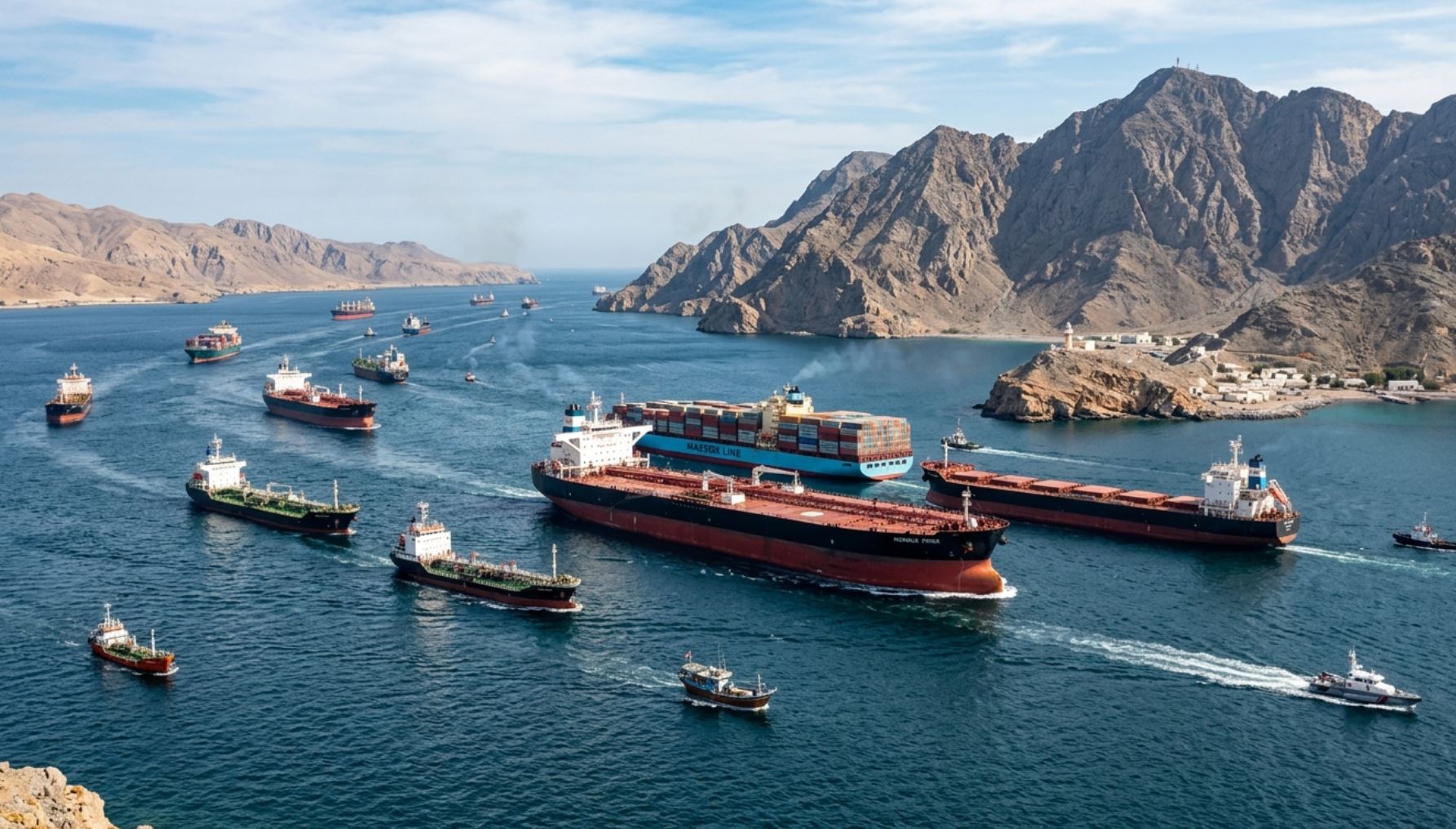
The Strait of Hormuz remains a strategic artery for energy and global trade; disruptions can translate quickly into higher insurance premiums, elongated voyage times if ships reroute, and volatility in energy markets. For Danish and Nordic businesses — shipping companies, energy firms, freight forwarders, and manufacturing exporters — even a temporary escalation raises operational costs and supply‑chain risk.
Key implications for investors and corporate leaders:
- Insurance and logistics costs: War‑risk premiums and rerouting add direct costs and delivery uncertainty.
- Energy markets: Spikes in crude or refined‑product prices transmit through input costs for energy‑intensive industries.
- Shipping and port operations: Hedging strategies, route flexibility and contingency logistics will gain urgency.
- Defence sector demand: European contributions can stimulate procurement for ISR, unmanned maritime systems and mine‑countermeasure capabilities — sectors where Nordic suppliers are competitive.
Comparative Nordic and international perspective
Nordic solidarity has increasingly manifested in coordinated security stances. Small and medium defence economies like Denmark typically favour targeted, interoperable contributions that multiply coalition effects without exposing forces to open‑ended combat. Norway’s substantial maritime capabilities, Sweden’s surveillance assets, and the Baltic states’ political support have in other contexts complemented such approaches. For EU and NATO partners, Danish participation — even if modest — enhances legitimacy and burden‑sharing.
Strategic risks, legal questions and escalation dynamics
Several risks deserve close attention from decision‑makers and investors:
Escalation: Coalition operations risk escalation with regional actors; the legal and political threshold for kinetic action must be clearly defined.
Mission creep: A narrowly defined stabilisation mandate can expand into longer‑term commitments; exit criteria are essential.
Legal basis: Coalition rules of engagement, UN authorisations (where applicable), and compliance with maritime law will shape operational legitimacy and corporate behaviour (e.g., insurers’ assessments).
Domestic politics: Parliamentary approval processes mean the government must maintain political consensus and public support for any deployment.
Longer‑term strategic signals
Denmark’s readiness to engage — conditional and calibrated — reflects broader trends:
European defence integration: Increased willingness to contribute to out‑of‑area stabilisation underscores Europe’s intent to shoulder more maritime security responsibilities alongside the US and UK.
Technological emphasis: Future operations will favour ISR, unmanned systems, and multinational data‑sharing architectures over heavyweight platform deployments.
Commercial‑security convergence: Businesses need to integrate maritime security scenarios into resilience planning, including investments in digital tracking, alternative sourcing, and contractual protections against supply‑chain disruption.
Conclusion: calibrated engagement with an eye to resilience
Denmark’s parliamentary reservation is a pragmatic signal: Copenhagen supports coalition efforts to secure a vital maritime chokepoint but insists on political oversight and clear operational parameters. For policymakers and business leaders, the moment calls for three priorities:
1. Clarity: Define legal mandates, exit conditions and a narrow scope for any deployment to limit escalation and mission creep.
2. Resilience: Companies should reassess supply‑chain vulnerabilities, insurance positions and contingency routes; investors should price in short‑term volatility and medium‑term demand for maritime security technologies.
3. Investment: Governments should accelerate investments in ISR, unmanned maritime systems, mine‑countermeasures and cyber protection — areas where Nordic industry can export capability while bolstering national security.
This is not a single‑issue decision for Denmark; it is a signal to markets and partners that European states are prepared to protect commercial maritime flows — but will do so on a calibrated, politically accountable basis. Senior leaders should treat the development as both a near‑term risk to manage and a strategic inflection point for defence posture, industrial policy and corporate risk management.