For decision-makers navigating an increasingly complex risk landscape—where geopolitical shocks, supply chain vulnerabilities, and public health threats converge—separating signal from noise is critical. Recent reports of hantavirus infections, including a fatal cluster on a cruise ship, have generated headlines and public concern. However, leading global health authorities, including the World Health Organization (WHO) and the U.S. Centres for Disease Control and Prevention (CDC), stress that hantavirus poses a low risk to the general population. This article examines the epidemiological realities distinguishing hantavirus from COVID-19, the role of post-pandemic anxiety in shaping public perception, and why business leaders should view this as a localized health issue rather than a systemic threat.
The Attention Gap: When Collective Trauma Meets Infectious News
More than three years after the declaration of the COVID-19 pandemic, societies remain hypersensitised to outbreak narratives. Public health experts point to a phenomenon now familiar in behavioural economics and crisis communication: the elevation of rare but vivid risks in the public imagination, particularly when preceded by a traumatic global event.
This heightened sensitivity is not irrational—it is adaptive. Yet it frequently leads to a disconnect between perceived and actual danger. Media systems, operating within attention-driven economies, can amplify rare disease clusters without always providing proportionate epidemiological context. The result is a cycle of unease that policymakers and corporate leaders must learn to navigate with clarity rather than reactivity.
Crucially, uncertainty is not synonymous with threat. Understanding the structural differences between pathogens is essential for evidence-based decision-making.
Hantavirus vs. SARS-CoV-2: A Comparative Risk Assessment
While both viruses can cause severe illness, their transmission dynamics and pandemic potential are fundamentally different. Below is a strategic comparison for senior audiences:
| Feature | Hantavirus (Andes strain) | COVID-19 (SARS-CoV-2) |
| Primary transmission route | Rodent-to-human (via aerosolised droppings or urine) | Human-to-human (respiratory aerosols and droplets) |
| Human-to-human spread | Extremely rare; requires prolonged, close contact | Highly efficient; airborne and pre-symptomatic spread |
| Incubation period | 1–8 weeks | 2–14 days |
| Scientific understanding | Well-characterised; decades of research | Novel in 2020; evolved in real time |
| Case fatality rate (HPS) | 30–40% (high but geographically contained) | Significantly lower (~1–2% in most waves, but high cumulative mortality) |
The critical takeaway for investors and policymakers: transmissibility, not severity alone, determines pandemic risk. Hantavirus is poorly adapted for sustained human-to-human spread, whereas SARS-CoV-2 exploited respiratory efficiency and asymptomatic transmission.
The Andes Strain and the MV Hondius Cluster: A Localised Event, Not a Template
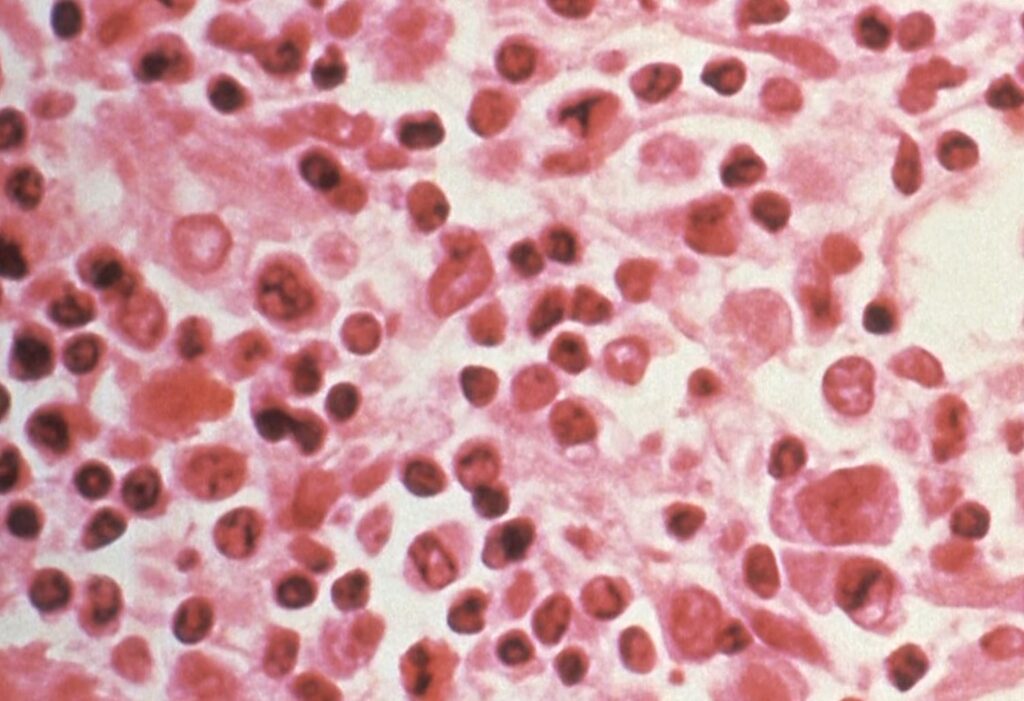
Recent attention has focused on an unusual cluster of Andes virus infections—the only hantavirus strain known to have caused limited human-to-human transmission—aboard the cruise ship MV Hondius. Among eight confirmed cases, three have been fatal, representing a 38% case fatality rate.
While deeply tragic for those affected, this cluster does not signal a new pandemic trajectory. The WHO continues to classify the global risk from hantavirus as low. Person-to-person transmission of the Andes strain requires prolonged, close contact, typically within households or enclosed groups over extended periods. It lacks the airborne efficiency and rapid super-spreading dynamics characteristic of influenza or coronaviruses.
For Nordic and international business leaders, the operational implications are minimal beyond standard travel health advisories for rural or rodent-endemic regions. For cruise operators and tourism stakeholders, targeted biosafety protocols—particularly in Patagonian and Andean routes—may be prudent.
Why This Matters Now: Risk Perception in Boardroom Strategy
The strategic lesson from the hantavirus episode lies not in the pathogen itself, but in how post-COVID anxiety distorts risk prioritisation. In an era of polycrisis—where climate change, energy security, and digital fragmentation demand attention—overreacting to statistically rare health events carries an opportunity cost.
Executives and investment committees would do well to distinguish between:
– High-impact, low-probability events requiring contingency planning (e.g., novel pandemics, systemic cyberattacks)
– Low-impact, low-probability events best managed via routine protocols (e.g., isolated hantavirus cases)
The former demands resilience investment; the latter risks consuming disproportionate governance attention.
Long-Term Trends and Future Outlook
Looking ahead, three developments warrant monitoring:
1. Zoonotic spillover surveillance – As climate change alters rodent habitats, hantavirus incidence may shift geographically. Nordic countries with robust public health systems are well-positioned to detect and contain such changes.
2. Behavioural contagion – The greatest risk from rare outbreaks may be social and economic (travel cancellations, trade friction) rather than epidemiological. Leaders must build communication strategies that pre-empt panic.
3. Vaccine and therapeutic pipelines – While no broadly licensed hantavirus vaccine exists, candidates are in development. For endemic regions (e.g., parts of Scandinavia, Germany, the Balkans, and the Americas), this remains a relevant public health investment.
Conclusion: Strategic Calm in an Age of Outbreak Anxiety
Hantavirus is a serious pathogen for those infected, but it is not a plausible pandemic threat. The current wave of concern reflects the lingering shadow of COVID-19 rather than a new virological reality. For senior executives, investors, and policymakers across the Nordic region and beyond, the imperative is clear: maintain epidemiological literacy, resist alarm-driven decision-making, and focus systemic risk management on threats that match their probability.
Infectious disease will remain a feature of the 21st century. The competitive advantage will belong not to those who fear every outbreak, but to those who respond with precision, proportionality, and perspective.
— Nordic Business Journal, Risk & Resilience Desk