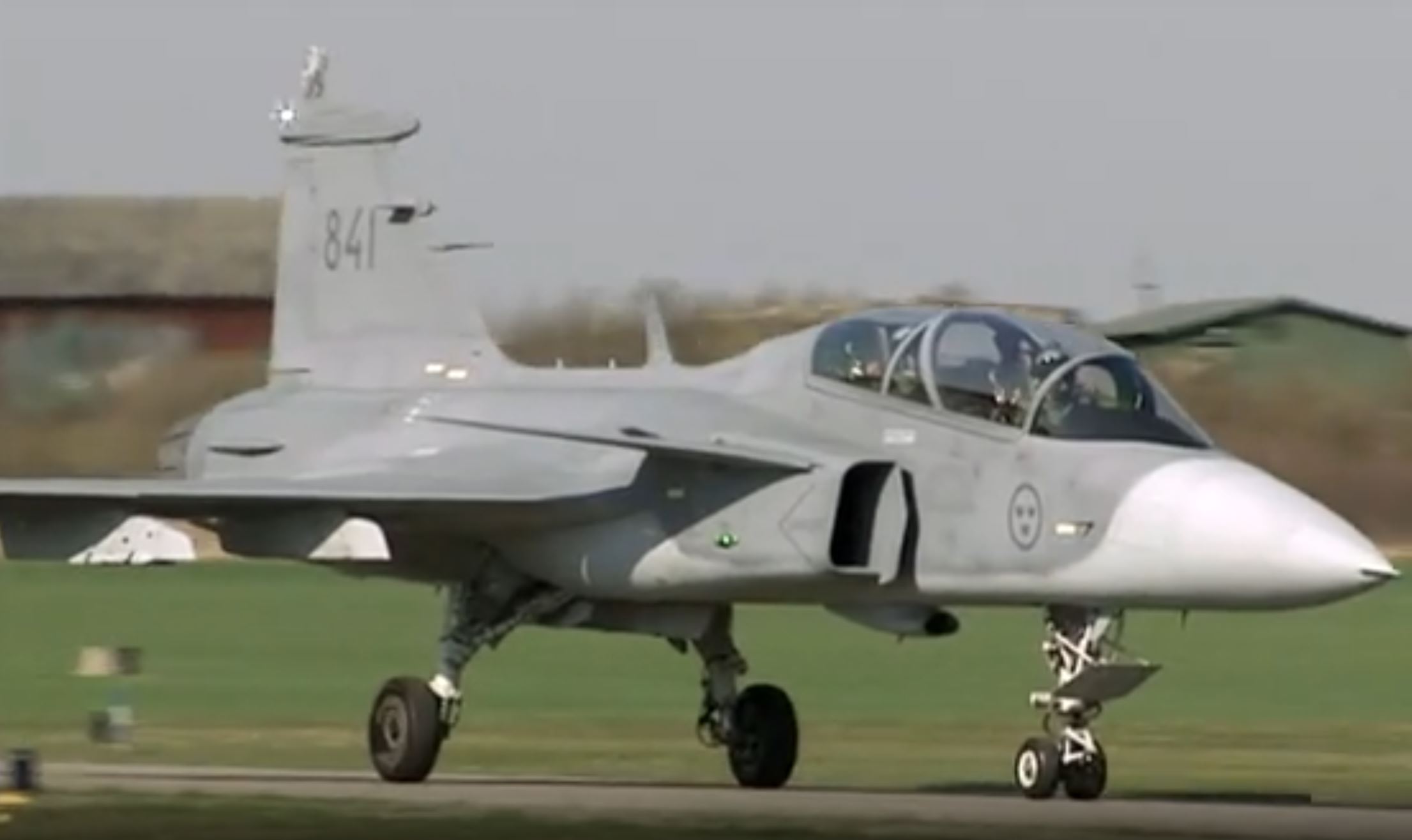
In April 2026 Mexico’s air force confirmed a fast-tracked program to replace its ageing F-5 fleet with at least 12 new combat aircraft by 2028. The Swedish Saab JAS 39 Gripen E/F has been formally named among four finalists alongside the Lockheed Martin F‑16 Block 70/72 Viper, South Korea’s KAI FA‑50 and Italy’s Leonardo M‑346FA. For business leaders, investors and policymakers, this is more than a procurement: it is a test of Mexico’s defence industrial strategy, fiscal priorities, and geopolitical posture in a region witnessing renewed aviation competition. The Gripen’s candidacy rests on economics, sovereign-control arguments and growing regional momentum—but procurement risks, industrial offsets and strategic dependencies will determine whether Mexico chooses cost-efficiency or alliance-aligned interoperability.
Why this decision matters now
Urgency: The Mexican Air Force (FAM) is operating with a rapidly eroding supersonic capability—reports indicate just five to six F‑5 airframes remain airworthy—creating operational and political pressure for a timely replacement.
Timing and capacity: A 2028 in-service target narrows supplier windows for production slots, pilot and maintainer training, and weapons integration.
Geopolitics: Sweden’s NATO accession and the war in Ukraine refocused European defence industrialisation and demonstrated appetite for diversified suppliers. Simultaneously, frictions in bilateral ties with the United States have nudged Mexico toward options that emphasize “no‑dependency” sourcing and more flexible technology transfer.
Regional precedent: Saab’s footprint in Latin America—anchored by Brazil’s selection of the Gripen E in the 2010s and recent reported steps in Colombia and Peru—adds commercial credibility and offers potential regional interoperability benefits.
The Gripen’s strengths and strategic appeal
Lower life‑cycle cost: Saab markets the Gripen on lower acquisition and operating costs relative to F‑16 variants and heavier Western fighters—a critical consideration for Mexico’s constrained defence budget.
Sovereign control and flexible offsets: Saab’s approach to industrial cooperation, training and local maintenance is often framed as less encumbered by third‑party export controls, which appeals to nations seeking autonomy over weapons support and upgrades.
Modern platform: The E/F variants include AESA radar, modern avionics and data‑link capabilities that support multirole missions and networked operations. For middle‑tier air forces, that balance of capability and cost is attractive.
Regional supply chain and political optics: Demonstrated acceptance of the Gripen in Latin America reduces perceived delivery and sustainment risk, and gives Mexico political cover to diversify suppliers beyond the US defence ecosystem.
Competitive pressures and trade-offs
Interoperability vs. independence: Selecting the F‑16 would maximize interoperability with US forces and legacy logistics, and could come with US security cooperation advantages. However, F‑16 sales require US approval under Foreign Military Sales (FMS) rules and may carry conditions Mexico prefers to avoid.
Capability spectrum: The FA‑50 and M‑346FA are lighter, potentially cheaper options that may meet some training and air policing roles but offer more limited air‑combat performance than the Gripen or F‑16. If Mexico prioritizes a near-peer air‑defence punch, heavier multirole fighters remain the preferred path.
Weapons and systems integration: Beyond airframes, the procurement decision hinges on munitions, sensors, EW suites and datalink ecosystems—areas where proprietary US systems dominate and where Saab must demonstrate seamless integration with Mexico’s preferred ordnance and C4ISR architecture.
Industrial offsets and domestic value: Mexico will weigh immediate delivery timelines against longer‑term industrial benefits. Offers that include local sustainment hubs, assembly, technology transfer and training will be more politically attractive.
Risks and constraints
Budgetary realism: Even a 12‑aircraft buy is capital‑intensive. Economic headwinds, shifting priorities or electoral cycles could delay payments or scale backs.
Delivery and training timelines: Achieving IOC by 2028 requires available production slots, accelerated pilot conversion and ground‑crew training—a logistical challenge for any supplier.
Geopolitical pressure: Washington may exert diplomatic or congressional influence to favour US vendors; conversely, Mexico’s strategic autonomy argument could strengthen domestic political support for non‑US options.
Operational sustainment: Long‑term sustainment costs and supply-chain resilience are often underestimated in initial bids. Mexico must secure reliable spares pipelines, maintenance training and local capabilities to avoid capability gaps.
Business and investment implications
Aerospace suppliers: A Gripen selection would create opportunities for tier‑1 and local suppliers in avionics, maintenance, simulation, and training services—especially if Saab commits to in‑country sustainment capabilities.
Defence investors: The procurement underscores clustering effects in Latin America; firms in maintenance, MRO and training stand to gain from expanded regional orders.
Policymakers: Mexico faces a strategic choice between aligning procurement with a dominant security partner for interoperability benefits, or diversifying suppliers to maintain greater operational sovereignty.
Entrepreneurs and tech firms: Modern fighters are increasingly platforms for digital and sensor ecosystems. Mexican and Nordic SMEs offering software, secure datalinks, predictive maintenance and simulation tools should eye partnership opportunities.
Scenarios and forward outlook
Gripen selected: Mexico advances a cost‑efficient, sovereign‑lean air capability, possibly expanding to 24 aircraft over time. Regional supply-chain and training hubs could follow, positioning Mexico as a Latin American Gripen operator and opening industrial collaboration.
F‑16 chosen: Close interoperability with the US military would strengthen defence ties, but Mexico may accept tighter export‑control conditions and potentially higher lifecycle costs.
Light fighters selected: A choice like the FA‑50 or M‑346FA could fill an immediate capability gap quickly and affordably but would limit high‑end air‑combat options, potentially requiring follow‑on purchases.
Why decision‑makers should care
This procurement is illustrative of a broader trend: middle powers balancing alliance interoperability, domestic industrial development and strategic autonomy in a more fragmented geopolitical landscape. For executives and investors, it signals where defence demand and supplier competition will concentrate in Latin America. For policymakers, it underscores the need to shape procurement processes that balance transparency, cost control and long‑term sustainment.
Conclusion: strategic choices, not just aircraft
Mexico’s fighter competition is about more than a platform selection; it is a moment to define defence-industrial relationships, budgetary discipline and international alignment. Saab’s Gripen offers an attractive economic and sovereignty narrative, but operational, political and logistical realities will determine the outcome. For business leaders and policymakers, the key questions are: Which trade-offs are acceptable—interoperability or independence, near-term availability or long-term industrial benefit—and how will Mexico structure offsets, training and sustainment to translate new aircraft into persistent, credible capability?
Recommendations for stakeholders
For investors: Map supplier ecosystems and pursue partnerships in training, MRO and avionics—areas that generate recurring revenue beyond the platform sale.
For Mexican policymakers: Insist on transparent procurement criteria that weigh lifecycle costs, delivery realism, and verifiable industrial offsets.
For suppliers: Propose clear timelines, locally anchored sustainment plans and demonstrable weapons/systems integration to reduce buyer risk.
For regional partners: Consider interoperability benefits of harmonised procurement to lower costs and enhance collective security.
The coming months will reveal whether Mexico prioritises cost‑effective sovereignty or alliance‑aligned interoperability. Either way, the decision will reverberate across Latin America’s defence market and offer lessons for midsize powers navigating a complex global supply and political environment.