The region’s military-industrial complex is undergoing its most profound transformation since the Cold War—driven by NATO integration, geopolitical recalculation, and a fundamental rethinking of strategic autonomy.
Executive Summary
The Nordic defence industry has ceased to be a collection of national suppliers and has become, instead, a deeply integrated strategic ecosystem. With combined defence spending across Denmark, Finland, Norway, and Sweden surging past $53 billion—more than doubling since 2020—the region is not merely rearming. It is redefining what a medium-sized, high-technology defence economy can achieve in an era of great-power competition.
For executives, investors, and policymakers, the implications extend far beyond procurement spreadsheets. The Nordic model—characterised by cross-border industrial consolidation, state-backed venture capital in dual-use technologies, and a deliberate blurring of lines between civilian innovation and military application—offers a template for how allied nations can scale defence production without sacrificing fiscal discipline or democratic oversight.
Yet this expansion carries risks: supply-chain bottlenecks, workforce constraints, and the perennial tension between export ambitions and national security imperatives. Understanding these dynamics is essential for anyone positioning capital or policy in European security markets over the coming decade.
Sweden: The Industrial Anchor
A Fiscal Transformation
Sweden’s defence budget has become the clearest barometer of Europe’s changed threat perception. The government enacted an 18% increase for 2026, injecting an additional SEK 26.6 billion ($2.9 billion) and pushing defence expenditure to 2.8% of GDP—levels unseen in a generation. Legislative commitments now target 3.1% by 2028 and 3.5% by 2030, aligning with NATO’s newly elevated spending benchmarks.
The fiscal trajectory is striking. Sweden has suspended its debt ceiling to accommodate this build-up, a move that reflects both the gravity of the security environment and the government’s confidence in the industrial multiplier effect of defence investment. The Swedish Ministry of Defence estimates the sector already generated 6,000 new jobs in 2024 alone—a figure that understates the broader economic impact given the high R&D intensity of Nordic defence manufacturing.
The Procurement Pipeline
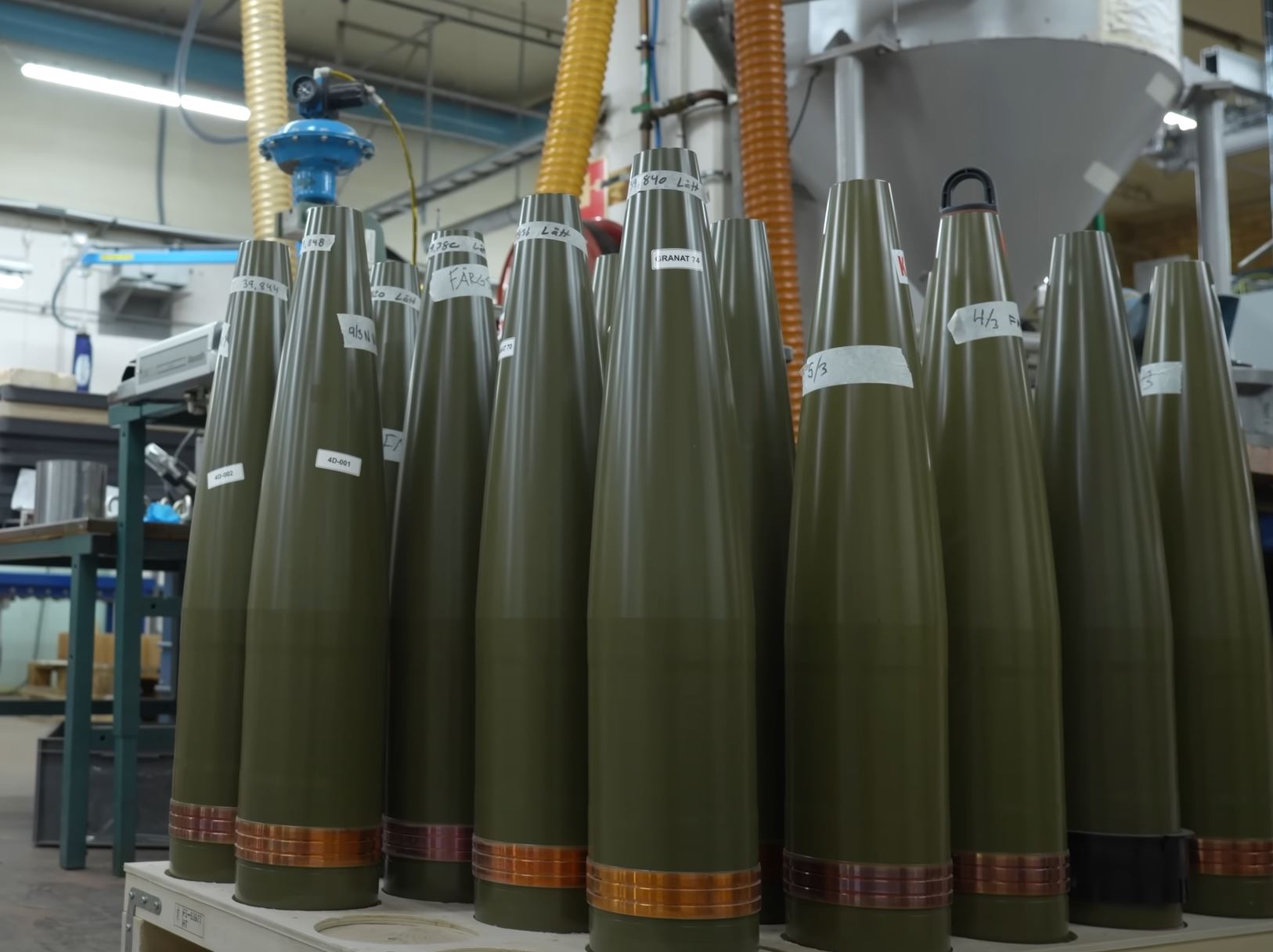
The Swedish Defence Materiel Administration (FMV) is distributing contracts at an unprecedented pace. The landmark SEK 50 billion air defence expansion—encompassing Patriot systems, counter-drone architectures, and naval missile integration—represents merely the most visible element of a procurement pipeline now valued at over SEK 100 billion in active programmes.
What distinguishes Swedish procurement from the broader European pattern is its emphasis on domestic industrial base preservation. Rather than simply purchasing off-the-shelf systems from American or European primes, FMV structures contracts to maintain Swedish design authority and production capability. The SEK 2.6 billion counter-unmanned aerial systems contract awarded to Saab in early 2026, for instance, bundles Giraffe 1X radar, Trackfire remote weapon stations, and electronic warfare components into an architecture deliberately “agnostic” on the effector side—allowing integration with BAE Systems’ 40mm Tridon guns, Saab’s own 30mm systems, or the company’s Nimbrix interceptor missile.
This approach serves dual purposes: operational flexibility for the Swedish Armed Forces and sustained engineering competence within domestic industry.
Corporate Performance: Saab’s Ascendancy
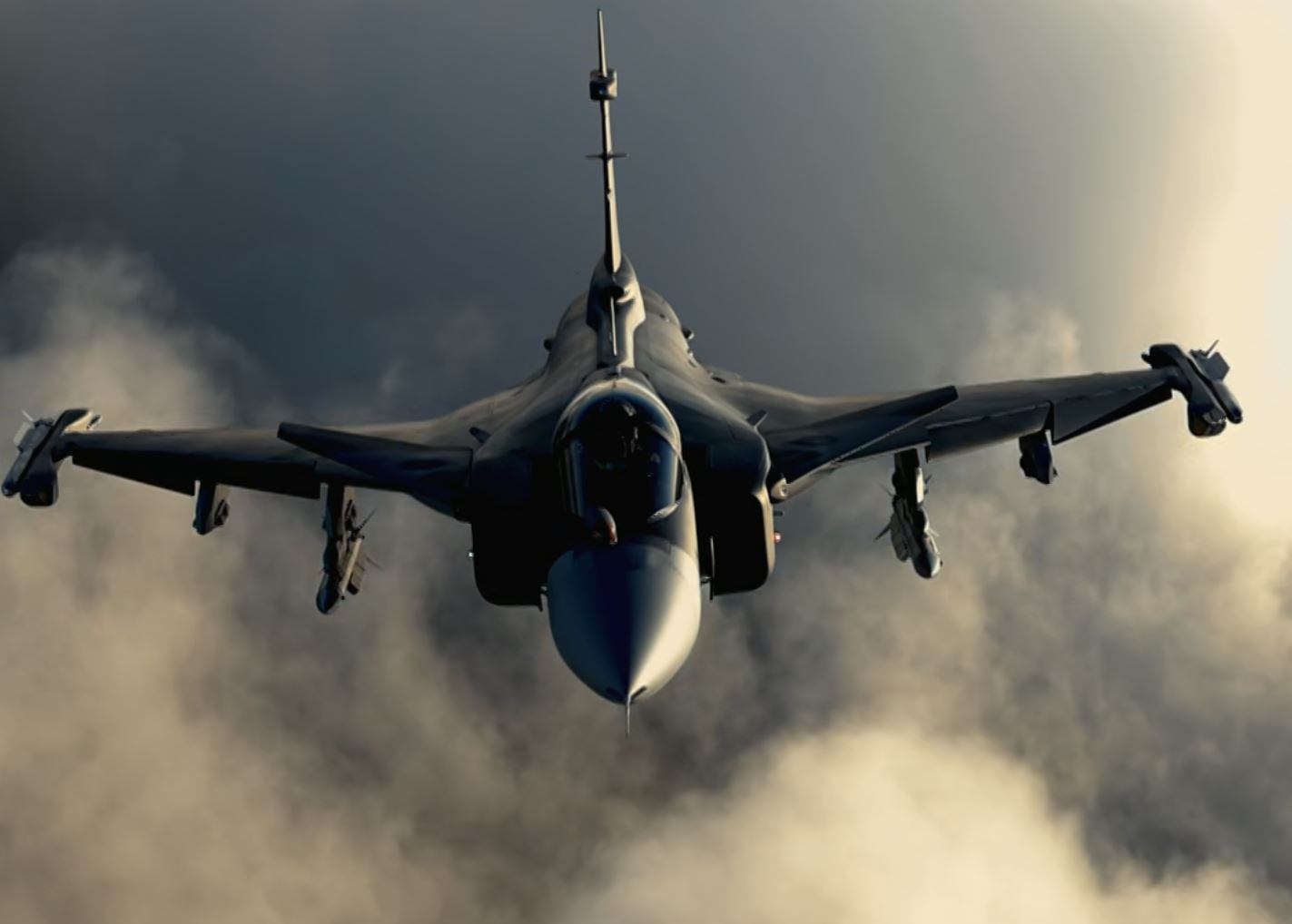
Saab AB has emerged as the region’s most significant corporate beneficiary—and its most complex strategic actor. The company reported SEK 79.1 billion in sales for 2025, with an order backlog reaching SEK 275 billion by year-end, up 45% year-on-year. First-quarter 2026 results showed organic sales growth of 23.6% and an operating margin of 10%, with CEO Micael Johansson confirming a production ramp-up that should lift Gripen fighter deliveries from approximately 15 annually to between 20 and 30.
The Gripen programme illustrates Sweden’s defence-industrial philosophy. Unlike the F-35’s global consortium model, the Gripen E/F remains a nationally controlled platform with selective partnership. Brazil and Hungary continue as key export customers, while Saab pursues NATO standardisation opportunities through the GlobalEye airborne early warning platform—a system now under assessment by nine NATO partner countries seeking a common alliance capability.
Saab’s organisational evolution merits attention. The April 2026 consolidation of its Naval business area—merging the former Kockums shipbuilding division with Naval Combat Systems—creates an integrated offering spanning submarines, surface combatants, and unmanned underwater vehicles. The immediate commercial target is Poland’s Orka submarine programme, where Saab has been named preferred supplier.
The Ammunition Imperative and Nammo’s Expansion
Nammo, the Norwegian-Finnish-Swedish ammunition specialist centred in Karlskoga, has become a critical node in addressing Europe’s artillery shell shortage. Operating at maximum capacity with multiple factory expansions, the company exemplifies a broader continental challenge: scaling legacy munitions production while investing in next-generation capabilities. Nammo’s co-ownership structure—split between Norway’s Kongsberg and Finland’s Patria—underscores the cross-border industrial logic now defining Nordic defence.
MilDef and the Electronics Layer
MilDef Group AB, specialising in rugged tactical electronics and system integration, represents the ecosystem’s lower-tier but strategically vital segment. The company’s quadrupled integration capacity in Stockholm reflects a recognition that modern warfare’s decisive edge often lies not in platforms but in the software-defined layers that connect them. MilDef’s steady double-digit sales growth suggests sustained demand for tactical computing infrastructure across Nordic and NATO forces.
Norway: Missile Dominance and Financial Firepower
Kongsberg’s Strategic Pivot
Norway’s Kongsberg Gruppen has undergone the most significant strategic transformation among Nordic defence primes. In early 2026, the company completed its restructuring into a “technology- and defence-focused” entity, divesting non-core assets to concentrate on its aerospace and defence division. The results are instructive: group operating revenues reached NOK 58.6 billion in 2025 (up ~17%), while Kongsberg Defence & Aerospace alone exceeded NOK 20 billion in annual revenue.
The numbers that matter most, however, are in the order backlog. Kongsberg’s defence backlog reached a record NOK 125.4 billion by year-end 2025, with missiles and air-defence systems accounting for approximately NOK 98 billion of that total. The first quarter of 2026 added NOK 27 billion in new orders, pushing the total group backlog to NOK 152 billion.
NASAMS and the Air Defence Architecture
The National Advanced Surface-to-Air Missile System (NASAMS), developed jointly with Raytheon, has become Kongsberg’s signature product and a case study in sustained programme evolution. The system now serves 14 nations, with Denmark joining the user group in late 2025 through a contract valued at approximately NOK 6 billion. The global NASAMS market, valued at $2.05 billion in 2025, is projected to reach $3.42 billion by 2034—a 5.8% compound annual growth rate driven by air-defence modernisation across NATO and Indo-Pacific allies.
Kongsberg is now expanding NASAMS into “Full Spectrum Air Defence,” broadening coverage across ranges and threat types. The December 2025 acquisition of US firm Zone 5 Technologies—specialising in cost-effective, volume-production missiles—signals a strategic bet that future air defence will require not just sophistication but scalability.
Naval Strike Missiles and Geographic Diversification
The Naval Strike Missile (NSM) and Joint Strike Missile (JSM) programmes represent Kongsberg’s most significant export successes. Japan became JSM’s first export customer in 2019; the first delivery ceremony took place in March 2026. Latvia joined the NSM Coastal Defence System user group in early 2026, becoming the fifth NATO nation to procure the system.
Critically, Kongsberg is investing in production capacity outside Norway—constructing new missile factories in Australia and the United States—to meet demand while satisfying customer expectations for local industrial participation. This geographic diversification reduces single-point-of-failure risks while positioning Kongsberg as a genuinely transatlantic supplier.
Norway’s Fiscal Commitment
The Norwegian government added NOK 115 billion to its long-term defence plan in early 2026, reflecting both national ambition and NATO’s revised capability targets. With sovereign wealth resources providing unusual fiscal flexibility, Norway can fund immediate industrial scale-ups while maintaining long-term technology development—a dual-track approach that smaller economies struggle to replicate.
Finland: Armoured Mobility and Tactical Networks
Patria’s Cross-Border Model
Finland’s defence industrial strategy centres on Patria, the armoured vehicle and systems specialist that is 50.1% state-owned and 49.9% owned by Norway’s Kongsberg. This ownership structure—unthinkable a decade ago—now appears prescient, creating a trans-Nordic industrial champion with integrated supply chains and shared R&D pipelines.
Patria’s Armoured Modular Vehicle (AMV) platform and advanced mortar systems command massive order backlogs, driven by NATO standardisation requirements and the demonstrated vulnerability of legacy armoured formations in Ukraine. The company’s integration with Kongsberg provides access to Norwegian missile and sensor technology, while Finnish engineering expertise in winter warfare and mobility solutions offers distinct competitive advantages in northern latitudes.
Bittium and the Communications Layer
Finnish electronics firm Bittium has scaled operations to supply tactical secure communication networks across Europe—a market segment experiencing explosive growth as NATO forces prioritise resilient, jam-resistant command-and-control infrastructure. The company’s expansion reflects a broader trend: as kinetic systems proliferate, the differentiator increasingly lies in the networks that coordinate them.
Fiscal Trajectory
Finland allocates 2.41% of GDP to defence, with a legislative roadmap to spend €11 billion by 2032 and push the budget toward 3.3% of GDP. The country’s industrial base, while narrower than Sweden’s, demonstrates how strategic specialisation—combined with cross-border partnerships—can generate outsized influence relative to economic scale.
Denmark: The Acceleration Fund Experiment
A Radical Restructuring
Denmark’s approach to defence industrialisation differs fundamentally from its Nordic neighbours. Historically possessing a limited domestic manufacturing base, Copenhagen has abandoned the aspiration to build complete platforms in favour of targeted dominance in niche, high-value segments.
The DKK 50 billion ($7 billion) “Acceleration Fund,” established in early 2025, represents the financial instrument for this strategy. The fund has pushed Danish defence spending above 3% of GDP—its highest level in over 50 years—and includes provisions for streamlined procurement through direct contract awards, bypassing traditional competitive tendering processes to accelerate capability delivery.
Strategic Focus Areas
Rather than competing in heavy armour or fighter aircraft, Denmark is concentrating investment in three domains where Danish industry already possesses credible competence: marine electronics, drone integration, and air-defence components. Terma and Systematic, the country’s primary defence contractors, are positioned to benefit from this targeted approach.
The Danish model carries both opportunities and risks. The streamlined procurement process accelerates capability fielding but may sacrifice value-for-money and transparency. The high import content of Danish defence equipment—much of it sourced from American and European primes—means that domestic industrial returns on defence spending will remain lower than in Sweden or Norway. Nevertheless, the OECD notes that Denmark possesses sufficient fiscal room to maintain defence spending at 3.5% of GDP beyond 2026 while adhering to its medium-term deficit targets.
The Startup Inflection
Perhaps the most consequential long-term development is the emergence of a Swedish defence technology startup ecosystem. Venture capitalists, historically reluctant to back military applications, have reclassified security technology as an element of sustainable social stability—an intellectual reframing with profound capital allocation implications.
These startups specialise in autonomous software, localised communication networks, and satellite-based intelligence—capabilities that complement rather than compete with traditional primes. The Swedish government’s establishment of a dedicated Defence Innovation Unit, backed by an annual materiel development programme, creates a structured pathway to pull commercial technology into military applications.
This “dual-use” model—leveraging Sweden’s existing strength in civilian technology sectors—offers a potential solution to the innovation paradox facing traditional defence industries: the difficulty of attracting engineering talent and venture capital to military programmes. If successful, it could position Sweden as a leader in software-defined warfare capabilities, where the decisive advantage lies in algorithms rather than metallurgy.
Strategic Assessment: Risks, Opportunities, and Market Implications
The Integration Premium
The Nordic defence economy’s most distinctive feature is its cross-border integration. Kongsberg co-owns Nammo with Patria; Saab supplies combat systems for Norwegian and German submarines through joint ventures; Danish firms subcontract into Swedish and Norwegian supply chains. This integration creates efficiency gains and risk pooling, but also introduces complex governance challenges and potential vulnerability to supply-chain disruptions.
Workforce and Capacity Constraints
The most immediate constraint on Nordic defence expansion is not capital but human capital. Engineering talent, skilled manufacturing labour, and programme management expertise are in acute shortage across the region. The 6,000 new defence industry jobs created in Sweden in 2024, while impressive, represent a fraction of the workforce required to execute current order backlogs. Immigration policy, vocational education reform, and cross-border labour mobility will determine whether industrial capacity can match political ambition.
The Export Dilemma
Swedish defence exports maintained record levels at SEK 28 billion, with the Export Credit Agency (EKN) reporting that defence has become its largest single financing sector, commanding 40% of its guarantee portfolio. This dependence on export markets creates tension: the same systems sold to Brazil or Hungary may face restrictions when potential buyers operate under different human rights or conflict-risk standards. As global demand surges, Nordic governments will face increasingly difficult decisions about which customers to serve.
The NATO Factor
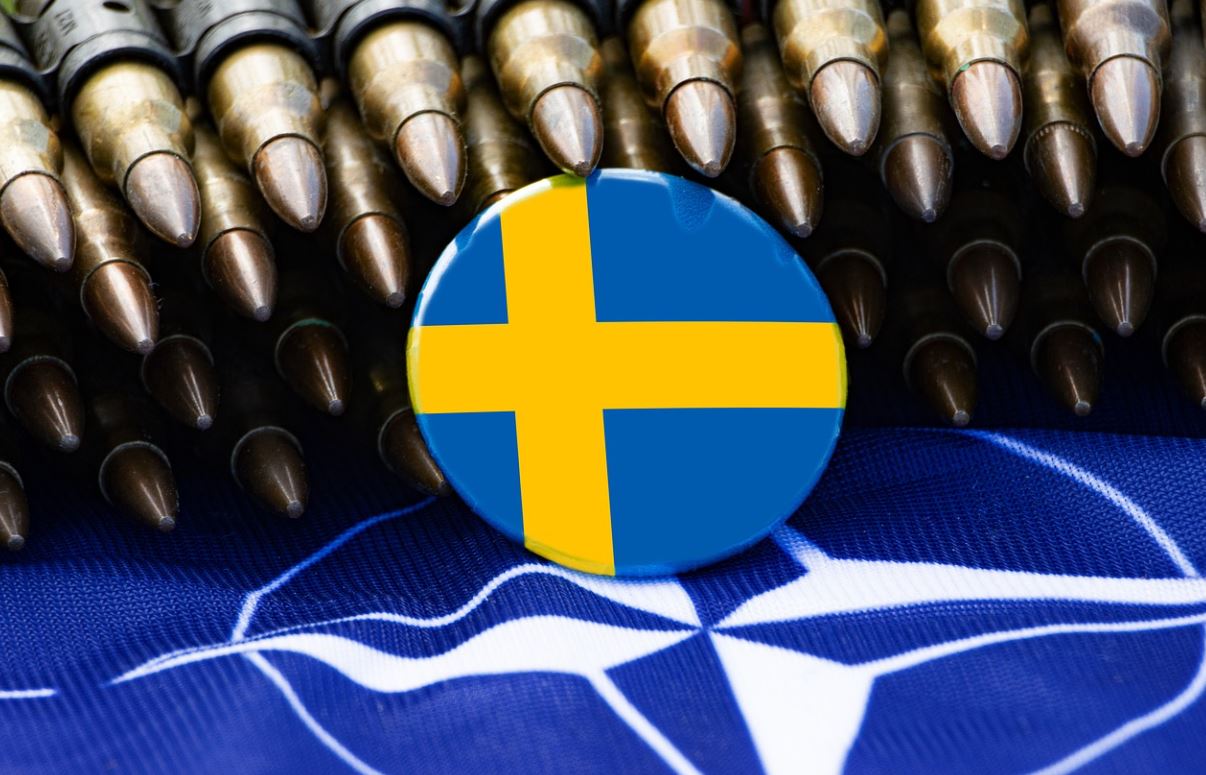
Sweden’s March 2024 NATO accession has fundamentally altered the strategic calculus. Access to alliance procurement standards, intelligence sharing, and joint development programmes accelerates capability modernisation but also introduces dependency on American and broader European supply chains. The Nordic challenge is to leverage NATO membership for market access while preserving the autonomous industrial base that justified the membership premium in the first place.
Conclusion: A New Model for Allied Defence Production
The Nordic defence expansion is not merely a reaction to Russian aggression; it is a proactive attempt to define a sustainable model for medium-power defence industrialisation in an era of great-power competition. The region’s combination of fiscal discipline, technological sophistication, and cross-border integration offers a compelling alternative to both American defence conglomeration and fragmented European national programmes.
For investors, the Nordic defence sector presents a differentiated risk-return profile: lower volatility than American primes due to state-backed order pipelines, but with significant currency and geopolitical exposure. For policymakers, the Nordic model demonstrates that rapid rearmament need not sacrifice industrial strategy or fiscal sustainability. For corporate strategists, the region’s emphasis on niche specialisation, dual-use technology, and cross-border partnerships offers actionable lessons for defence market positioning.
The critical question is whether this expansion can be sustained beyond the current geopolitical urgency. History suggests that defence spending cycles are politically contingent; the Nordic test is whether industrial integration and technological innovation can create sufficient economic returns to maintain political support when the immediate threat perception recedes. The order backlogs stretching to 2030 suggest that, for now, the momentum is irreversible. What remains uncertain is whether the Nordic Arsenal will become a permanent feature of European security architecture—or merely the most sophisticated response to a transient historical moment.
The Nordic Business Journal provides strategic intelligence for senior decision-makers across the Nordic region and beyond. For subscription and partnership inquiries, contact our editorial team.