Executive summary
A recent Canadian procurement debate — reportedly weighing Sweden’s Saab Gripen E and the U.S. Lockheed Martin F‑35 alongside Saab’s GlobalEye surveillance system — underscores a wider strategic contest: industrial sovereignty, alliance politics, and the economics of twenty‑first century air power. Simultaneously, scrutiny of Denmark’s long-running F‑35 acquisition highlights the political and accounting challenges of large defence programmes in Nordic capitals. For executives, investors and policymakers, the episode is a useful lens on how procurement choices now shape jobs, supply chains and transatlantic influence for years to come.
Canadian negotiations: surveillance, sovereign production and geopolitical diversification
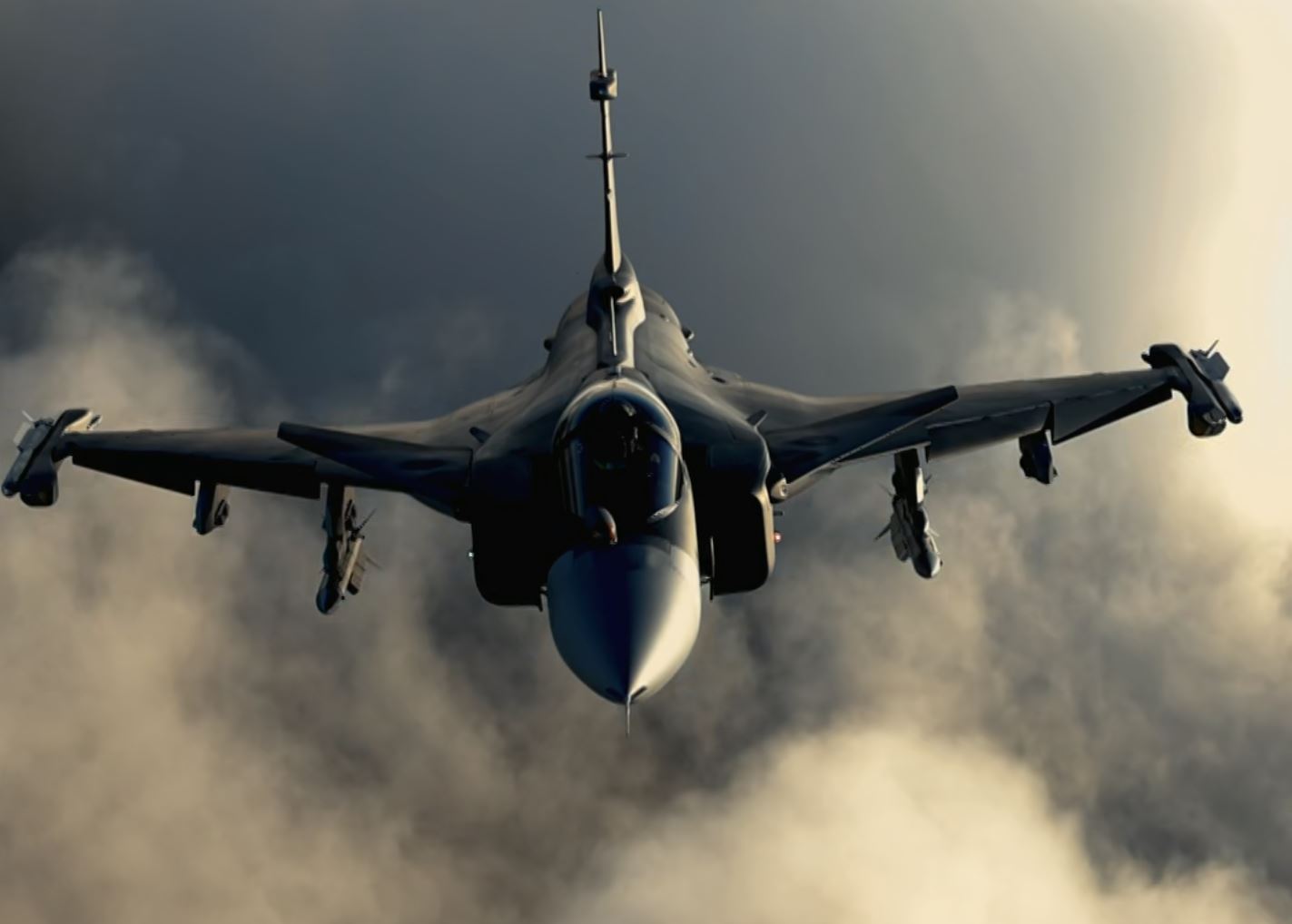
In May, Canadian officials entered talks with Saab over the GlobalEye airborne early warning and control (AEW&C) system and parallel discussions with Lockheed Martin for F‑35 fighters, according to reporting by the Canadian Broadcasting Corporation. Saab has proposed a Canadian production hub that would assemble GlobalEye systems and manufacture up to 72 Gripen E fighter aircraft locally. The company and some industry sources have positioned the plan as a major industrial prize for Canada — with job‑creation figures approaching several thousand positions frequently cited in media briefings.
Why Canada’s choices matter now
Three intersecting pressures are animating Ottawa’s deliberations. First, Canada is investing to replenish and modernise its aging air‑defence and surveillance capabilities — a requirement sharpened by NATO’s emphasis on persistent intelligence, surveillance and reconnaissance (ISR) in a more contested Euro‑Atlantic environment. Second, industrial policy priorities — protecting domestic high‑tech production and creating skilled employment — favour procurement arrangements that bring manufacturing and sustainment work onshore. Third, geopolitical diversification, increasingly in Ottawa’s rhetoric, means balancing traditional reliance on U.S. suppliers with European and allied alternatives to broaden strategic relationships.
Strategic implications of Saab’s Canadian factory proposal
A Canadian production line for GlobalEye and Gripen would be strategically attractive for several reasons. It promises industrial offsets, local supply‑chain development and technology transfers that bolster sovereign maintenance and upgrade capacity. It also gives Saab access to North American labour markets and political capital — potentially converting a procurement contract into a multi‑year export platform, including speculative production to support allied needs such as Ukraine’s air defence.
But the proposal also faces material hurdles. Export controls, intellectual property safeguards, supply‑chain certification and systems integration with North American NATO architecture are complex and time‑consuming. Politically, a Canadian decision to integrate Gripen would require careful management of interoperability concerns with U.S. platforms and sensors central to NATO coalition operations. And the job‑creation numbers publicised by vendors should be treated as contingent — dependent on contract scope, long‑term sustainment work and capital investment approvals.
The wider market and geopolitical context
Saab’s pitch comes against a backdrop of strengthening European defence cooperation and increasing U.S. efforts to retain technology leadership among allies. The F‑35, as a stealth platform with deep U.S. logistical and software ecosystems, remains compelling for countries prioritising long‑term coalition interoperability. Conversely, the Gripen E offers attractive lifecycle costs, flexible basing requirements and a smaller upfront price tag — attributes that appeal to nations seeking a balanced mix of capability and affordability.
For NATO, the choice extends beyond platforms to capability mixes. AEW&C assets like GlobalEye are force multipliers for maritime and Arctic surveillance — priorities for Canada given its geography — and their acquisition by a key member can materially enhance alliance situational awareness.
Denmark’s audit: the politics of price and procurement credibility
Concurrently, the Danish National Audit Office has opened an inquiry into Denmark’s F‑35 procurement process, amid press reports that the decision may have underestimated lifetime costs by a figure cited in the media of roughly 20 billion (reported in Danish kroner). The episode underlines a perennial problem for large defence programmes: initial acquisition estimates frequently diverge from lifecycle costs, and miscalculations can become politically toxic.
Implications for Nordic defence procurement
For Nordic governments and defence industries, the twin stories of Canada and Denmark are instructive. Nordic states must balance:
- Strategic alignment with NATO and, for EU members, the European Defence Industrial Framework.
- Industrial policy aims: retaining sovereign capability versus leveraging multinational industrial cooperation.
- Fiscal discipline and transparency to maintain public and parliamentary support for long‑range procurement.
Saab, a Swedish supplier with deep Nordic roots, stands to gain from any shift by like‑minded countries toward European supply chains. But such gains are contingent on convincing partners that its platforms integrate smoothly with NATO systems and that domestic manufacturing commitments are deliverable at scale.
Risks, opportunities and market consequences
Risks:
- Cost escalation and schedule slippage in complex transfer and local‑manufacturing programmes.
- Political volatility — changing governments can reconsider major contracts.
- Export control and interoperability frictions with U.S. systems, potentially complicating training and sustainment.
Opportunities:
- Strategic diversification for buyers seeking to balance alliance politics against domestic industrial development.
- Long‑term sustainment and upgrade work for local industry if production and MRO (maintenance, repair and overhaul) are anchored domestically.
- Strengthening NATO ISR capacity through acquisitions of AEW&C platforms that have broad coalition utility.
Financial and investment perspective
For investors and defence suppliers, outcomes have predictable winners and losers. A Canadian commitment to Saab and domestic manufacturing would be a material order book and a long‑term revenue stream for European suppliers involved in the workshare. Conversely, Lockheed Martin’s F‑35 programme enjoys entrenched global sales and lifecycle services revenue that can outweigh single‑country losses. For Nordic economies, the balance between securing high‑value industrial work and assuming programmatic risk will be central to future competitiveness.
Why this matters now — and next
The convergence of heightened defence spending among allies, lessons learned from the Ukraine war about persistent ISR and precision effects, and political pressure for domestic-industrial benefits means procurement decisions in 2024–2026 will reverberate through the next decade. They will shape supply chains, influence defence industrial partnerships, and determine where critical sustainment and upgrade work will be performed — affecting jobs, regional economic development and strategic influence.
Conclusion: procurement as geopolitics and industrial strategy
Canada’s reported engagement with Saab and Lockheed Martin is more than a choice between fighter types. It is a live policy debate at the intersection of defence capability, industrial strategy and alliance politics. Denmark’s audit scrutiny is a reminder that transparent, realistic accounting is essential to preserve public trust and intergovernmental cohesion. For executives, investors and policymakers, these cases highlight that procurement is a strategic instrument — and that its design determines not only military readiness but national industrial futures.
Editorial outlook — follow‑up article proposal
A proposed follow‑up: “Arctic ISR and Industrial Sovereignty: How Transatlantic Procurement Choices Will Reshape Nordic and Canadian Defence Ecosystems.” This piece would examine the practicalities of local Gripen and GlobalEye production: supply‑chain mapping, workforce development needs, the regulatory and export‑control hurdles, and scenario modelling of costs and timelines. It would include interviews with defence ministers, programme managers, union leaders and industry executives to assess whether domestic industrial commitments translate into sustainable sovereign capability or exposure to programme risk.
Reader engagement
Nordic Business Journal invites readers — senior executives, investors, policymakers, entrepreneurs and international business leaders — to engage with our editorial team. If you are involved in defence procurement, industrial policy, export controls, or supply‑chain investment and would like to contribute insights or explore partnerships, contact us to arrange briefings, suggest interview subjects or propose data sources for our follow‑up reporting.