Executive summary
The European Commission’s proposed 21st sanctions package marks a significant escalation in the EU’s economic and regulatory pressure on Russia. For the first time the proposal seeks a blanket entry ban on anyone who has served in the Russian armed forces since the 2022 invasion of Ukraine, alongside an expanded crackdown on the financial and logistical networks that enable sanctions evasion — from third‑country banks and oil traders to cryptocurrency platforms and the so‑called “shadow fleet”. The measures also extend export controls on aerospace and dual‑use technologies and freeze the existing energy pricing mechanism through the end of 2026.
For corporate leaders, investors and policymakers, the proposal — which still requires unanimous approval by the 27 member states — presents immediate compliance, reputational and strategic questions. It tightens the rules of engagement for trade, finance and shipping, raises enforcement and geopolitical frictions with third countries, and accelerates the need for robust risk management and scenario planning across energy, transport, fintech and defence‑adjacent sectors.
What the package proposes
Entry ban on Russian military personnel: A sweeping prohibition on entry to the EU for any individual who has served in the Russian armed forces since the 2022 full‑scale invasion. The stated objective is to ensure EU territory is “off limits” to those participating in the war.
Financial and crypto measures: Direct targeting of 20 third‑country banks, oil traders and crypto platforms that facilitate cross‑border payments for Russia, plus an additional 31 Russian banks added to the EU transaction ban list. The measures aim to obstruct industrialised attempts to use decentralized networks, alternative rails and complicit intermediaries to bypass sanctions.
Energy and shipping controls: A freeze on the current energy pricing mechanism for Russian imports through the end of 2026 to prevent windfall gains from global price spikes, coupled with blacklisting of additional maritime tankers that carry Russian oil outside Western price caps.
Military and trade restrictions: New export bans on metals, alloys and specialized drone and jamming systems critical to aerospace and weapons production; an expanded import ban on selected Russian goods (roughly €60 million worth) including, for the first time, products from the fisheries sector.
Strategic rationale and timing
The package seeks to close persistent enforcement gaps that have allowed sanctioned flows to re‑route through third countries, opaque trading entities and digital asset channels. It also responds to recent incidents seen by EU capitals as provocations — for example, airspace breaches and continued maritime evasion — while attempting to further degrade Russia’s industrial base and warfighting capacity without widening the conflict. Freezing the energy pricing mechanism through 2026 signals a desire to insulate the cap from volatility in broader geopolitical theatres that could otherwise be monetized by Moscow.
Why this matters now
Enforcement window: As sanctions proliferate, the marginal value of additional measures diminishes unless enforcement is tighter and transnational cooperation improves. This package attempts to shift from declaratory measures to more targeted interdiction of evasion networks.
Market resilience and volatility: Energy price dynamics remain central to fiscal balances, inflation expectations and corporate planning in Europe. Prolonging the price mechanism affects trading behaviour, storage economics and the viability of sanctioned flows to non‑Western buyers.
Systemic spillovers: Increased pressure on Russia’s ability to transact may accelerate non‑Western financial and logistical integration (with actors such as China, India, Turkey and others), presenting longer‑term strategic shifts in trade corridors and standards.
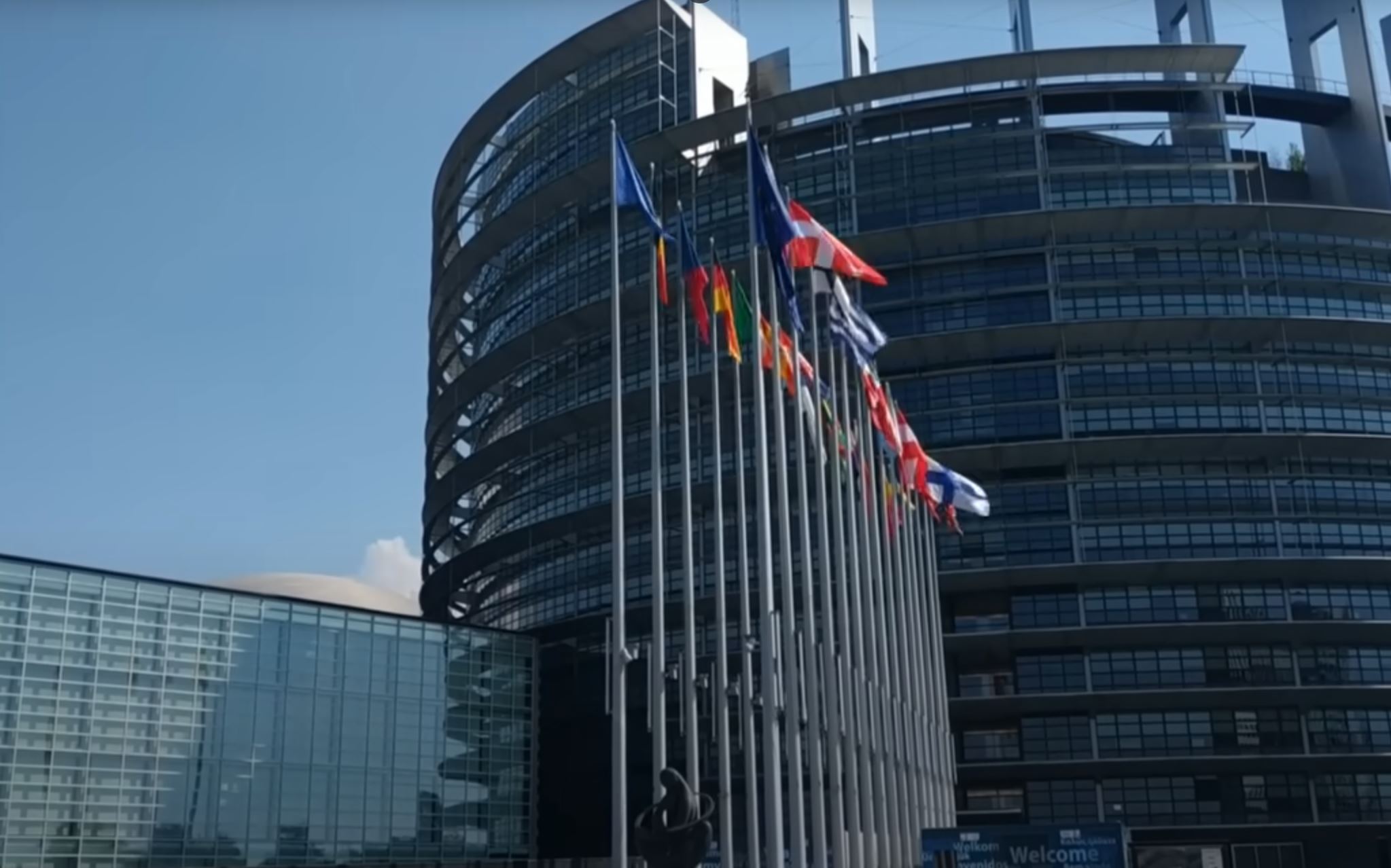
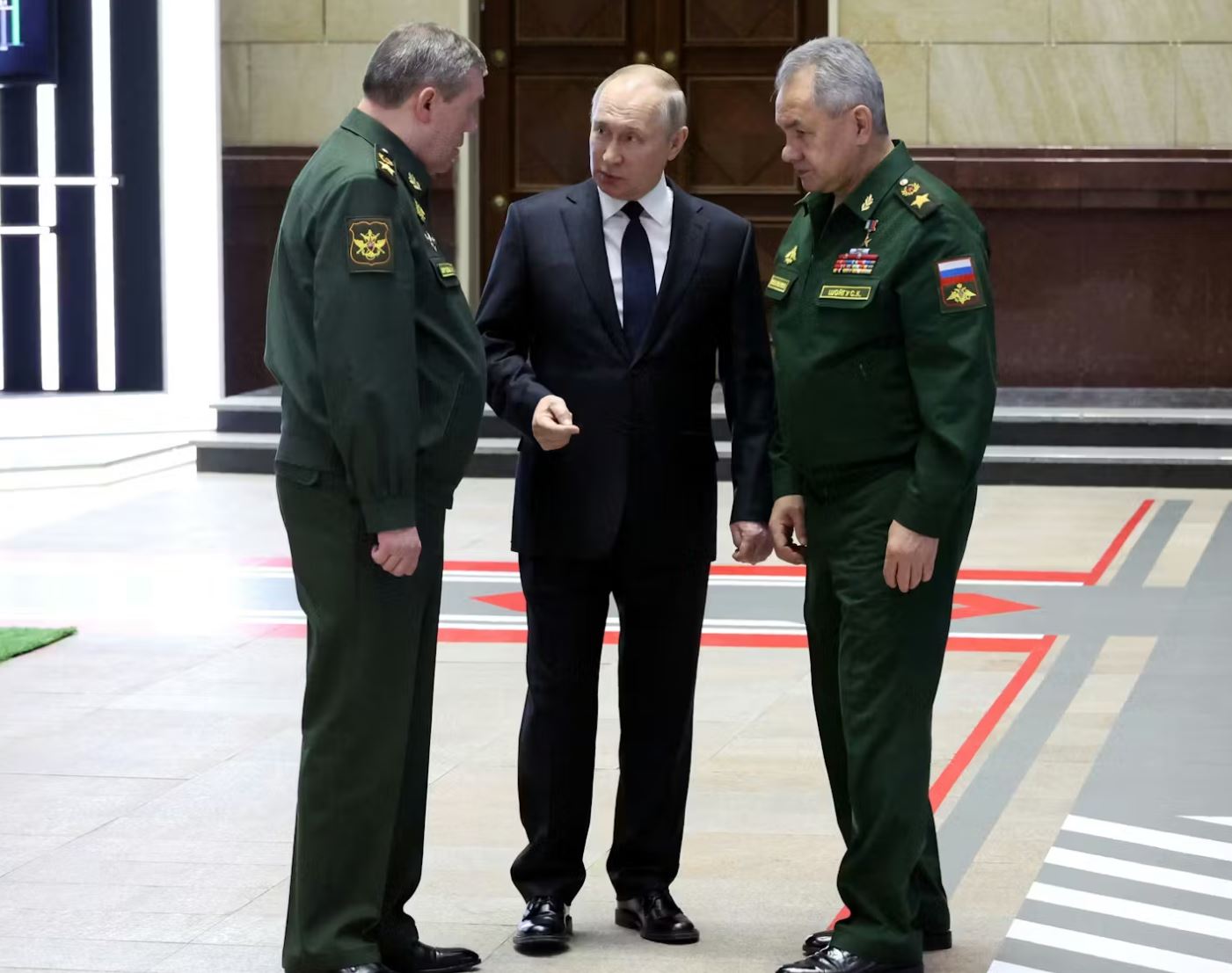
via REUTERS
Enforcement, evasion and the practical hurdles
History shows that sanctions derive much of their potency from enforcement. Key challenges include:
Third‑country complicity and regulatory gaps: Targeting non‑EU banks and platforms requires diplomatic coordination and intelligence sharing. The effectiveness of EU prohibitions depends on partners’ willingness to accept secondary effects on their financial institutions and trade intermediaries.
Shadow fleet and maritime enforcement: Blacklisting individual vessels is a necessary step, but not sufficient. Ship‑owners can change flags, ownership structures or resort to ship‑to‑ship transfers in disputed waters. Insurers, classification societies and port services remain pivotal enforcement levers — requiring cooperation beyond the EU’s formal sanctions remit.
Crypto and decentralised finance: While blockchain analytics have advanced, increasingly private or off‑ramp‑lite cryptocurrency products — and state‑sanctioned digital payment experimentation — complicate interdiction. Private sector compliance in the crypto space is uneven, and regulatory fragmentation persists across jurisdictions.
Legal and political unanimity: The need for unanimous approval among EU member states creates a political bottleneck. Differences in energy dependence, political appetites and domestic lobbying mean implementation timing and scope can be diluted.
Nordic and international implications
Energy and supply chains: Nordic countries are exposed in different ways. Norway, while not an EU member, is integrated with EU energy and maritime markets; the package’s energy and shipping measures will have practical repercussions in Norwegian shipping, insurance and oil service sectors. Nordic technology firms supplying dual‑use components must reassess end‑user checks, given tighter aerospace export controls.
Financial services and fintech: Nordic banks, pension funds and fintech firms will face amplified compliance obligations and elevated due diligence costs, particularly where correspondent banking or crypto custody intersects with sanctioned counterparts.
Maritime services and insurance: Copenhagen and Oslo’s maritime clusters — including classification and insurance services — must adapt to more rigorous vetting and potential liability exposure. The package increases the governance burden on brokers, charterers and insurers handling cargoes with Russian provenance.
Competitive dynamics: Companies that invest early in strong sanctions‑compliance frameworks — including blockchain monitoring, KYC upgrades and supply‑chain traceability — will gain competitive advantage in a more regulated global trade environment.
Risks, opportunities and corporate actions
Risks:
Circumvention and fragmentation: The most credible risk is that restrictive measures push Russia deeper into trade relationships outside Western financial systems, accelerating the fragmentation of global financial rails.
Escalation and retaliation: New sanctions raise tit‑for‑tat risks, including targeted measures against European companies or additional disruptions to energy supplies.
Compliance complexity: For multinational firms, overlapping US, UK and EU measures create an increasingly complicated legal landscape to navigate.
Opportunities:
Compliance as a market differentiator: Firms that proactively strengthen compliance, forensics and sustainable sourcing can position themselves as preferred partners for risk‑averse counterparties.
Alternative energy and supply diversification: The emphasis on freezing pricing mechanisms underscores the need for energy diversification and investment in renewables and storage — an opportunity for Nordic clean‑tech exporters and investors.
Service providers in enforcement: Data analytics, maritime surveillance, and blockchain tracing are growth areas for vendors that can help states and corporates enforce and adapt to sanctions regimes.
Actionable steps for executives and investors
- Conduct scenario planning and stress tests that incorporate prolonged price‑mechanism freezes, targeted asset blacklists and shipping disruptions.
- Upgrade sanctions‑screening, trade compliance and blockchain analytics capabilities; treat sanctions compliance as strategic infrastructure.
- Reassess exposure across the value chain, including third‑party vendor and logistics partners in jurisdictions with weaker enforcement.
- Engage policymakers and industry associations to clarify implementation timelines, share intelligence on evasion vectors, and harmonize compliance expectations.
- Consider reputational risk and stakeholder communications strategies should exposures to sanctioned flows be revealed.
Conclusion: a sharper instrument, not a silver bullet
The 21st package, as proposed, tightens several key levers of coercive economic policy — movement of people, financial access, maritime transport and dual‑use technology flows. Its strategic value lies in closing well‑known loopholes and signalling continued political resolve. Yet the proposal is not a panacea: effectiveness will be determined by third‑country cooperation, enforcement capacity across maritime and financial sectors, and the political will of EU member states to adopt and maintain unanimous measures. For business leaders and investors, the imperative is clear: treat sanctions risk as a strategic, long‑term consideration that reshapes market access, compliance costs and the competitive landscape.
Editorial Outlook
For a future follow‑up: investigate the operational realities of enforcement — a cross‑sector study that tracks how designated vessels and intermediaries are identified, deprived of services (insurance, bunkering, port access), and whether blockchain analytics are materially degrading evasion. Include comparative analysis of how Nordic maritime clusters, insurers and fintech firms are adapting, and whether strengthened EU‑third country cooperation is emerging or stalling. This piece should combine interviews with regulators, shipping executives, insurers and forensic technologists to assess the real‑world impact of sanctions on flows and firm behaviour.
Reader engagement
Nordic Business Journal welcomes dialogue with executives, investors, policymakers and service providers navigating these developments. If your organisation is assessing sanctions exposure, maritime risk, crypto compliance or energy supply strategies, connect with our editorial and research team to contribute data, case studies or request a bespoke briefing. Reach out at editorial@nordicbusinessjournal.com for collaboration, commentary or partnerships.