Executive summary
Ebola remains a sporadic but consequential zoonotic threat: reservoirs in fruit bats periodically seed outbreaks that escalate through human-to-human contact unless contained by rapid medical response. Recent epidemics underscore a simple truth for executives, investors and policymakers: robust healthcare systems are necessary to stop outbreaks, but they cannot prevent the root cause — ecological and socioeconomic drivers that increase human–animal contact. For decision-makers focused on resilience, sustainability and geopolitical risk, the strategic response is a cross-sector One Health approach that blends conservation, community livelihoods, regional manufacturing, diagnostics and digital surveillance. This article explains how spillovers happen, why healthcare alone is insufficient, and where investment and policy can most effectively reduce risk — while highlighting commercial and governance opportunities for Nordic and international stakeholders.
How Ebola jumps from wildlife into people
Ebola is a zoonotic virus. Scientific consensus points to fruit bats (family Pteropodidae) as a primary natural reservoir that maintains the virus in the wild. Spillover to humans typically follows two routes:
- Direct exposure: people entering bat habitats or handling material contaminated by bat saliva, urine or feces can be infected. This can happen in caves, orchards, or places where bats roost.
- Indirect transmission via intermediate hosts: bats often drop partially eaten fruit tainted with virus-laden saliva. Other mammals (chimpanzees, gorillas, monkeys, some antelopes, porcupines) may eat that fruit, fall ill, and then transmit Ebola to humans who hunt, butcher, or handle their carcasses.
Once a human is infected, Ebola spreads person-to-person by direct contact with blood and bodily fluids; respiratory or insect-borne transmission is not the primary route. Mosquitoes and other hematophagous insects do not transmit Ebola — the virus does not survive or replicate in their digestive tracts as malaria parasites do.
Why healthcare, however strong, cannot prevent spillovers
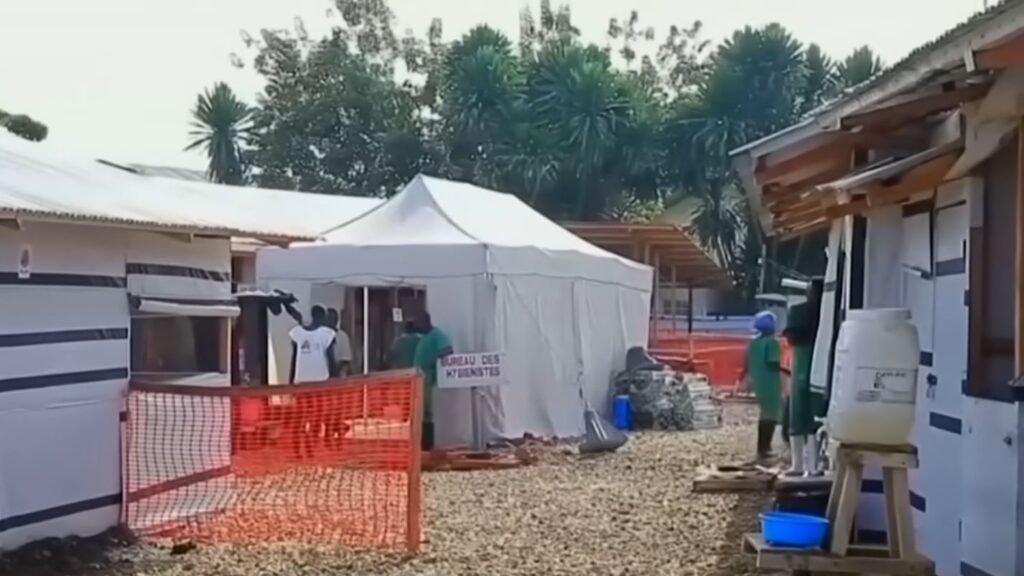
Healthcare systems are indispensable for treating patients and containing outbreaks through diagnostics, isolation, therapeutics, vaccination and contact tracing. But they are fundamentally reactive:
- Hospitals treat infections after spillover has occurred; they do not address upstream drivers.
- Medical systems cannot change ecological conditions that concentrate reservoirs near human settlements.
- Clinical care does not resolve poverty-driven behaviors, such as subsistence hunting for bushmeat, which elevate spillover risk.
In short: without interventions that alter how people and animals interact with landscapes, spillover events will continue — and each represents both a humanitarian and an economic shock.
A One Health strategy: what works at the source
One Health is a transdisciplinary framework that links human health, animal health and ecosystem integrity. For business leaders and policymakers seeking durable prevention, it points to interventions with measurable returns in risk reduction:
- Protect landscapes and reduce habitat fragmentation
Deforestation, mining and agricultural expansion displace wildlife, increase contact zones and concentrate human activity near reservoir species. Corporate land-use planning, sustainable sourcing policies, and public-private financing for conservation are preventive investments. For investors, landscape-scale natural capital approaches can hedge operational and reputational risks tied to supply chains. - Create sustainable livelihood alternatives
Hunger and poverty drive bushmeat consumption. Scalable alternatives — smallholder poultry, aquaculture, agroforestry and market access for sustainable produce — reduce dependence on risky wildlife harvests. Nordic development finance institutions and impact investors have a track record of scaling sustainable food systems that can be adapted to high-risk regions. - Community engagement and risk communication
Local knowledge and trust determine compliance with behavioral guidance (avoiding caves, not handling carcasses, safe butchery practices). Well-designed community education programs that respect livelihoods and culture are cost-effective and politically feasible. - Surveillance at the human–animal–environment interface
Wildlife monitoring (trained ranger networks), environmental sampling, and genomic surveillance can detect unusual die-offs or viral signals before human cases appear. Integrating environmental data (e.g., satellite deforestation alerts) with epidemiological models allows early warning and targeted interventions. - Strengthen regional public health and manufacturing capacity
When spillovers occur, time matters. Investments in regional diagnostic labs, cold-chain logistics, and vaccine manufacturing reduce reliance on distant suppliers and geopolitically fraught supply lines. The African Union’s push to expand vaccine production capacity, supported by international partners, is a strategic development that lowers long-term epidemic risk.
Why this matters now: converging risk factors
The frequency and impact of zoonotic spillovers are rising for several intersecting reasons:
- Accelerating land-use change and extractive projects across parts of Africa and Southeast Asia.
- Climate-driven shifts in animal habitats and migration patterns.
- Rapid urbanization and expanding rural markets that intensify human–animal interfaces.
- Global connectivity — a localized spillover can swiftly transmit economic damage through travel, trade and investor confidence.
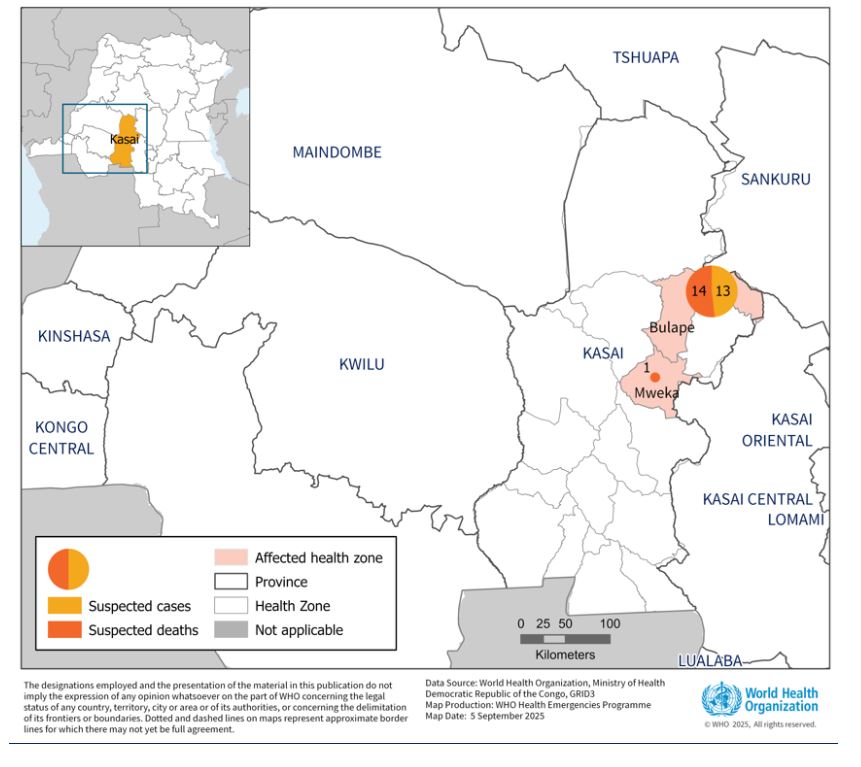
Recent outbreaks, including the 2014–16 West Africa epidemic and recurring episodes in the Democratic Republic of Congo and Uganda, demonstrate that preventing spillovers is not an abstract health objective but a strategic imperative for global stability and commerce.
Business, investment and policy implications
For senior executives, investors and policymakers, the One Health agenda translates into concrete priorities:
- Risk management and supply chains: Corporations should integrate zoonotic spillover risk into supply‑chain due diligence, deforestation-free commitments, and site selection for new operations. Natural capital assessments and commodity traceability are practical tools.
- Investment opportunities: Impact and development finance can scale sustainable protein production (poultry, aquaculture), land restoration projects, and community-based surveillance networks. There is also commercial potential in diagnostics, decentralized laboratory platforms, cold-chain logistics and local vaccine manufacturing.
- Public-private partnerships: Governments and multilateral agencies will increasingly seek private partners to fund conservation, rural development and regional manufacturing. Nordic funds, insurers and technology firms can play catalytic roles, aligning ESG goals with de-risking investments.
- Regulatory and diplomatic action: Donors and host governments should prioritize funding for One Health programs, harmonize wildlife and health regulations, and support workforce development (veterinary, ecological and public health professionals).
Innovation frontiers: digital, genomic and market-based tools
Technology is expanding what prevention looks like:
- Genomic sequencing and portable labs accelerate outbreak characterization and tailor vaccine/therapeutic response.
- Big data and satellite monitoring can flag environmental changes that presage increased spillover risk.
- Mobile health platforms can deliver community education and rapid reporting tools.
- Market instruments — payments for ecosystem services and biodiversity offsets — can create valuation mechanisms for conservation that align investor incentives with risk reduction.
Nordic perspective and comparative advantage
Nordic countries bring strengths relevant to a One Health response: environmental stewardship, advanced digital health ecosystems, development finance institutions experienced with blended finance, and a strong research base in zoonoses and ecology. Nordic investors and firms can partner with African and Asian governments to pilot scalable models that couple livelihood improvements with surveillance and landscape protection. For Nordics, engagement is both a moral and strategic investment: reducing global health risk protects trade, travel and economic stability that Nordic economies depend on.
Risks and governance challenges
Implementing One Health at scale faces obstacles:
- Misaligned incentives: short-term economic gains from resource extraction often trump long-term risk mitigation.
- Community mistrust: top-down interventions can backfire without genuine local participation.
- Governance gaps and financing shortfalls: sustained funding for surveillance and conservation is scarce and fragmented.
- Biosecurity concerns: enhanced surveillance and genomic work require careful governance to avoid dual-use risks and protect data sovereignty.
Conclusion — a strategic prescription
Ebola outbreaks will recur while humans continue to encroach on reservoir habitats. For leaders in business, finance and government, the strategic choice is clear: invest earlier, upstream and across sectors. Practical steps include aligning corporate sourcing with landscape protection, financing livelihood transitions that reduce bushmeat dependence, backing regional diagnostic and vaccine capacity, and deploying digital and genomic surveillance where it yields the highest early-warning value.
A One Health approach is not philanthropy alone; it is a risk-management and value-creation framework that reduces the probability of disruptive epidemics — safeguarding people, preserving markets and protecting balance sheets. For those focused on resilient growth in an uncertain world, integrating ecology, livelihoods and health is both prudent policy and sound business strategy.