Executive Introduction
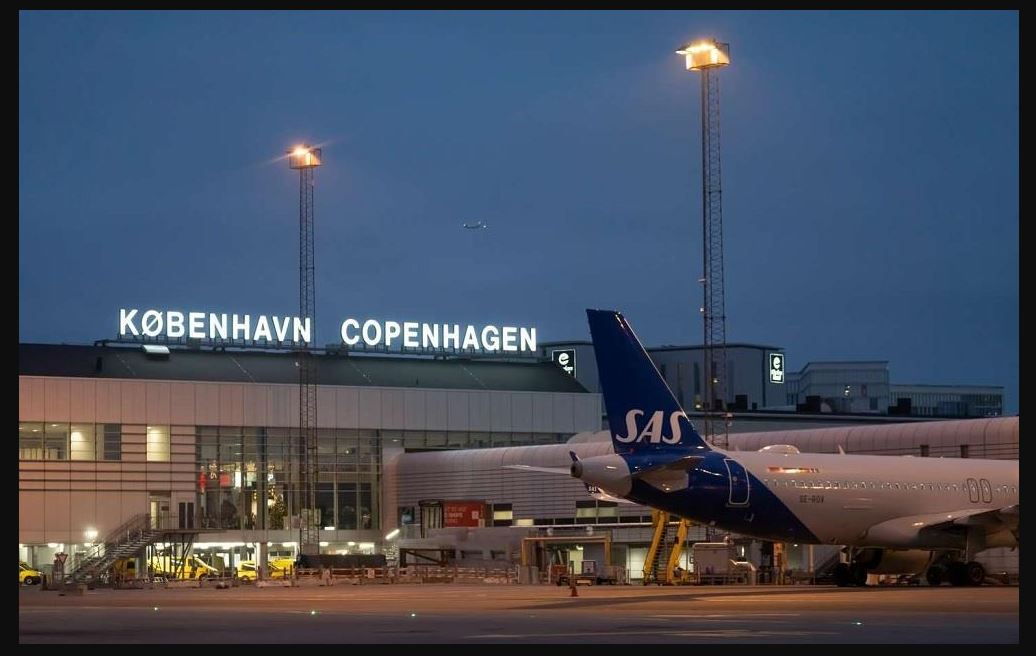
A decade ago, Stockholm Arlanda and Copenhagen Kastrup competed neck-and-neck for Nordic air dominance. Today, the contest is over. Copenhagen Airport (CPH) is consolidating its position as Northern Europe’s primary intercontinental gateway, while Stockholm Arlanda (ARN) has been relegated to a regional feeder role. The catalyst: SAS’s post-restructuring realignment, which has shifted the carrier’s strategic centre of gravity south to Denmark. For executives, investors, and policymakers across the Nordics, the divergence is more than an aviation story — it is a case study in how network economics, alliance politics, and infrastructure policy reshape regional competitiveness.
The Analogy That Captures a Decade of Divergence
Picture a Danish commuter accelerating through traffic on an e-bike, while a Swede pedals a heavy 1987 Crescent — a beloved but outdated national icon. That image now defines Nordic aviation. Copenhagen is moving with capital-backed momentum: new gates, digitized passenger flows, and a SkyTeam-aligned hub strategy. Stockholm is expending effort, yet its legacy model and policy constraints leave it struggling to match CPH’s speed and scale.
1. SAS’s Strategic Pivot: From Dual Hub to Copenhagen Primacy
The structural shift began in 2024 when SAS exited Star Alliance and joined SkyTeam following its Chapter 11 restructuring and the entry of Air France-KLM as a cornerstone investor. The commercial logic was explicit: concentrate long-haul operations where partner connectivity, geography, and unit costs align.
Key moves since the transition:
| Dimension | Copenhagen Airport (CPH) | Stockholm Arlanda (ARN) |
| SAS Hub Role | Primary global gateway; SkyTeam coordination point | Secondary hub; domestic + short-haul focus |
| Capacity Trend | +20–40% seat growth on key long-haul routes, 2024–2026 | Flat to negative intercontinental capacity; route transfers to CPH |
| Network Function | High-yield transfer flows to Asia, North America, Middle East | Point-to-point European and domestic; feeds CPH |
| Infrastructure Posture | Terminal 3 expansion, biometric flows, 2030 carbon-neutral plan | Delayed Terminal 5 upgrades; capacity constrained at peak hours |
The result is measurable. In Q1 2026, CPH handled 1.9 million transfer passengers, up 50% year-on-year, according to Flygtorget data. More than one in four passengers at Kastrup is now connecting, not originating. Arlanda, by contrast, saw transfer share fall below 12%, as Swedish travelers increasingly “fly south first” to reach global destinations.
2. Geography, Alliances, and the Economics of Hubbing
Three structural factors explain why Copenhagen’s advantage is compounding:
Geographic Leverage: CPH sits 40 minutes closer to central Europe by air than ARN. For SkyTeam partners Air France-KLM and Delta, that translates into shorter minimum connecting times and lower fuel burn for Europe-Asia and Europe-North America itineraries.
Alliance Gravity: SkyTeam’s European architecture now runs through Paris, Amsterdam, and Copenhagen. Star Alliance’s Nordic anchor has effectively migrated to Helsinki and Oslo, leaving ARN without a dominant alliance feed.
Policy and Cost Base: Denmark’s aviation policy has prioritized airport commercialization and route development funds. Sweden’s aviation tax, night-flight restrictions, and protracted environmental permitting at Arlanda have raised airline costs and slowed infrastructure delivery.
3. The Passenger Data: A Gap Becoming a Gulf
April 2026 underscored the divergence. CPH processed 2.8 million passengers, a monthly record. ARN handled 2.0 million — a 40% gap that continues to widen. More telling is yield: CPH’s intercontinental average fare premium is 18% higher than ARN’s, reflecting its long-haul, business-heavy traffic mix.
For the Nordic economy, the implications extend beyond airlines. Hubs drive headquarters decisions, convention traffic, and high-value service exports. Copenhagen’s ascent is reinforcing Denmark’s position in pharma, tech, and finance, where one-day connectivity to Boston, Seoul, and Dubai matters. Stockholm risks losing agglomeration benefits as its global access thins.
4. Risks and Opportunities for Nordic Stakeholders
Risks
Swedish Competitiveness: Export industries in life sciences and engineering face longer travel times and fewer direct connections, eroding productivity.
Tourism Asymmetry: Inbound long-haul tourism is skewing toward Denmark. Sweden’s visitor economy must now compete without a non-stop gateway advantage.
Single-Hub Exposure: The Nordics’ growing reliance on CPH creates systemic risk if capacity, labour, or geopolitics disrupt Danish operations.
Opportunities
Arlanda’s Reinvention: With Swedavia’s new mandate, ARN can pivot to a sustainable, point-to-point “green gateway,” leveraging Sweden’s SAF production and electric-aviation pilots to differentiate.
Secondary City Growth: Gothenburg Landvetter and Oslo Gardermoen are absorbing spillover narrowbody traffic, opening niches for low-cost and regional carriers.
Investor Plays: Infrastructure funds are targeting CPH’s ancillary services — cargo, airport city real estate, hydrogen hubs — where transfer growth drives non-aeronautical revenue.
5. Why This Matters Now
Three converging trends make 2026 an inflection point:
Sustainability Regulation: The EU’s ReFuelEU mandate and ETS costs penalize inefficient routings. One-stop via CPH beats two-stop via ARN on emissions and cost, accelerating corporate travel policy shifts.
Digital Border Transformation: CPH’s rollout of EU Entry/Exit System biometric corridors in 2025 cut minimum connect times to 35 minutes. ARN’s deployment lags by 12–18 months.
Geopolitical Routing: With Russian airspace closed, great-circle routes from Asia to Europe favour southern Nordic entry points, further benefiting Denmark.
Strategic Outlook: Two Nordics, Two Trajectories
Barring a major policy reversal or alliance shake-up, Copenhagen’s lead will compound through 2030. CPH’s master plan targets 40 million annual passengers and carbon-neutral operations by decade’s end, backed by private capital and state alignment.
For Stockholm, the strategic imperative is clarity: compete as a full-service hub, or reposition as Europe’s most efficient, sustainable point-to-point airport. The middle ground — trying to retain legacy long-haul without alliance feed — is eroding value.
Conclusion: The Hub is the Message
Airports are no longer passive infrastructure; they are strategic platforms that signal where a region intends to compete. Copenhagen’s e-bike is not just faster — it is wired into the global operating system of SkyTeam, digital border tech, and green finance. Stockholm’s 1987 Crescent remains iconic, but icons don’t board flights.
For Nordic executives, the lesson is stark: network power accrues to those who align capital, policy, and alliances. The aviation map of Northern Europe has been redrawn, and the new capital is unmistakably Copenhagen.